 Jan Richter
Launch day is dead. I used to defend it: a new game, friends online, no spoilers, the full experience on night one. 2025 and 2026 talked me out of that habit. Too many big releases are expensive betas when they go live. They only become the game they were sold as after three or four patches. Pay full price on day one, and you are often paying to find the bugs everyone else later gets for free. That is my argument. I will back it with Steam figures and official studio statements, and I will end with a straight answer to when a day-one purchase still makes sense.
Launch day is dead — the cautionary tales
If anyone claims this is a new problem, they have missed the two biggest cautionary tales in modern gaming.
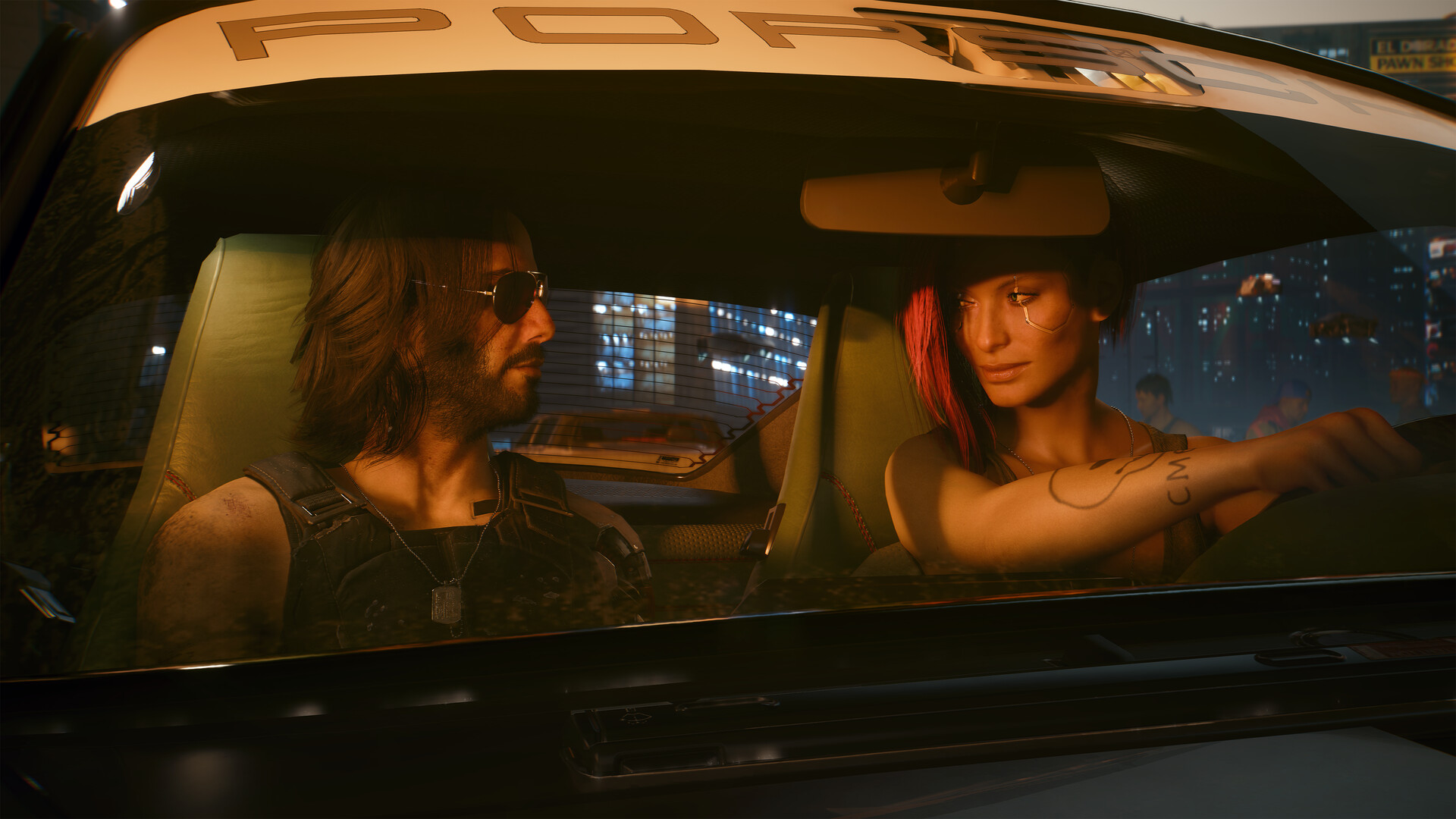
Cyberpunk 2077 launched on 9 December 2020. It was one of the most pre-ordered games of its era, and the PlayStation launch still went so badly that Sony temporarily pulled it from the PlayStation Store on 18 December 2020. CD PROJEKT RED confirmed that publicly and pointed players toward refunds. The PC version was in better shape, but it was still not a clean launch.
Then came years of repair work. The free Update 2.0 on 21 September 2023 substantially rebuilt combat, progression, and the police system. As of mid-November 2026, Cyberpunk 2077 sits at 89 percent positive in English reviews on its Steam page, with 94 percent of reviews from the past 30 days coming in positive. One of the industry's most infamous launches has become one of its clearest rehabilitation stories. That does not change the basic fact: anyone who paid full price in 2020 received the broken version first.
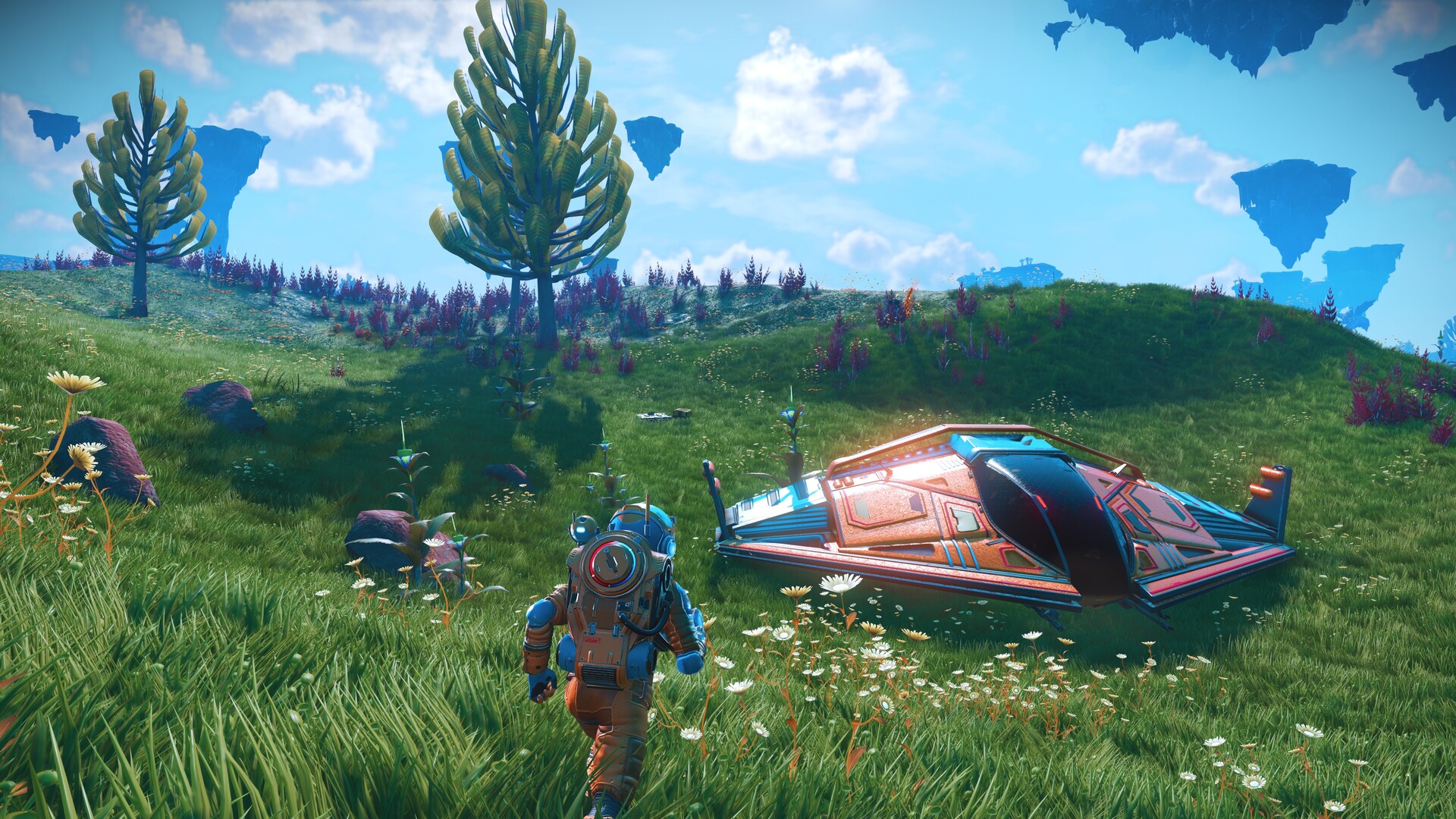
No Man's Sky is the extreme case. Hello Games released it on 12 August 2016, and the Steam rating plunged into Overwhelmingly Negative. Even in today's official Steam review history, only about 47 percent of reviews from the launch month are positive, and just 31 percent of those from September 2016. What followed was a decade of free updates. As of mid-November 2026, the game stands at 82 percent positive in English reviews on its Steam page, with 91 percent of reviews from the past 30 days coming in positive. The comeback was real. It just took a very long time.
The lesson from both games is an uncomfortable one: studios can rescue a release. The players who bought on day one are the ones who paid for that rescue.
Cities: Skylines 2 — three years before the city actually ran
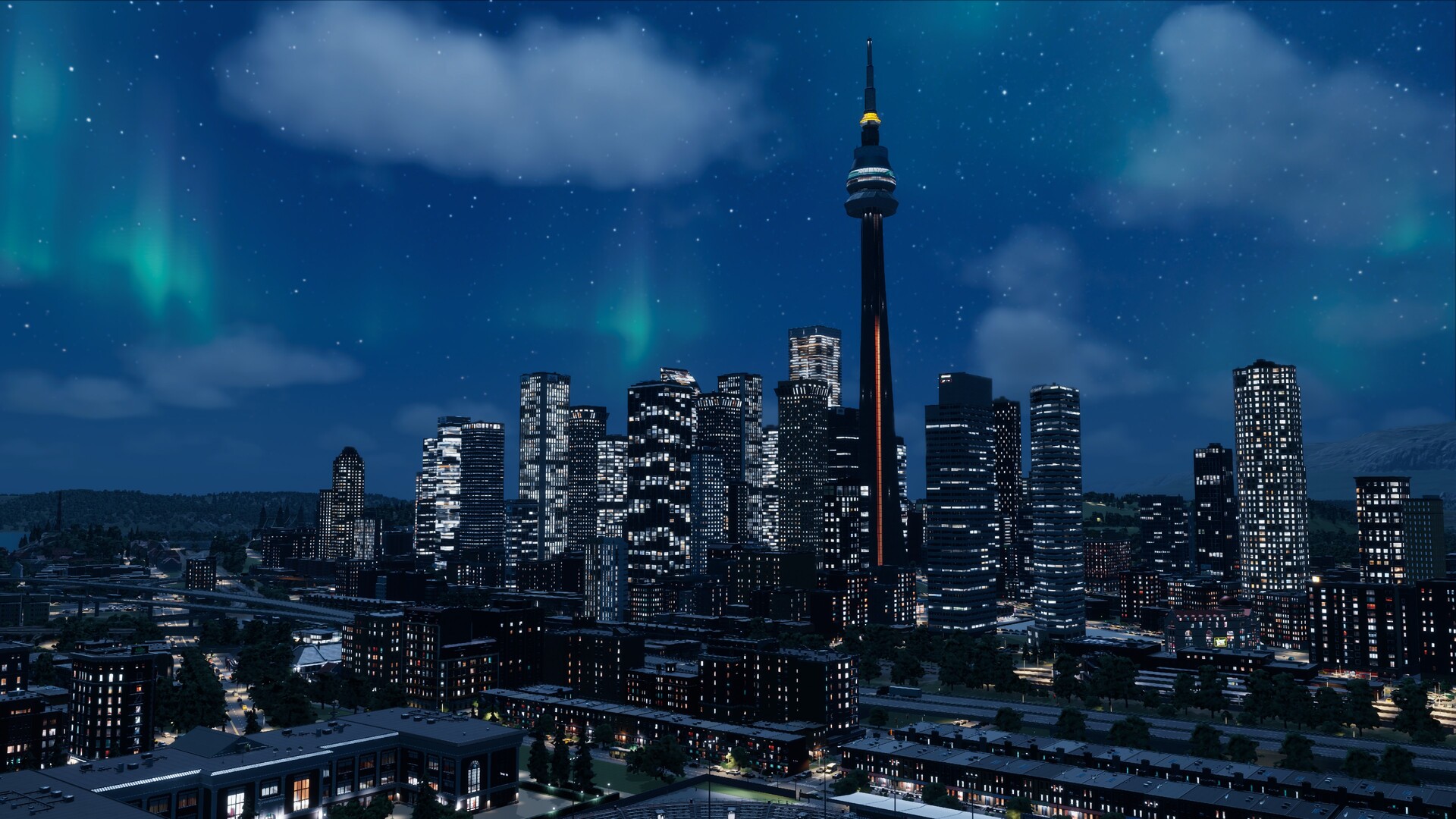
Cities: Skylines II launched on 24 October 2023. Official Steam review history puts the first month at about 55 percent positive, from nearly 20,000 reviews. That is Mixed, and it got worse before it got better: in March 2024, only 28 percent of new reviews were positive. The complaints were mostly about performance, even on high-end PCs.
On 17 November 2025, Paradox Interactive and Colossal Order announced they would go their separate ways. Development of Cities: Skylines II moved to Iceflake Studios, an internal Paradox studio, from the start of 2026. Sentiment turned in the months that followed: from January to August 2026, monthly Steam reviews usually landed between 64 and 76 percent positive. As of mid-November 2026, 73 percent of reviews from the past 30 days are positive on the Steam page. The all-time English score is still Mixed, at 58 percent. Anyone who paid full price in 2023 waited three years for a version that finally feels worth it.
Monster Hunter Wilds — the hunt began, the PC stuttered
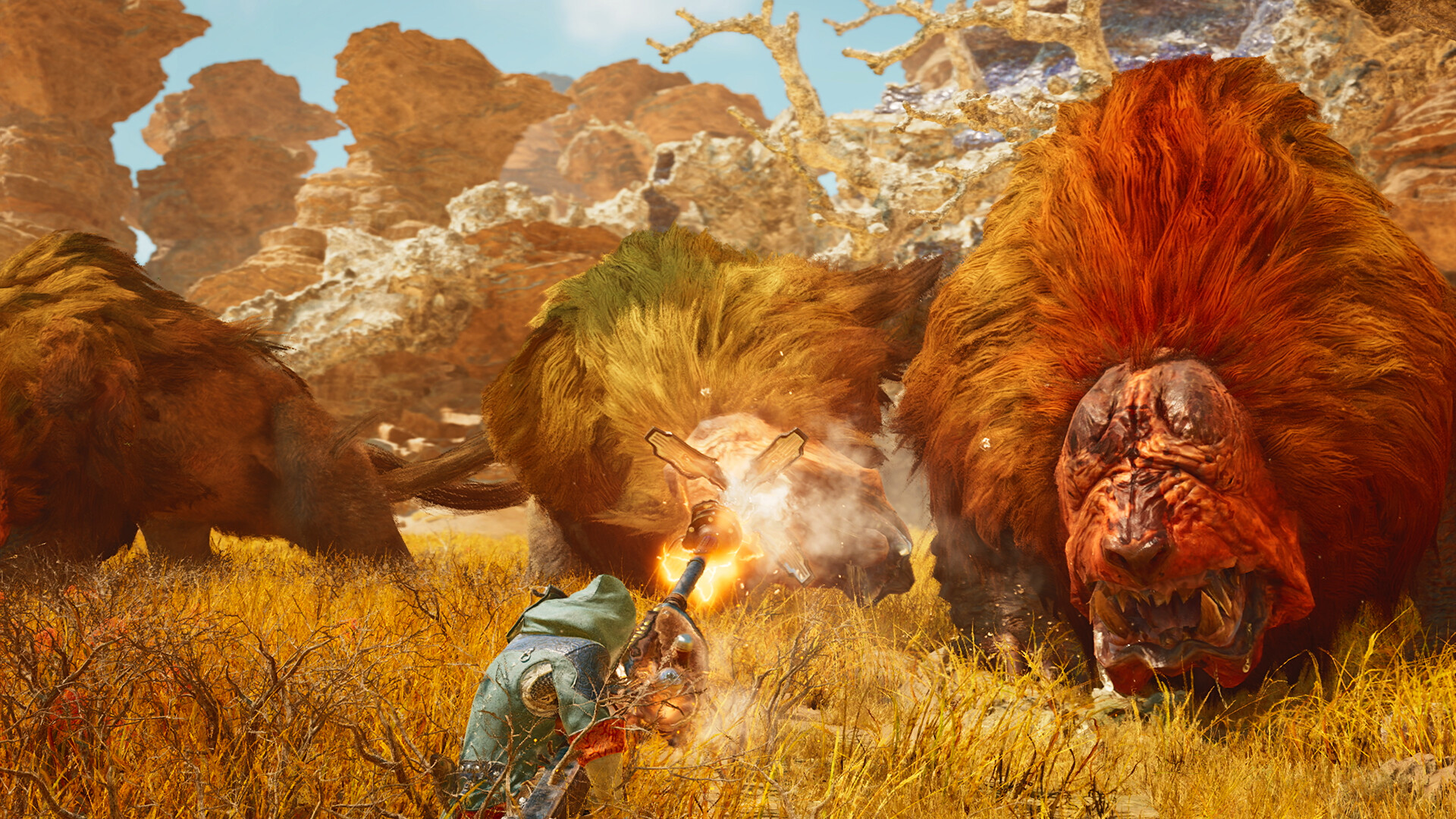
With Monster Hunter Wilds, the pattern became a mass-market story. The Capcom game launched on 27 February 2025 and immediately ranked among the biggest Steam launches of the year. In the first week, about 59 percent of Steam reviews were positive, firmly in Mixed territory. A large share of the negative reviews focused on frame rates, stutter, and crashes.
Capcom later acknowledged the problem. Title Update 4 on 16 December 2025 brought CPU and GPU optimizations across all platforms. A Steam-only patch followed in late January 2026, adding new options to reduce system load. The roadmap is laid out in Capcom's official performance update. Weekly Steam reviews rose quickly afterwards: the last weeks of January landed at 72 and 74 percent positive, and later months often stayed above 70 percent.
As of mid-November 2026, English reviews on the Steam page sit at 71 percent positive, with 76 percent of reviews from the past 30 days coming in positive. Across all languages, though, the lifetime score remains Mixed, at around 53 percent. The turnaround is real, but it is incomplete — and it arrived after roughly a year. Anyone who paid full price on launch day bought a great hunting game that often did not run the way it should have on PC.
Borderlands 4 — more frames, the same Mixed score
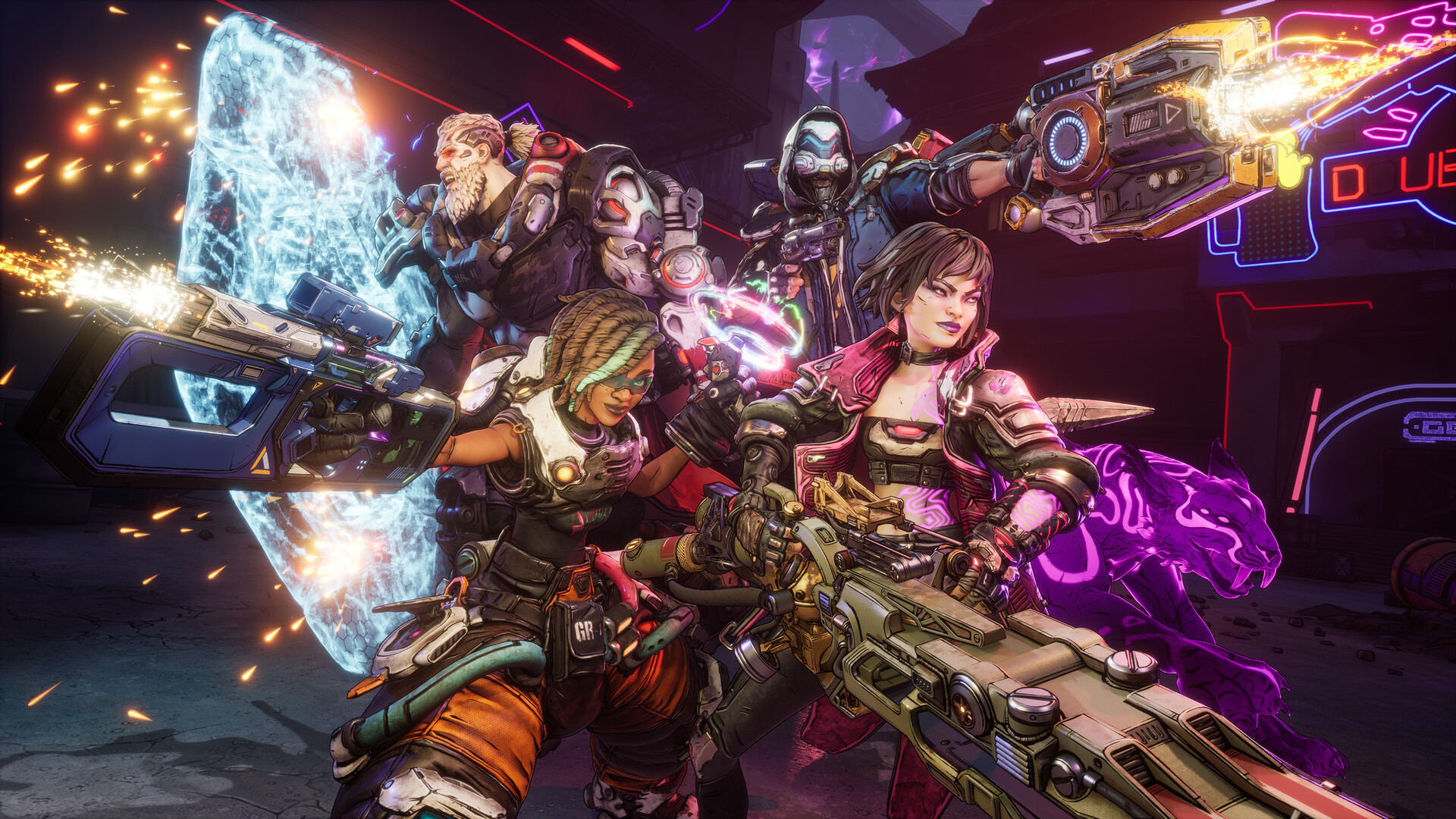
Borderlands 4 launched on 11 September 2025. In its first week on Steam, about 63 percent of reviews were positive, which is also Mixed. Complaints about PC performance were widespread, including from people on strong hardware.
Here is the important difference from Cyberpunk: the technical side has clearly improved, but the review score did not turn into a comeback. In an official status update, Gearbox Software said average FPS was about 20 percent higher by the 26 March 2026 patch than it had been at launch. Crash rates also fell: from 0.63 percent of all sessions in December 2025 to 0.38 percent, and from 17 percent of players hitting at least one crash to 9.35 percent.
Even so, as of mid-November 2026 Borderlands 4 sits at 60 percent positive in English reviews on its Steam page, with only 49 percent of reviews from the past 30 days coming in positive. Both of those scores are Mixed. Performance patches alone will not save a game if price, extra content, or the feel of the game itself is what players are angry about.
When a day-one purchase actually makes sense
I am not against excitement. I am against the reflex of paying full price on day one, every time. Precisely because launch day is dead, I want a clear, practical rule of thumb:
| Situation | Buy day one? | My advice |
|---|---|---|
| You want to play with friends at launch | Lean yes | A shared launch has a shelf life. Just leave room in the calendar for patches. |
| The game is already in a subscription you pay for | Yes | With no full-price risk, you can test whether the game actually runs on your hardware. |
| A full-price single-player game with shaky performance | Wait | The story is not going anywhere. The first major patches often arrive within a few weeks. |
| Benchmarks and the system requirements fit your PC | Proceed with caution | The Steam refund window (two hours within 14 days) is a safety net, not a license to ignore the risk. |
| The studio has just come off a messy launch | Wait | Patterns like this rarely show up as a coincidence. |
In short: day one is worth it when playing together is the whole point — or when you are not the one carrying the financial risk. In most other cases, waiting is the smarter way to pay full price.
Our take
Launch day is dead, at least as a reliable promise of quality. That does not mean every game ships broken. It means that, in recent years, day one has too often been the most expensive beta test you can buy.
It also does not mean waiting is always rewarded. Starfield launched in September 2023 with about 75 percent positive Steam reviews in its first month. As of mid-November 2026, English reviews on its Steam page sit at 57 percent, and reviews from the past 30 days are also at 57 percent. Patches did not produce a Cyberpunk-style comeback here. Sometimes the problem is not the technical state of the game. Sometimes it is the idea.
So my conclusion is a sober one: buy on day one if you want to play with other people right now, or if the game is already in a subscription you pay for. Check first whether your hardware can actually run it. In every other case, you can wait without missing something you cannot come back to later. And if studios really do repair their games after launch, they should. Just stop using my day-one money as the test budget.