Felix Wagner
Cloud gaming was supposed to kill the console, VR was going to take over the living room, NFTs would finally give players true ownership, live-service games would run forever and AI would reinvent how games get made. So I took a hard look at what is actually left of those big gaming promises in November 2026. My take: none of them changed the industry the way we were told. The ones that survived did so by getting smaller, shrinking from revolution to useful add-on. And honestly, for us players, that is mostly good news.
To keep this from being a gut-feeling piece, everything below is backed by official announcements, earnings reports and surveys, each with a date. Where there are no official numbers, I say so. At the end you will find my scorecard as a table, plus some practical advice on what this means for your next purchase.
Cloud gaming: from console killer to hourly allowance
No gaming promise failed as spectacularly, and then quietly kept going, quite like cloud gaming. Google launched Stadia in late 2019 with plenty of hype. On September 29, 2022, the company announced its end in an official blog post, admitting Stadia "hasn't gained the traction with users that we expected." Players could keep going until January 18, 2023, and Google refunded hardware bought through the Google Store as well as games and add-ons from the Stadia store.
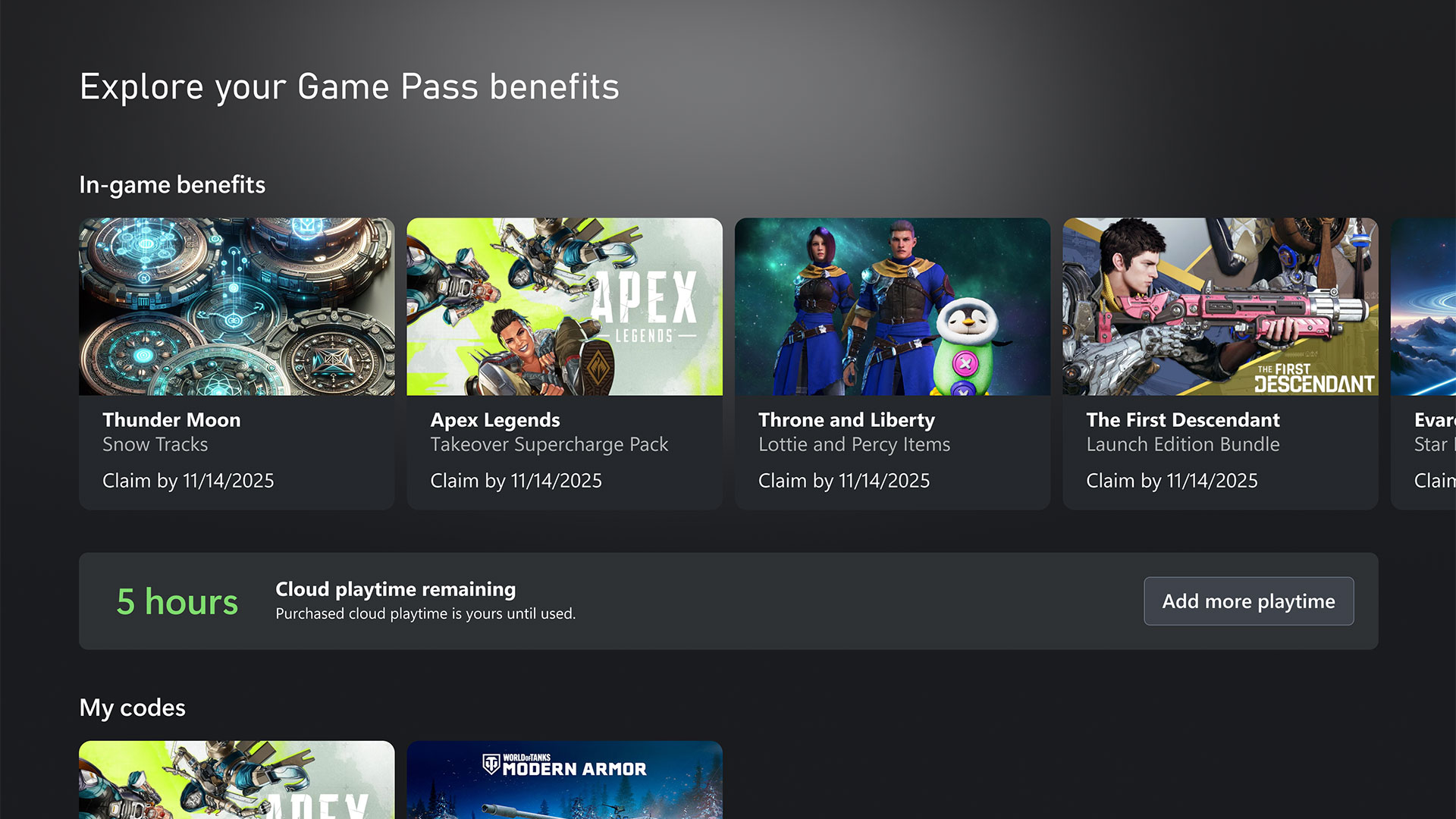
Cloud gaming did not die, though. It just lowered its ambitions. On September 3, 2026, Microsoft announced on Xbox Wire that starting in November, Game Pass plans come with a fixed number of cloud hours per month: 15 for Ultimate, 10 for Premium and 5 for Essential. Microsoft says the change affects about 4 percent of subscribers and is upfront about the reason: the cost of running the service grows with every extra hour people play. Need more? You can buy extra time, with 10 hours going for $3.99 in the US according to the Xbox Store. Since November 11, 2026, Microsoft has also been rolling out a free, ad-supported option with sessions of roughly 30 minutes.
Nvidia tells a similar story. GeForce NOW started rolling out RTX 5080-class servers in September 2025, streaming at up to 5K and 120 frames per second, according to Nvidia. At the same time, the official FAQ confirms a 100-hour monthly cap for Performance and Ultimate members since January 2026. Technically, cloud gaming has never been better. Commercially, it has become something you pay for by the hour.
The way I see it, cloud gaming survived precisely because nobody claims anymore that it will replace your console. It has become a backup option, a way to try games and something to play on the go. That is less than what was promised, but a lot more than what was left of Stadia.
VR: brilliant tech, broken business
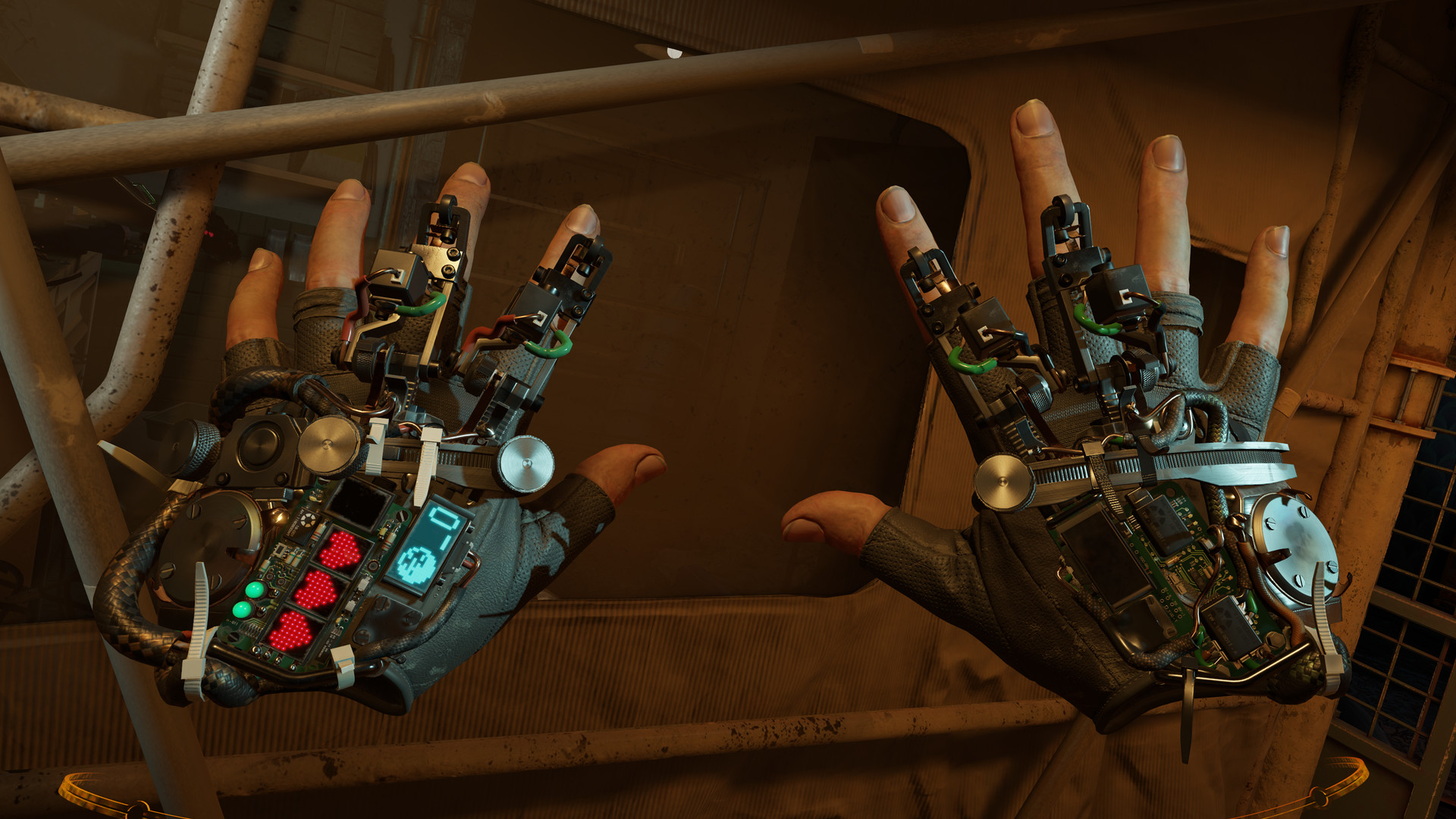
VR is the one that hurts the most, because the games are often genuinely great. Half-Life: Alyx is still one of the best reasons I can think of to own a headset. The problem is that a handful of standout games never turned into a mass market.
PlayStation VR2 launched in February 2023 at €599.99. Since March 2025, its recommended retail price has been $399.99 or €449.99, according to the PlayStation Blog. Sony has not published regular sales figures since launch. When I checked on November 16, 2026, the headset's product page on the US PlayStation Direct store only returned an error, while the German product page was still live. Sony has not commented, so an end of production is not confirmed.
Meta's numbers are even starker. According to its Q3 2026 earnings report, Reality Labs, the division behind the Quest headsets, posted an operating loss of $4.129 billion in the third quarter of 2026 on just $443 million in revenue. Meta expects a loss of $18 to 19 billion for the full year and around $15 billion in 2027 as it shifts investment primarily toward AI. If you own a Quest, like the Meta Quest 3 or the cheaper Meta Quest 3S, you are holding a heavily subsidized device.
There is one bright spot: in the October 2026 Steam Hardware Survey, Valve's new Steam Frame headset already accounts for 5.49 percent of VR users, up from 0.55 percent in September. So VR lives on, but as a hobby for a small, very passionate crowd, mostly on PC. The promise of a mass medium never came true.
NFTs and the metaverse: the promise that died fastest
With NFTs, there is not much to weigh up. In December 2021, Ubisoft launched its Quartz platform with so-called Digits, numbered in-game items sold as NFTs, starting with Ghost Recon Breakpoint. The pitch: players would finally "own" their items. According to Ubisoft's own Quartz page, the last Digit for Breakpoint dropped on March 17, 2022, and in early April 2022 Ubisoft announced that the game would get no new content at all. That supposed ownership was tied to a game that was no longer being developed.
It went even faster at GSC Game World. The studio announced NFT plans for S.T.A.L.K.E.R. 2 in December 2021 and scrapped them just one day later after a fierce fan backlash. Its message at the time, in short: it had heard the feedback, and the interests of its fans came first.
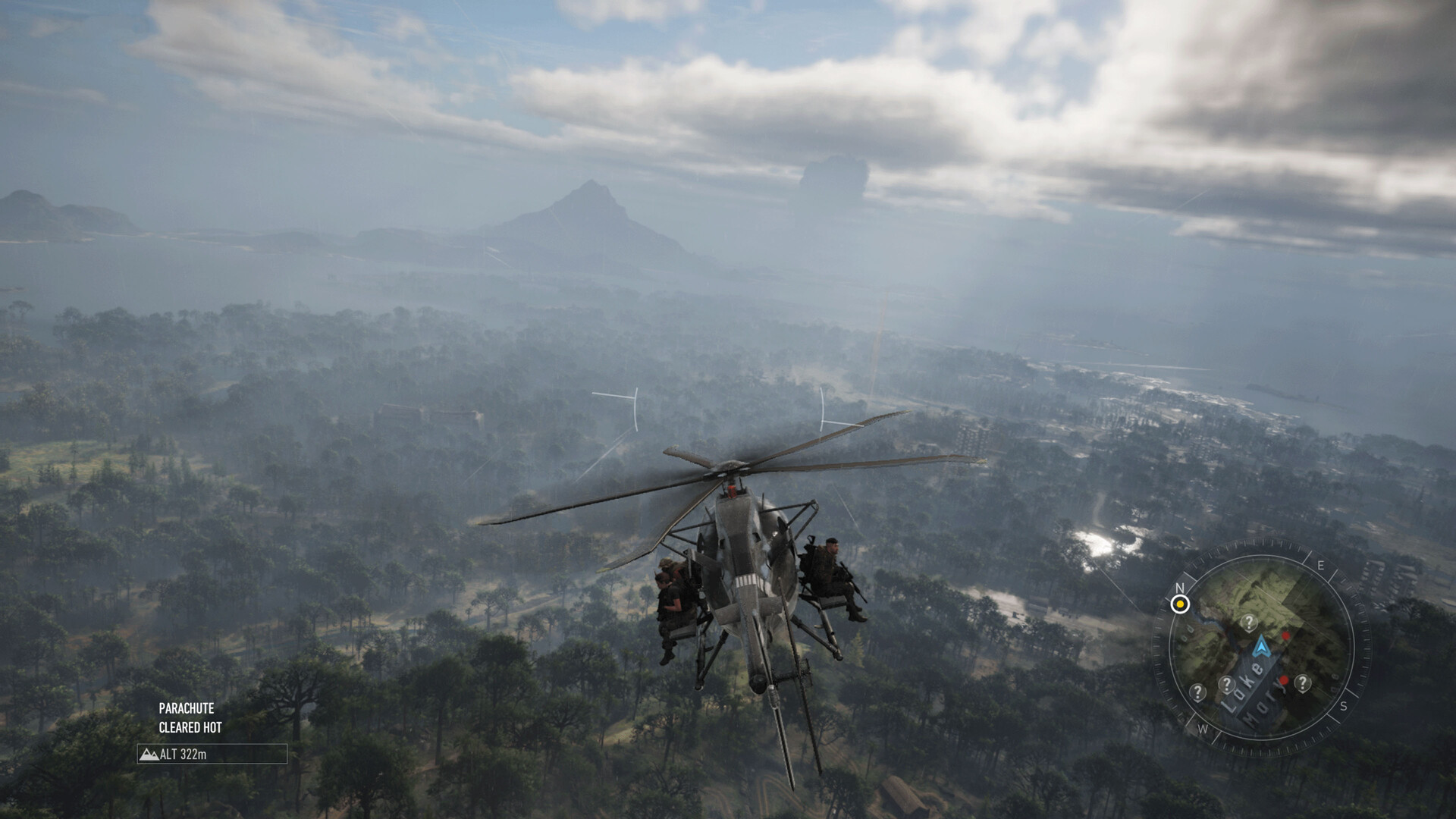
To me, this is the most honest result in the whole scorecard. With NFTs, the tech did not fail, the promise itself did: an item that only works in one game is only worth as much as that game. Players figured that out a lot faster than some boardrooms did.
Live service: a promise only a few can win
Live-service games are the promise that burned the most money. In 2022, Sony planned around a dozen live-service titles for the following years. So far, the big success story is mainly Helldivers 2. Concord launched on August 23, 2024, and according to the PlayStation Blog went offline as early as September 6, 2024, with full refunds for everyone who bought it. On October 29, 2024, PlayStation Studios head Hermen Hulst wrote in an official update that the game had missed its targets, would be shut down for good, and that developer Firewalk would close.
It was not a one-off. In its Q1 2024 earnings release, Warner Bros. Discovery pointed to significantly lower revenue from Suicide Squad: Kill the Justice League and an impairment on the game, which the company put at around $200 million on its earnings call. And 2026 has not been any different. Bungie's Marathon launched on March 5, 2026, according to the PlayStation Blog. In its annual financial statements for the fiscal year ending March 31, 2026, Sony wrote off the entire carrying amount of Bungie's non-financial assets excluding goodwill, a little over 120 billion yen in total. Sony does not name individual games in that note. Then, in November 2026, Sony also canceled Fairgames.
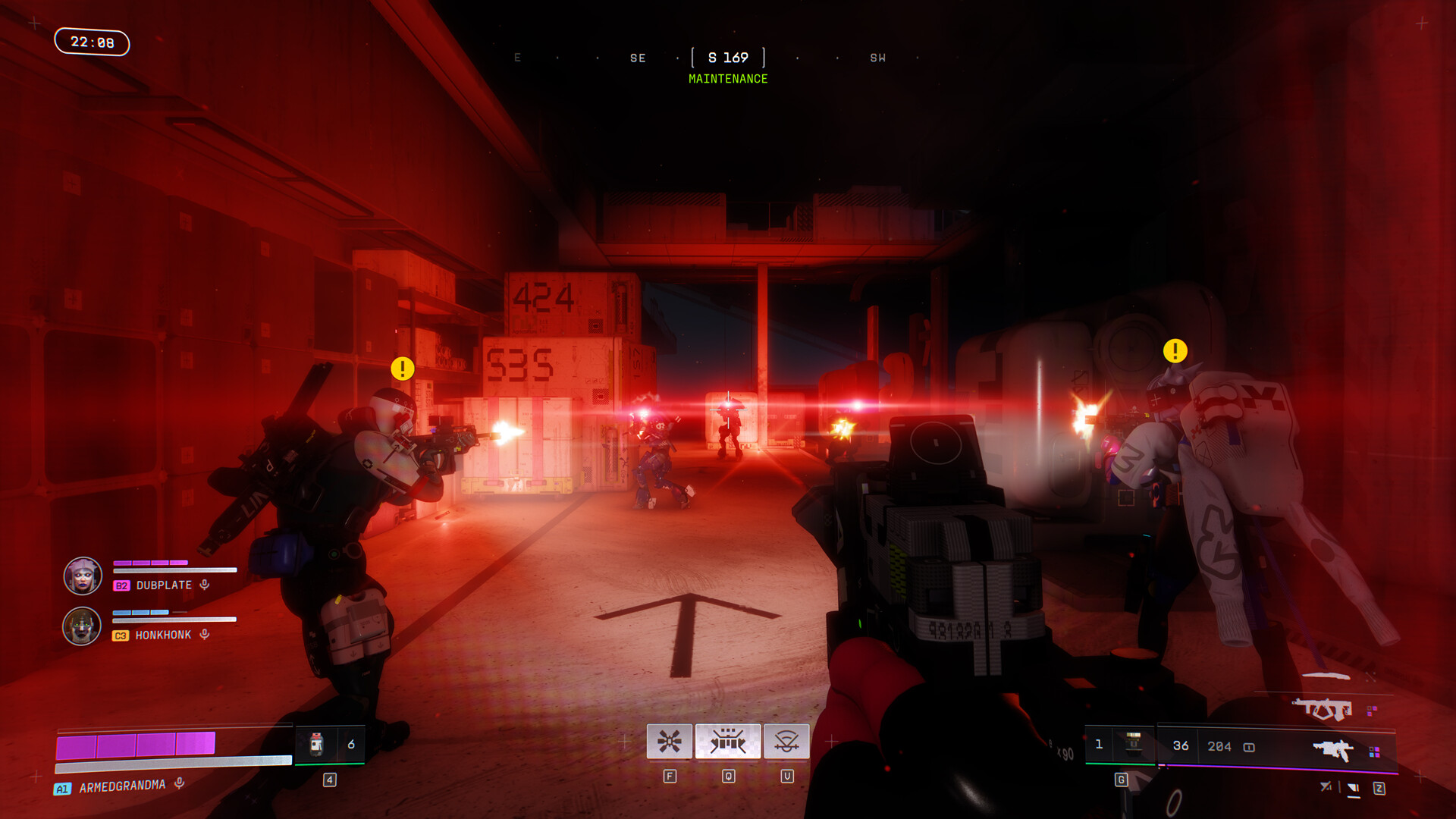
The pattern is clear: live service works, but only for a very small number of games at once. The short version is that our free time does not grow with the number of games that want to be played forever.
AI: the newest promise, and the most controversial
AI is the youngest of the big gaming promises, and the jury is still out. How sharply the mood has shifted inside the industry shows in GDC's 2026 State of the Game Industry report, based on more than 2,300 respondents: 36 percent use generative AI at work, yet 52 percent believe it is hurting the industry. That figure was 30 percent a year earlier and 18 percent the year before. Only about 7 percent see a positive impact.
Since January 2024, Valve has required developers to disclose AI-generated content on Steam (Steamworks announcement), and much of that information appears right on the store page. Two recent cases show how differently AI is being used: Xbox chief Asha Sharma describes a future in which small teams can build huge worlds, while CD PROJEKT RED is using AI in a very targeted way, with the actor's consent, for Geralt's Polish voice.
My bet is that AI will follow the same path as the other promises. As a tool for specific jobs, it is here to stay. The grand revolution where games practically make themselves? I do not see it. Right now, skepticism among developers and distrust among players are simply too strong.
My scorecard: which gaming promise actually delivered?
Here is my personal ranking, from "held up best" to "total failure." The facts come from the sources linked above, the verdict is my opinion.
| Rank | Promise | What was promised | Where it stands in November 2026 | My verdict |
|---|---|---|---|---|
| 1 | Cloud gaming | Play without a console or gaming PC | Alive on Xbox and GeForce NOW, but with hour caps | Smaller, but useful |
| 2 | Live service | Games that earn money and deliver fun for years | A few hits like Helldivers 2, many expensive flops | Works for very few |
| 3 | AI | Cheaper, faster development | 36% use AI, 52% see it as negative (GDC 2026) | Still open, trust is missing |
| 4 | VR | The next big medium | Great games, billions in losses at Meta, no PS VR2 sales figures | A niche for fans |
| 5 | NFTs/metaverse | True ownership of digital items | Ubisoft Quartz over within months | Failed |
What does this mean for you?
- Cloud gaming: Try the free tier or a small hour pack before signing up for a subscription just for the cloud. If you stream more than a few hours a week, do the math on the caps first.
- VR: Buy a headset for specific games, not for a promise about the future. With PS VR2, I would wait to see whether Sony says anything about the headset's future before buying.
- NFTs: If a game pitches "true ownership" via blockchain, be very careful. The value lives in the game, not the token.
- Live service: Pricey founder packs at launch are rarely worth it. Waiting a few weeks costs nothing and tells you whether a game is here to stay.
- AI: Check the AI disclosure on a game's Steam store page before you buy.
Our take
None of the big gaming promises transformed the industry, but almost all of them left something behind. Cloud gaming and live service live on because they got smaller and more honest, VR survives as a niche, and NFTs are gone, deservedly so. That is how I think we should judge the next revolution we get sold: not by how big it sounds, but by whether it still makes sense as a small solution.