Jonas Keller
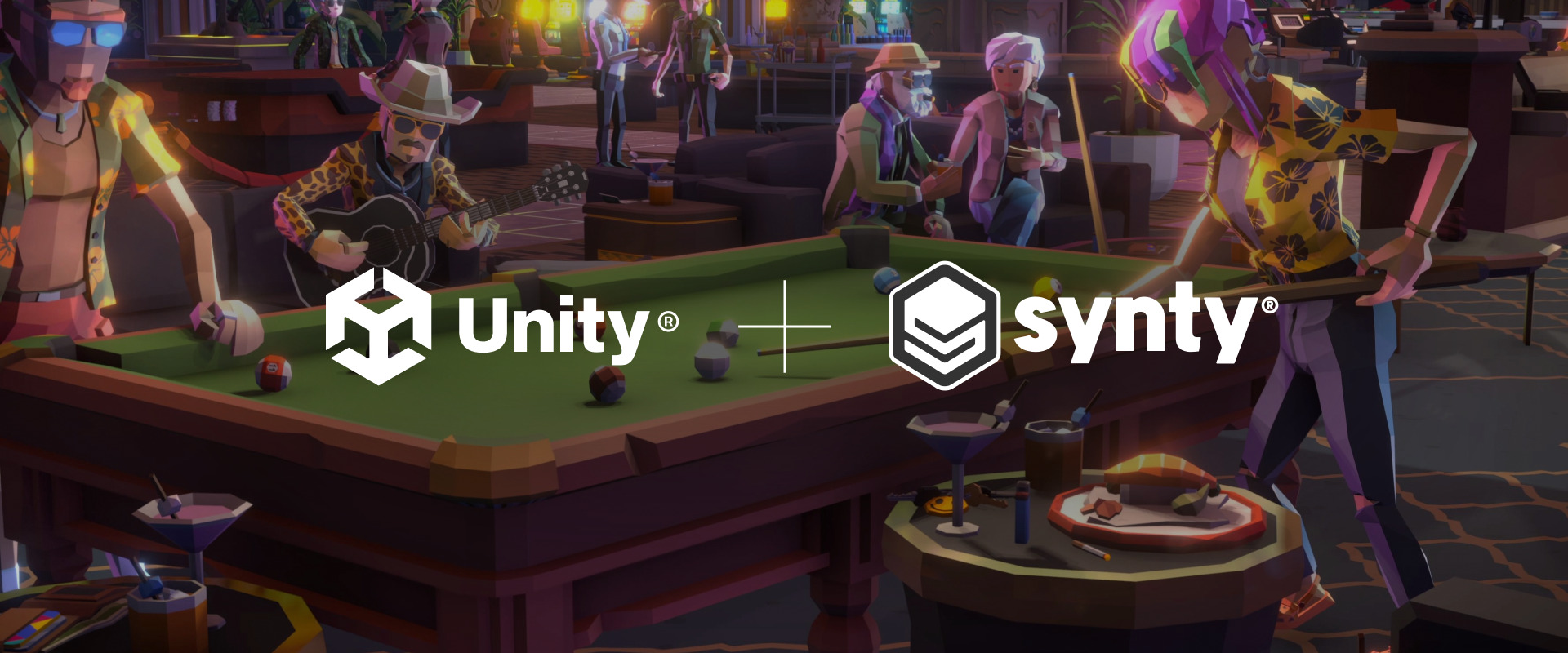
Unity has acquired Synty, the well-known maker of stylized low-poly 3D assets. Unity announced the deal on 16 November 2026. The library is set to be integrated into Spark, Unity’s AI-powered creation platform, and will for now remain available for Unreal and Godot as well.
Contents
Unity acquires Synty: what is officially confirmed
On 16 November 2026, Unity announced that it has acquired Synty Studios. Synty is best known for low-poly 3D assets that turn up in a huge number of indie games. If you have ever dropped a familiar, angular art pack into an editor, you have probably used this library already – often without clocking the studio name.
In the official announcement on the Unity blog, the company says the founders and artists behind the POLYGON range of stylized 3D art packs are joining Unity. The Synty brand will continue, as will existing offers and licenses. Unity did not disclose a purchase price.
Today I’m proud to share that Unity has acquired Synty Studios. The founders and artists behind the POLYGON range of stylized 3D art packs are joining the Unity team, and their library is coming to Unity Spark, our upcoming AI-native game creation platform.
Chris Gfroehrer, VP of Marketing at Unity, 16 November 2026
Why Synty’s low-poly assets show up in so many indie games
Synty Studios was founded in 2014 and made its name with the POLYGON series: stylized, deliberately pared-back 3D packs that let teams assemble worlds, characters and props at speed. That is exactly why they appeal to indie studios. Instead of spending months building an art pipeline from scratch, many teams lean on ready-made, coherent assets – for prototypes as well as finished games with a clear low-poly look.
Unity puts the library at more than 60,000 assets. You can see how deeply these packs are woven into the indie scene whenever you start spotting them everywhere: in game jams, Early Access titles and smaller Steam releases. That is why this is more than a corporate deal between two companies. It affects a tool that a great many independent developers actually use.
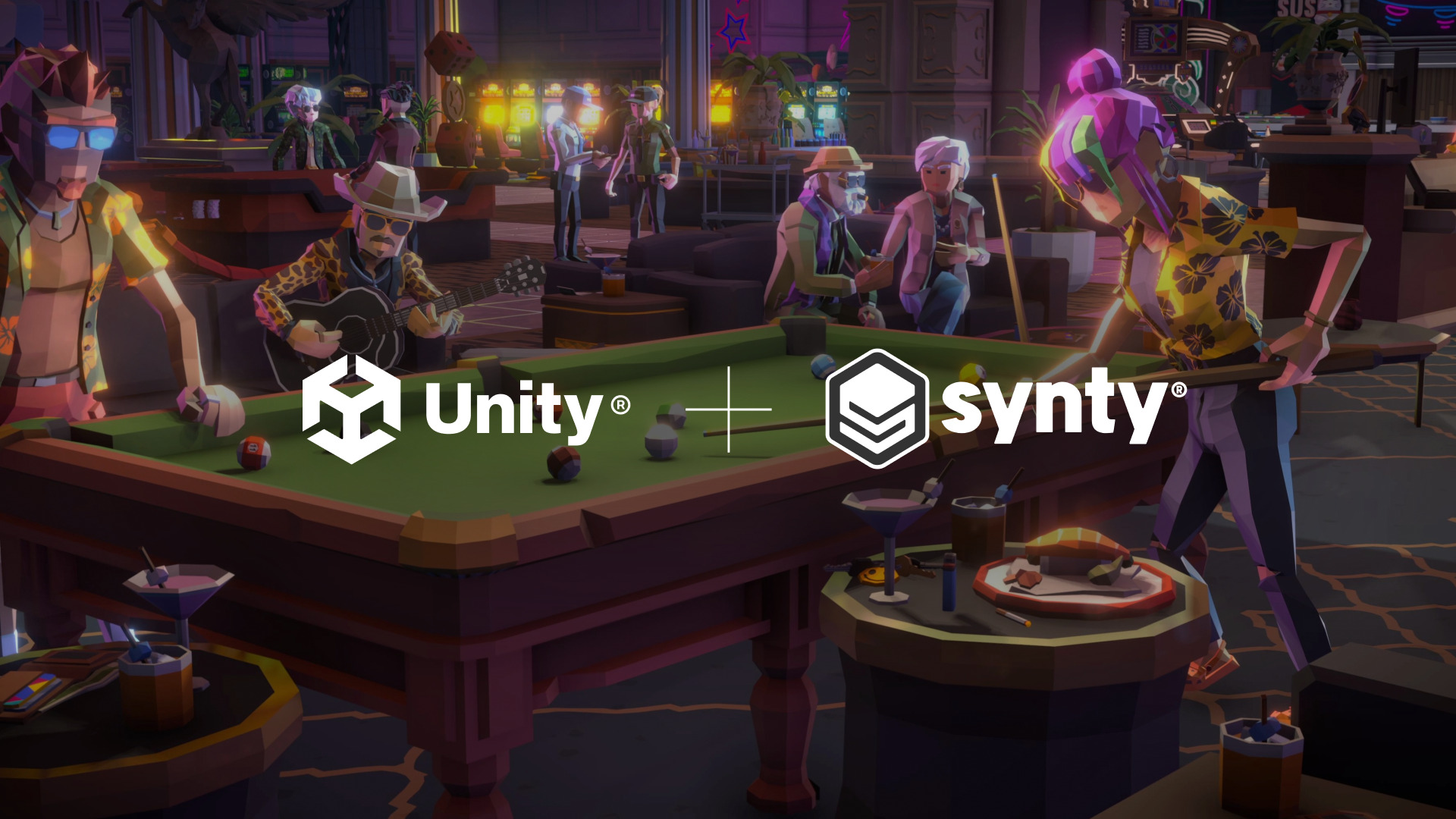
The Synty library is headed for Unity Spark
The strategic heart of the deal is the planned use of the library: it is to be integrated into Unity Spark, Unity’s upcoming AI-powered creation platform. According to Unity, Spark will connect directly to the Unity Asset Store and is meant to make creating, prototyping and publishing games easier through AI-assisted workflows. The announcement does not spell out the technical details of how the assets will be built in.
For indie teams already working in Unity, that could make everyday production noticeably faster: typical Synty worlds and characters would no longer live only in the Asset Store, but inside the new AI workflow itself. Synty co-founder Mike Clephane sees it mainly as a way to reach a new generation of creators, while the studio’s existing body of work keeps growing.
Joining Unity will allow our artists to continue building the detailed worlds, characters and assets our community creates with today, while reaching a new generation of creators through Unity Spark.
Mike Clephane, co-founder of Synty, 16 November 2026
Unreal and Godot keep access for now
This part matters for anyone who is not building exclusively in Unity: the assets will for now remain available for Unreal and Godot as well. Unity says Synty is still Synty – same brand, same artists, same style – and that the packs will stay available for the engines and tools they support today. Existing licenses are expected to remain unchanged for the time being.
That “for now” is worth taking seriously. Unity is not offering an open-ended guarantee for Unreal and Godot. The announcement only says there will be plenty of notice before any possible changes. If you use Synty assets outside Unity, you can carry on in the short term – but you should keep an eye on how that support is framed over the longer run.
Our take
In the short term, I find this reassuring: the packs stay available, the licenses stand, and Unreal and Godot users are not being cut off overnight. At the same time, Unity’s direction is obvious. Once the library sits inside Spark, it will be even more convenient for Unity teams – and the pull of the Unity ecosystem will grow. That is where I am sceptical, not about the acquisition itself. Whether Synty stays as engine-agnostic as it is today will be the real test. Until then, this is mostly good news for anyone who wants to build worlds quickly with these assets.