Lena Vogt
The games industry is putting too much money on too few, oversized bets. My argument is this: it needs smaller games not as a side dish, but as a more stable foundation. The most expensive productions can take studios down with them. At the same time, small and mid-size teams keep proving that a huge audience and real artistic ambition are not measured by budget size.
When an expensive game vanishes in a matter of weeks
Concord is the clearest recent example. Sony released the hero shooter in August 2024 and took it offline on September 6, 2024. In a PlayStation Blog post, the company halted sales and offered full refunds. On October 29, 2024, the final decision followed. In an internal note later published by Sony Interactive Entertainment, Hermen Hulst, head of PlayStation’s studio business, said Concord would be permanently sunset and Firewalk Studios would close. Mobile studio Neon Koi was shut down as well. Hulst wrote, plainly, that the team had not hit its targets with the game.
Sony has not officially disclosed how much Concord cost. That silence is part of the problem: the industry rarely talks clearly about development budgets, but it lets us see the aftermath. A game is gone, a studio is gone, and the next huge bet is already in the pipeline. We have already written about that pattern in our piece “Concord wasn’t a one-off”. The deeper question is this: why does the industry keep pouring so much into a handful of giant productions — and so little into smaller games?
Xbox’s own numbers show why the big bets hurt
The most current official scale comes from Xbox itself. In a memo published on Xbox Wire on June 10, 2026, Xbox CEO Asha Sharma — she refers to herself in that letter as having joined as CEO in February — wrote that over the past five years, excluding Activision, Blizzard, and King, Xbox had spent more than $20 billion on content, platform, and hardware subsidies. Annual revenue, she said, had declined by nearly half a billion dollars over that period. That is not an outside estimate. It is Xbox’s own accounting.
The hard cut came on July 6, 2026. In a follow-up memo titled “Resetting XBOX,” also published on Xbox Wire, Sharma said the team would be reduced by about 3,200 roles across fiscal year 2027, including about 1,600 that day. Four studios would leave Xbox. One line stands out: in a typical year, Xbox had lost 64 cents for every dollar invested. Xbox also wrote that it now competes not only with the largest publishers, but with smaller independent studios.
On September 22, 2026, Matt Booty added on Xbox Wire that another 268 roles would go. Double Fine and Compulsion Games were moving back to independence, and Undead Labs had changed publishers. Two agreements for Ninja Theory had fallen through, and a proposed closure was going into consultation. Talks at Arkane were still underway. I am not citing these figures to pile on Xbox. I am citing them because they show what happens when a company stays too broad and too expensive for too long.
What 30 people — and one person — can do
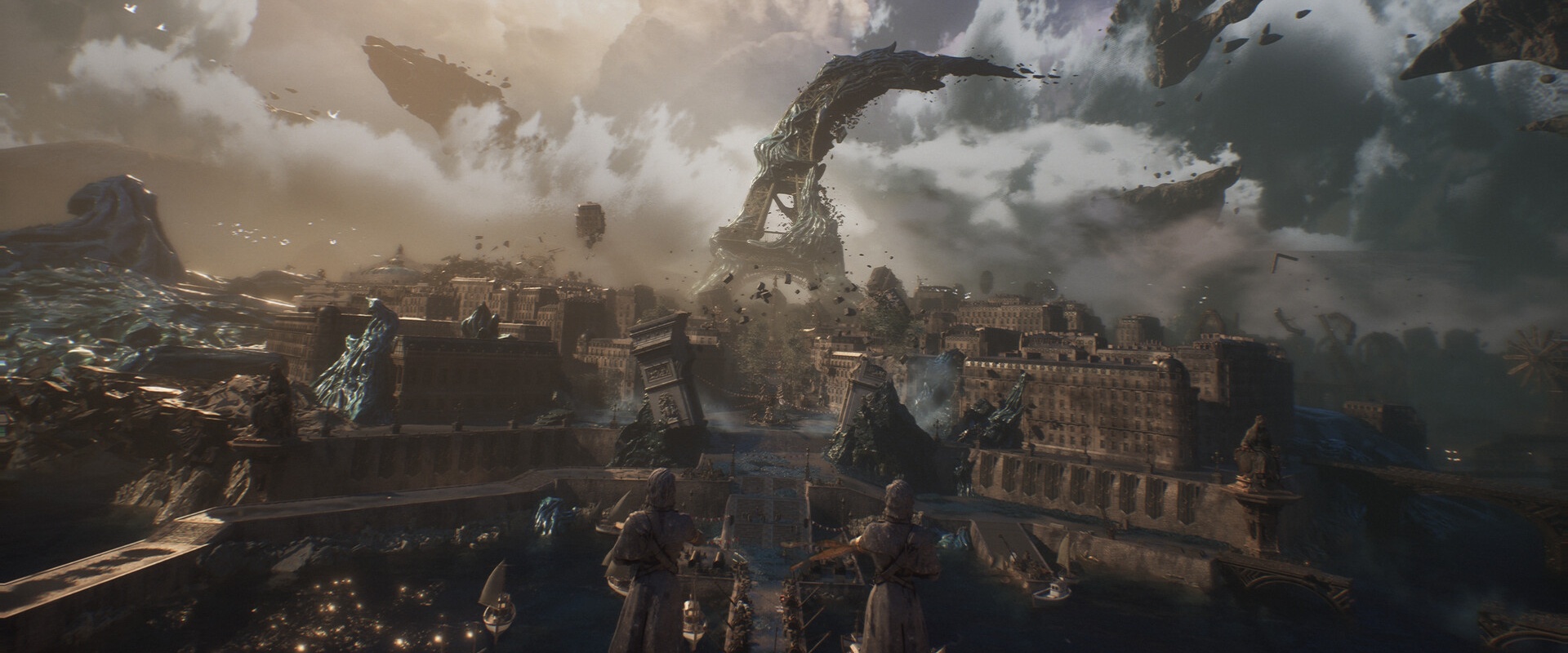
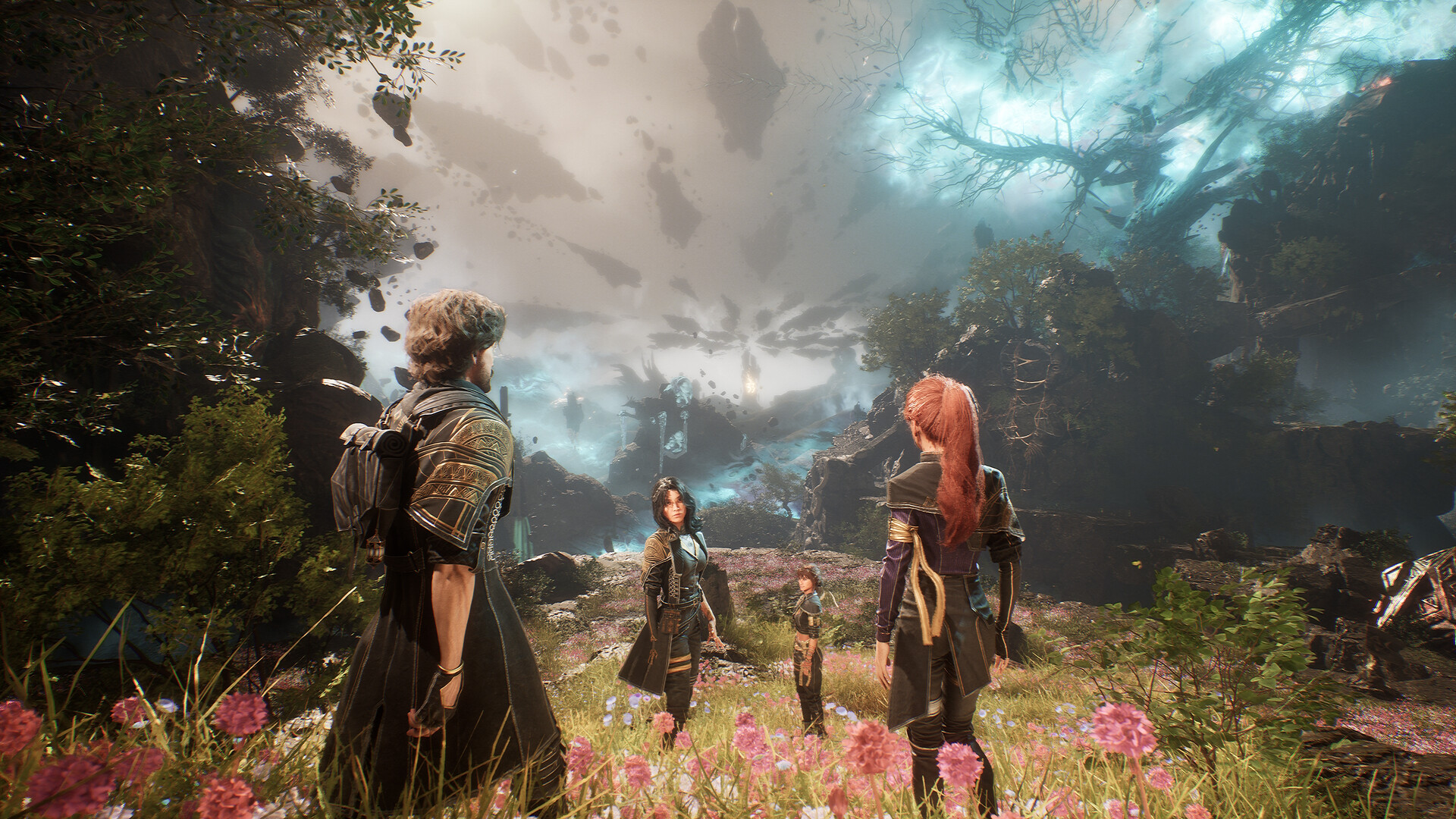
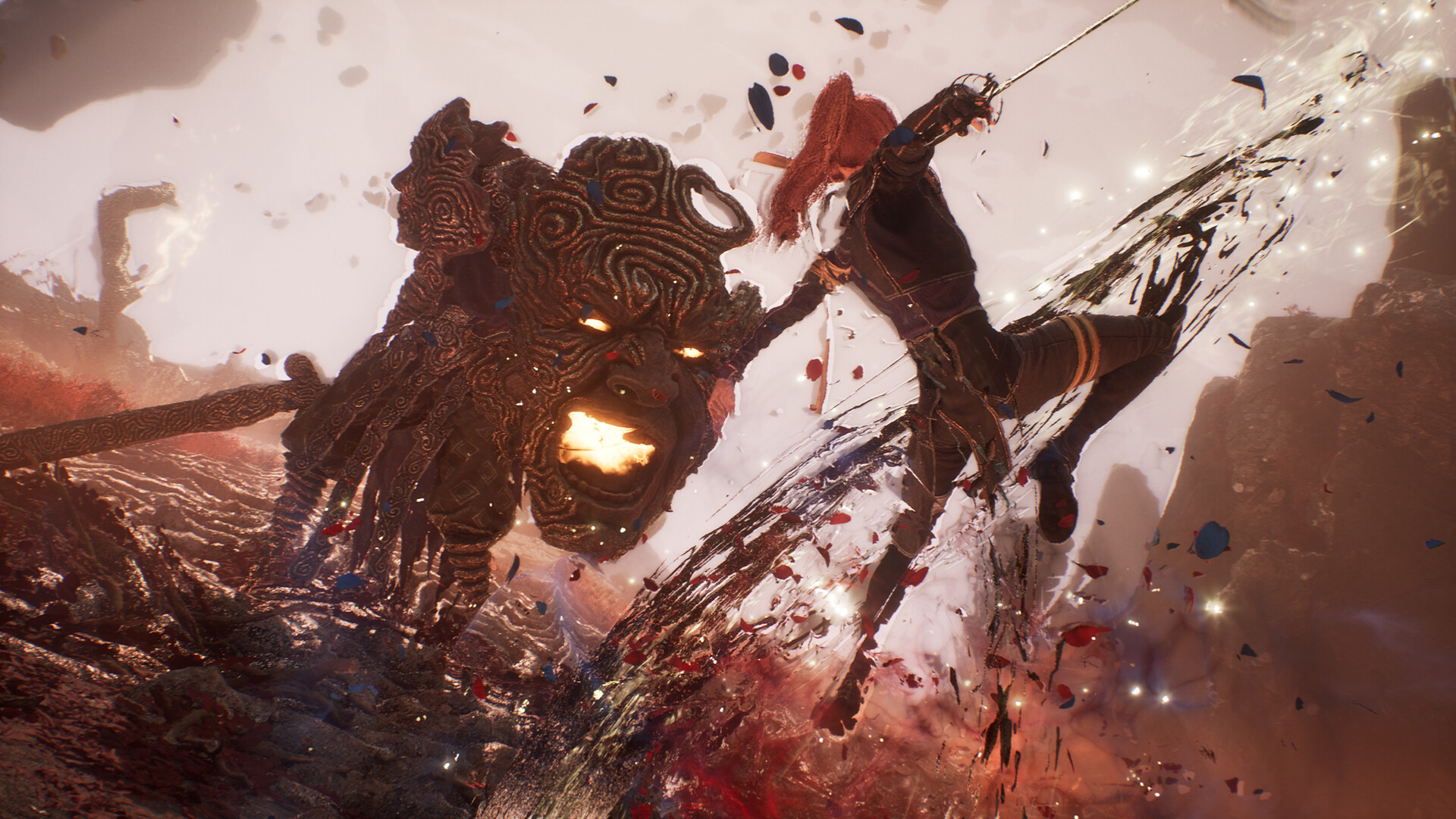
Set against that is a string of successes that can be checked against official statements. Clair Obscur: Expedition 33 comes from Sandfall Interactive. In an official announcement on May 27, 2025, the studio and publisher Kepler Interactive put the core team at around 30 people and reported 3.3 million copies sold in the first 33 days, not counting extra Game Pass downloads. On the game’s first anniversary, April 24, 2026, the team wrote on its official site that Expedition 33 had reached 8 million copies sold. It looks and feels like a big role-playing game. It was not built by a machine of hundreds of permanent staff.
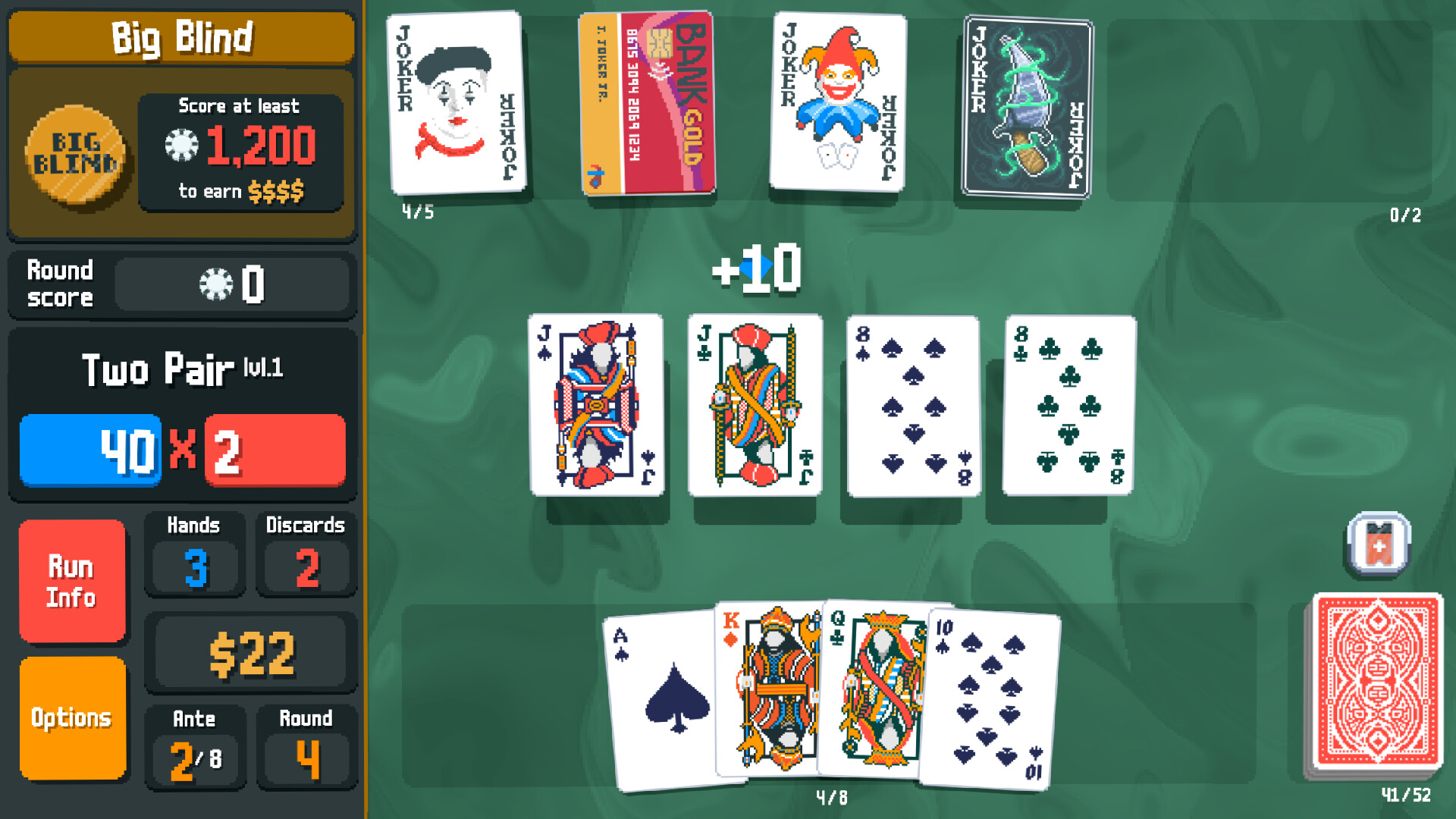
Balatro goes further still. In Playstack’s official announcement from September 2023, LocalThunk is described as a solo developer based in Canada, with Balatro as their first game. On January 21, 2025, Playstack reported more than five million units sold. A poker roguelike made by one person found a million-strong audience — without a live-service pitch and without a bloated sequel machine.
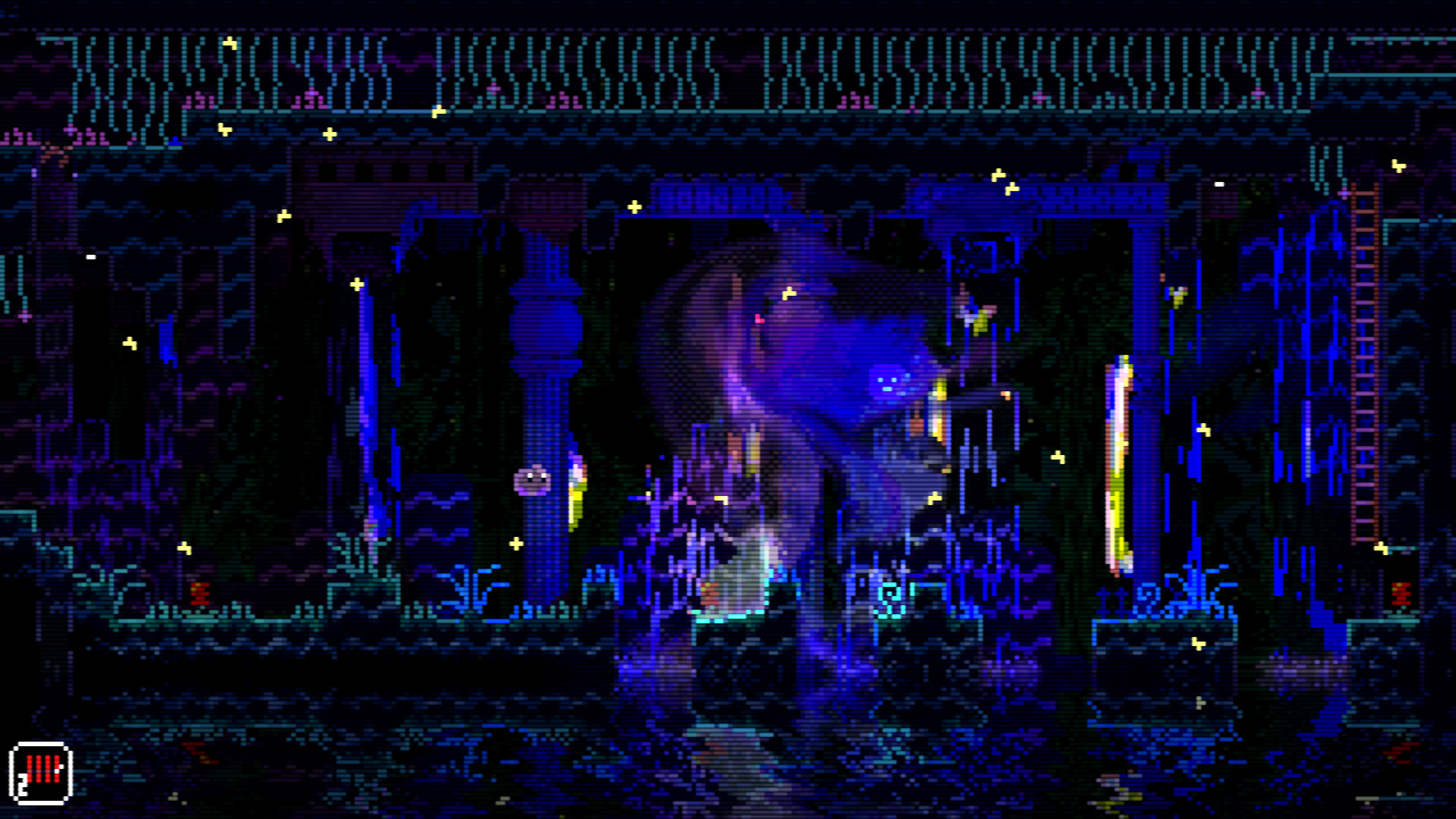
Stardew Valley makes the same point just as clearly. The official press page says Eric Barone, known as ConcernedApe, spent four years making it alone — music, art, programming, and design. As of December 2024, it had sold more than 41 million copies, including more than 26 million on PC and 7.9 million on Switch. He later brought in a small team to help with updates. And Animal Well, according to its official press kit, was also solo-developed by Billy Basso. The project began in 2017 as a nights-and-weekends effort and launched on May 9, 2024. The studio has not published a firm sales figure, so I will not invent one. The development story is enough: a self-contained game that does not depend on patches or a permanent online hook.
The comparison publishers should make more often
The table below uses only figures that come from official statements or press pages. Where a number is missing, the cell stays empty rather than filled with a guess.
| Example | Team, per official account | Outcome, per official account | As of |
|---|---|---|---|
| Concord (Sony / Firewalk) | – | Taken offline, later permanently sunset, studio closed | Sept. 6 and Oct. 29, 2024 |
| Xbox restructuring | – | About 3,200 roles in FY27, including about 1,600 on July 6, 2026; another 268 roles on Sept. 22, 2026 | July–Sept. 2026 |
| Stardew Valley | Four years of solo development, later a small update team | More than 41 million copies sold | December 2024 |
| Balatro | Solo developer LocalThunk | More than 5 million units sold | Jan. 21, 2025 |
| Clair Obscur: Expedition 33 | Core team of around 30 | 3.3 million in 33 days; 8 million by the first anniversary | May 2025 / April 24, 2026 |
I am not arguing that blockbusters should disappear. I still play the good ones. But the table shows a lopsided risk: on one side, productions that can take thousands of jobs and entire studios with them; on the other, smaller games that reach millions of players with a handful of people. Funding only the next giant gamble is not bold. It is one-sided.
Smaller games worth playing now
If you want to put the argument into practice, the easiest place to start is your own library. A few recommendations we have already reviewed:
- Clair Obscur: Expedition 33 — if you want a story-heavy RPG with a sense of scale, and a look at what a mid-size team can do today.
- Balatro — if you want a session that starts in seconds and still sticks with you.
- Animal Well — if you would rather dig up secrets yourself than grind through a battle pass.
- Hades II and Sea of Stars — if you want run-based or turn-based games with a clear authorial voice, not a committee feel.
- Pizza Tower — if you want a precise, short, stubborn platformer.
This is not required reading, and it is not a complete ranking. It is an invitation to spend more of your money where a contained idea becomes a finished, self-contained game. Publishers notice that. Not always immediately, but they do notice.
Our take
I do not think the industry has an ideas problem. It has a scale problem. As long as the “safe” path is to spend more and more on fewer and fewer games, layoffs and studio closures will keep arriving as collateral damage from a lopsided bet. For me, smaller and mid-size games are not a niche program. They are the more sensible base: lower risk, clearer creative ownership, and often a more honest relationship with the audience. The blockbusters can stay. But when Xbox itself says it is competing with independent studios, and a team of around 30 people sells eight million copies of an RPG, the direction is fairly obvious. I will keep playing the big ones — and I will reach for smaller games even more often on purpose.