 Mila Becker
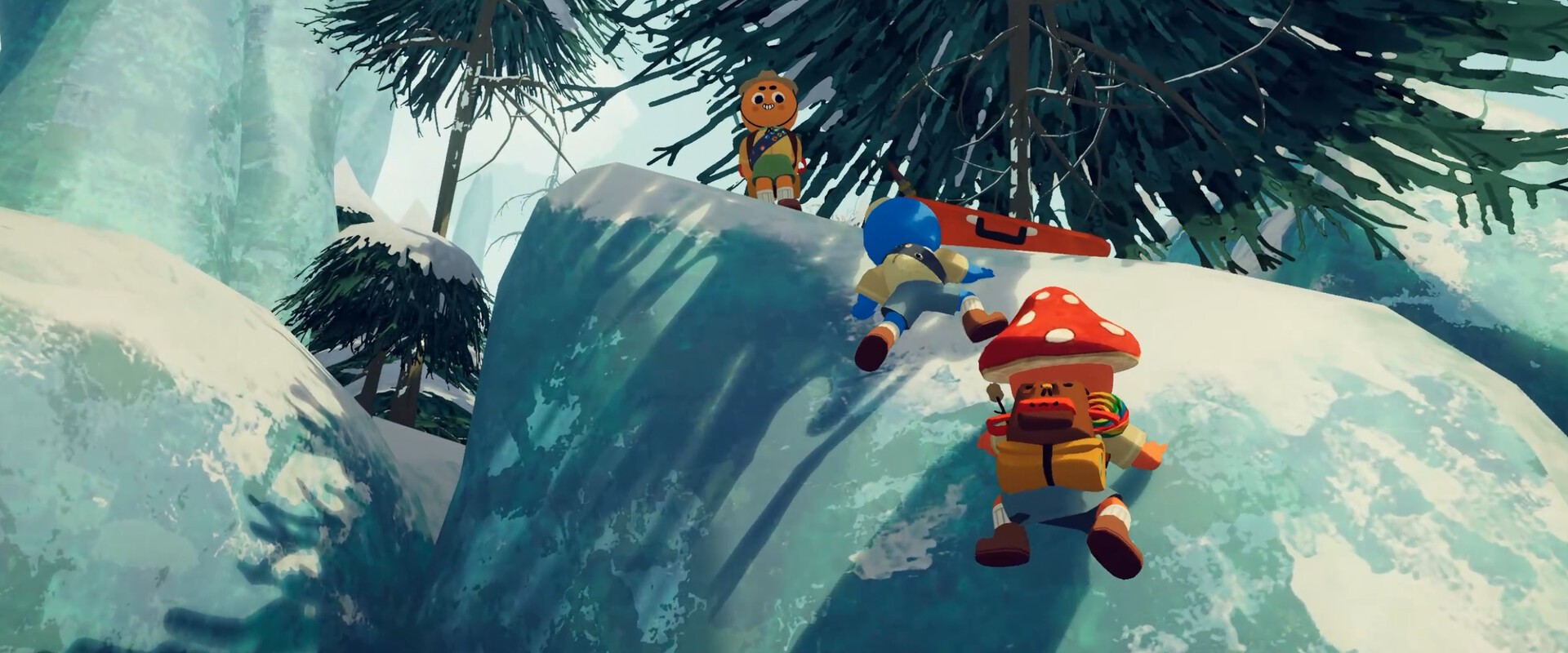
Viral indie hits are born on TikTok and Twitch now, not in an ad break. One clip, a handful of streamers, and a game that costs less than ten bucks suddenly has more players than a blockbuster. My take: the viral moment only decides the launch. Whether the hype turns into a real hit is decided in the months after, and that is where these games split apart brutally.
Contents
- Viral indie hits by the numbers: the hype curve
- Lethal Company: the hit that got stuck in Early Access
- Content Warning: 6.2 million free players in 24 hours
- PEAK: why the record came two months later
- R.E.P.O.: the one that just keeps going
- Schedule I: one developer, 459,075 players
- What studios can learn from viral indie hits
- Good and bad for players: our hype check
- Our take
Back in October I wrote How TikTok and Streamers Make Indie Hits, about why co-op, proximity chat and a low price tag fit short clips so well. This time I want to look at the other half of the story: what happens once the algorithm moves on? I picked five viral indie hits from the past three years and compared their record numbers with what is happening on Steam today.
Viral indie hits by the numbers: the hype curve
For each game, the table shows its all-time peak of concurrent players on Steam, its highest Twitch viewership, and its peak over the last 24 hours. The last column is the interesting one: it shows how much of that record is still left today.
| Game | Launch | Price | Steam peak | Twitch peak | 24h peak today | Share of record |
|---|---|---|---|---|---|---|
| Lethal Company | Oct 23, 2023 | €9.75 | 240,817 (Dec 3, 2023) | 190,317 | 5,305 | 2.2% |
| Content Warning | Apr 1, 2024 | €7.49 | 204,439 (Apr 2, 2024) | 157,776 | 945 | 0.5% |
| PEAK | Jun 16, 2025 | €7.49 | 170,759 (Aug 17, 2025) | 176,478 | 25,065 | 14.7% |
| R.E.P.O. | Feb 26, 2025 | €9.49 | 271,571 (Mar 23, 2025) | 161,407 | 49,358 | 18.2% |
| Schedule I | Mar 24, 2025 | €19.50 | 459,075 (Apr 6, 2025) | 223,579 | 13,567 | 3.0% |
Two things jump out right away. First, for all five games the Twitch record sits in the same ballpark as the player record, and for PEAK it is actually higher. With viral indie hits, watching and playing go hand in hand. Second, the gap afterwards is enormous. Content Warning holds on to half a percent of its record today, R.E.P.O. almost a fifth. The reason isn't in the clip. It's in what came after the clip.
Lethal Company: the hit that got stuck in Early Access
Lethal Company is the textbook case for me. Solo developer Zeekerss launched the co-op horror game into Early Access on October 23, 2023, with basically no marketing at all. Then TikTok took over: by mid-January 2024, the #lethalcompany hashtag had passed 2.4 billion views. On Twitch, the game racked up around 19.6 million hours watched in November 2023 alone, and in February 2024 it won Stream Game of the Year at The Streamer Awards.
The design was practically built for clips: proximity chat that makes your friends' voices fade out and then cut off mid-sentence, plus monsters that turn more funny than scary the moment someone runs off screaming. On December 3, 2023, 240,817 people were playing at the same time.
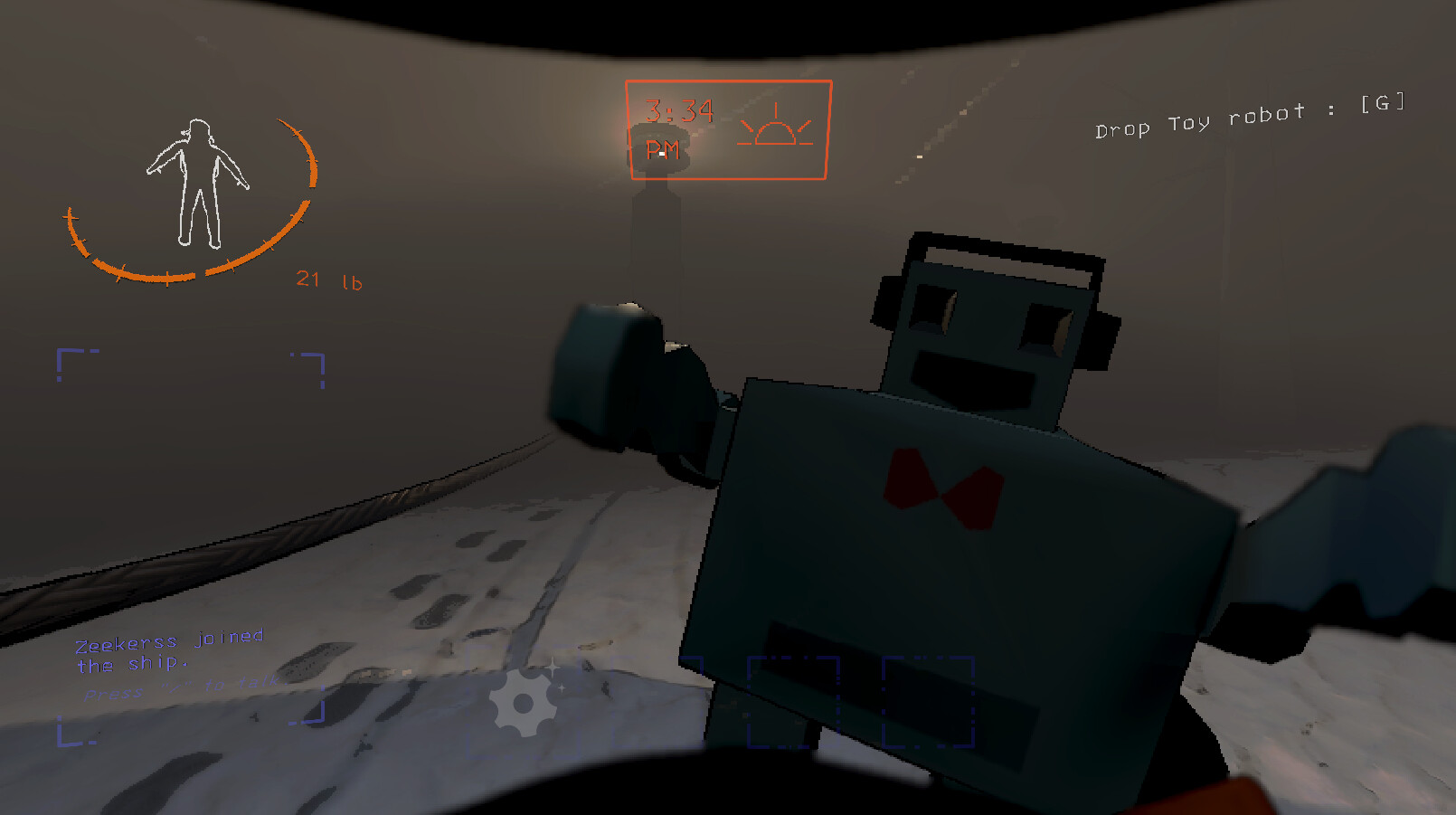
And then? Early Access was originally supposed to last six months. Three years later, Lethal Company is still in Early Access, and back in early 2024 Zeekerss said he preferred "bigger and less frequent" updates. That's entirely his call, and with almost 97 percent positive Steam reviews the game is hardly a problem child. But it explains the 2.2 percent in the table: if you don't give people a regular new reason to come back, you don't get new clips either.
Content Warning: 6.2 million free players in 24 hours
With Content Warning from Landfall, the premise itself is a comment on the whole topic: you film monsters with your friends, upload the footage to the fictional SpöökTube and try to go viral. You can even save the videos as files on your own PC. In other words, the game produces its own marketing.
It was made by a team of five, mostly during an internal game jam. On April 1, 2024, it was free for 24 hours. The result: more than 6.2 million Steam users grabbed it in that window, and on April 2 it hit 204,439 concurrent players. By mid-April, more than a million paid copies had been sold on top of that.
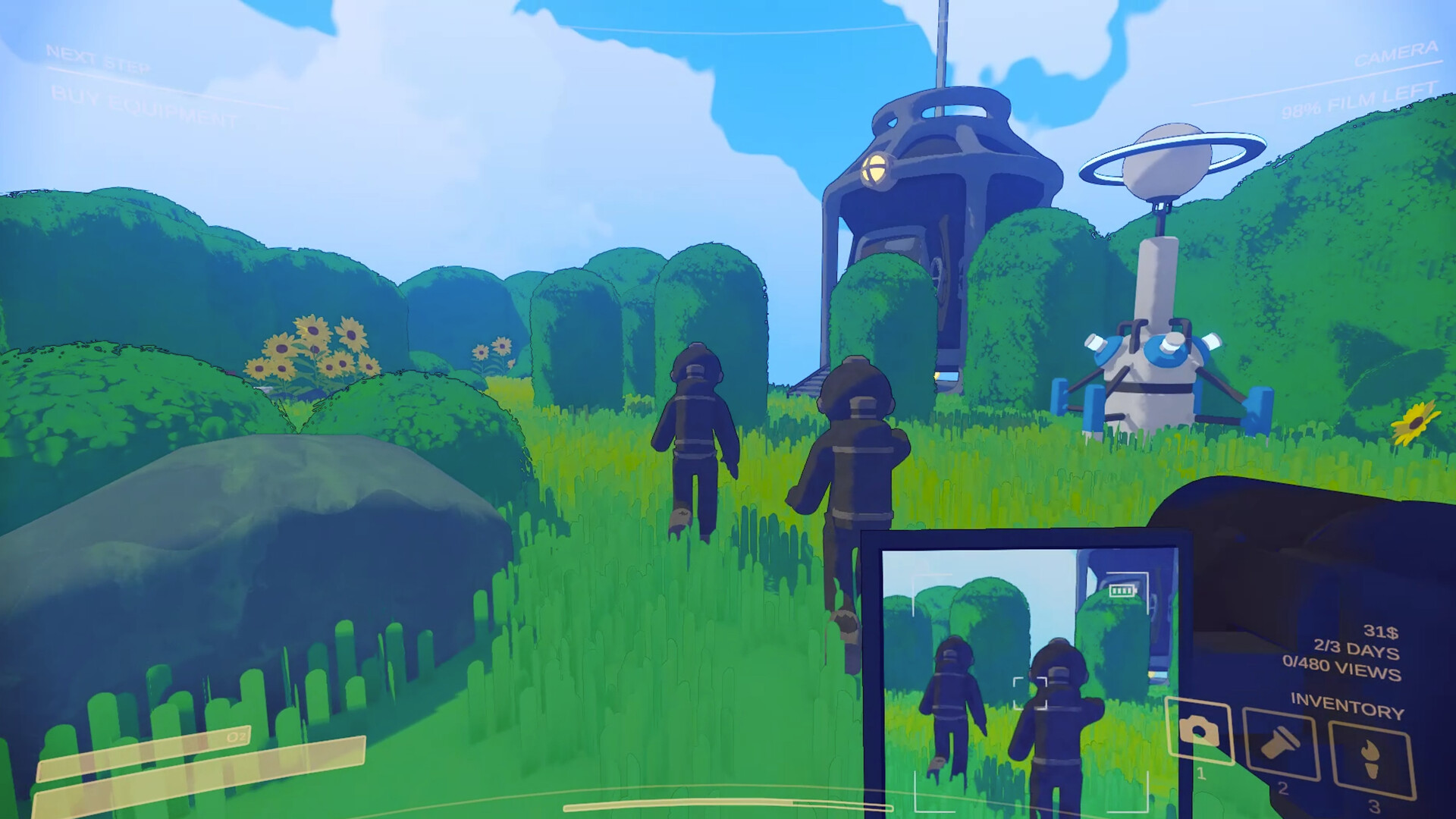
The downside showed up in the team's own update post just two days after launch: lots of bugs, server trouble, disappearing voices, and a small team asking for patience. Today the game peaks at 945 concurrent players. For me, Content Warning shows how well a free launch works as an ignition, and how little it says about whether players stick around. If you get a game for free and play it with friends for two evenings, you've had your fun. That isn't a reason to come back, though.
PEAK: why the record came two months later
PEAK is the best success story on this list. After Another Crab's Treasure, Aggro Crab struggled to find funding for its next project, so part of the team teamed up with Landfall for a one-month game jam and built a co-op climbing game. It launched on June 16, 2025, for €7.49. It sold 100,000 copies in 24 hours and a million in six days. Aggro Crab's reaction on X: "why did this stupid jam game sell more copies than another crabs treasure im gonna crash out".
What makes it exciting is the curve: two million after nine days, five million by mid-July, more than ten million in August 2025. Its Steam record of 170,759 concurrent players only came on August 17, 2025, two months after launch and six days after the Mesa update. After that came The Roots in November 2025, The Final Ascent in August 2026 and, in October 2026, the versions for PS5, Switch 2 and Xbox Series.
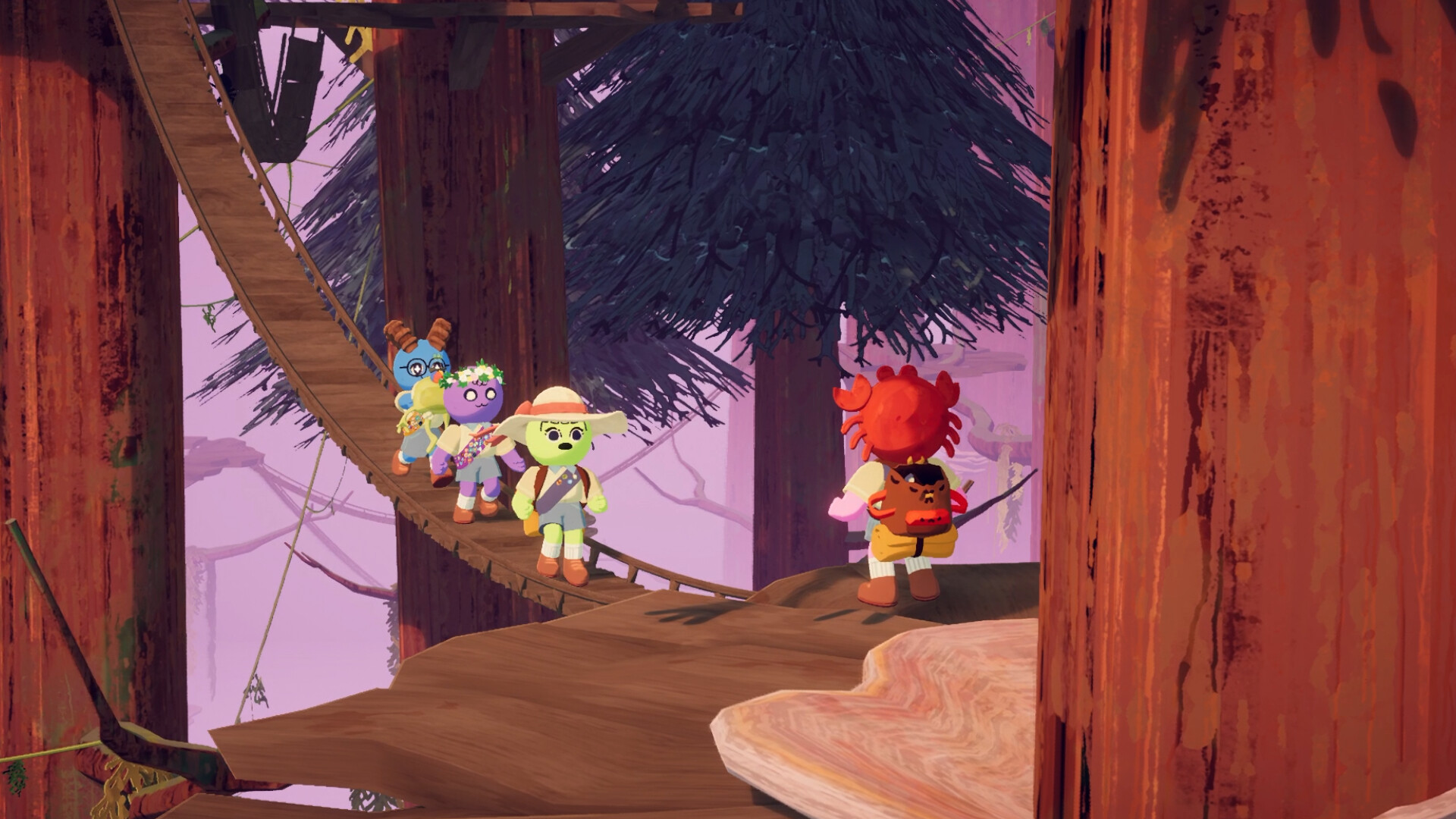
PEAK proves that a viral launch doesn't have to be a one-way street downhill. Every major update gave streamers a new reason to fire the game back up. Today it sits at 14.7 percent of its record, almost a year and a half in.
R.E.P.O.: the one that just keeps going
R.E.P.O. from semiwork has held up even better. The co-op horror game for up to six players entered Early Access on February 26, 2025. You haul physics-based valuables through dark buildings, and anything that can break will break, live on stream. In the week of March 11 to 18, 2025, it was the top-grossing paid game on Steam, and on March 23 it reached 271,571 concurrent players. Market analysts estimated around 3.7 million copies sold in April 2025 alone.
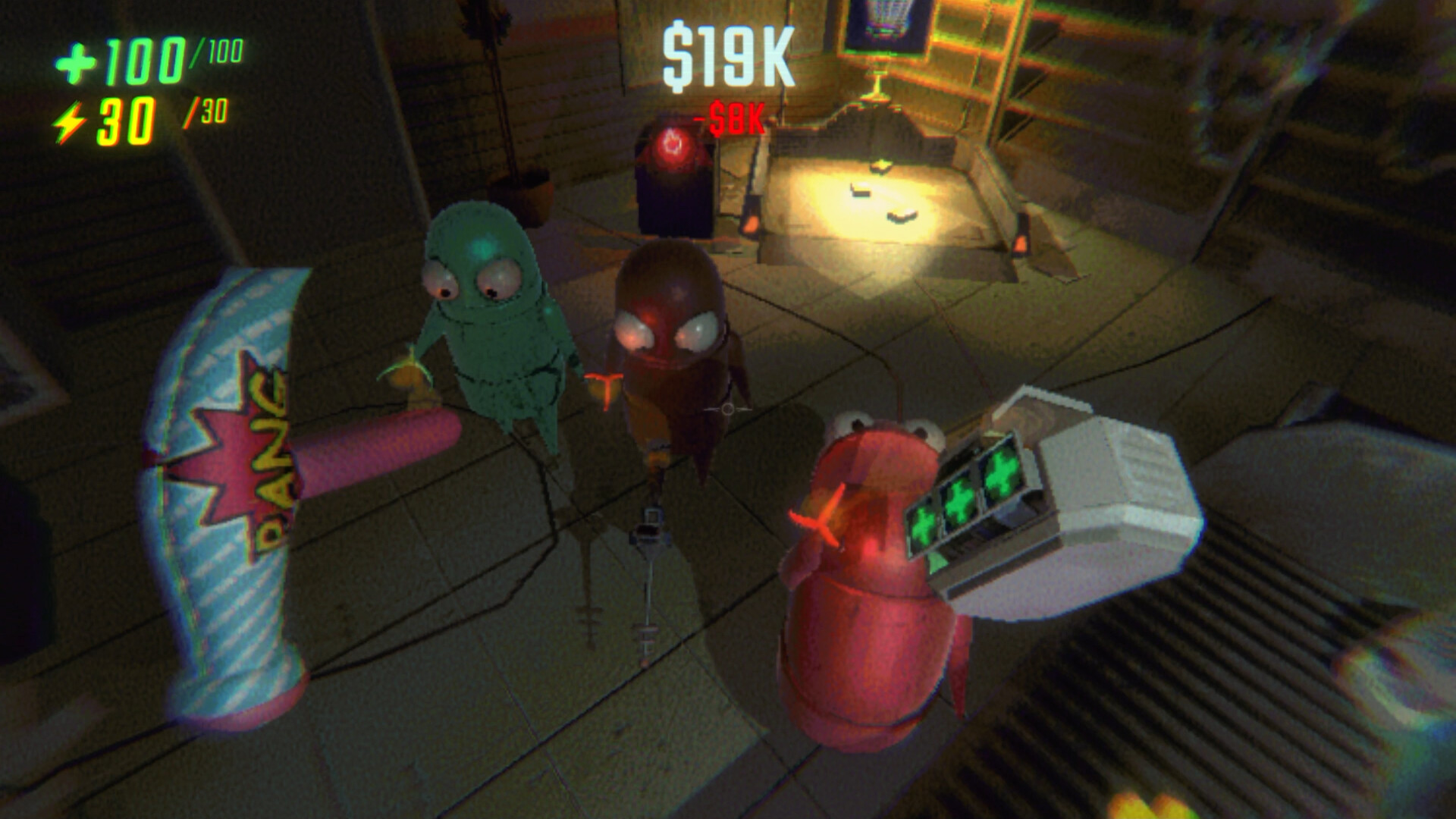
Since then, semiwork has kept the updates coming: the Museum update in June 2025, the Monster update in October 2025, a cosmetics update in May 2026 and, at the end of October 2026, the Sunstone update. The result is right there on SteamDB: with a 24-hour peak of 49,358 players, R.E.P.O. is still among the 30 most-played games on Steam more than 20 months after launch. That's not hype anymore. That's a hit.
Schedule I: one developer, 459,075 players
The biggest spike on my list belongs to Schedule I. TVGS is Tyler from Sydney, a solo developer who handled design, programming and art himself. The crime business sim entered Early Access on March 24, 2025, and blew up through Twitch and TikTok streams, mostly thanks to absurd product mixes and co-op chaos that are perfect for clipping. On April 6, 2025, 459,075 people were playing at once. There are no official sales figures, but market analysts estimated around eight million copies sold by May 2025. The game went on to win the Breakthrough Award at the 2025 Golden Joystick Awards.
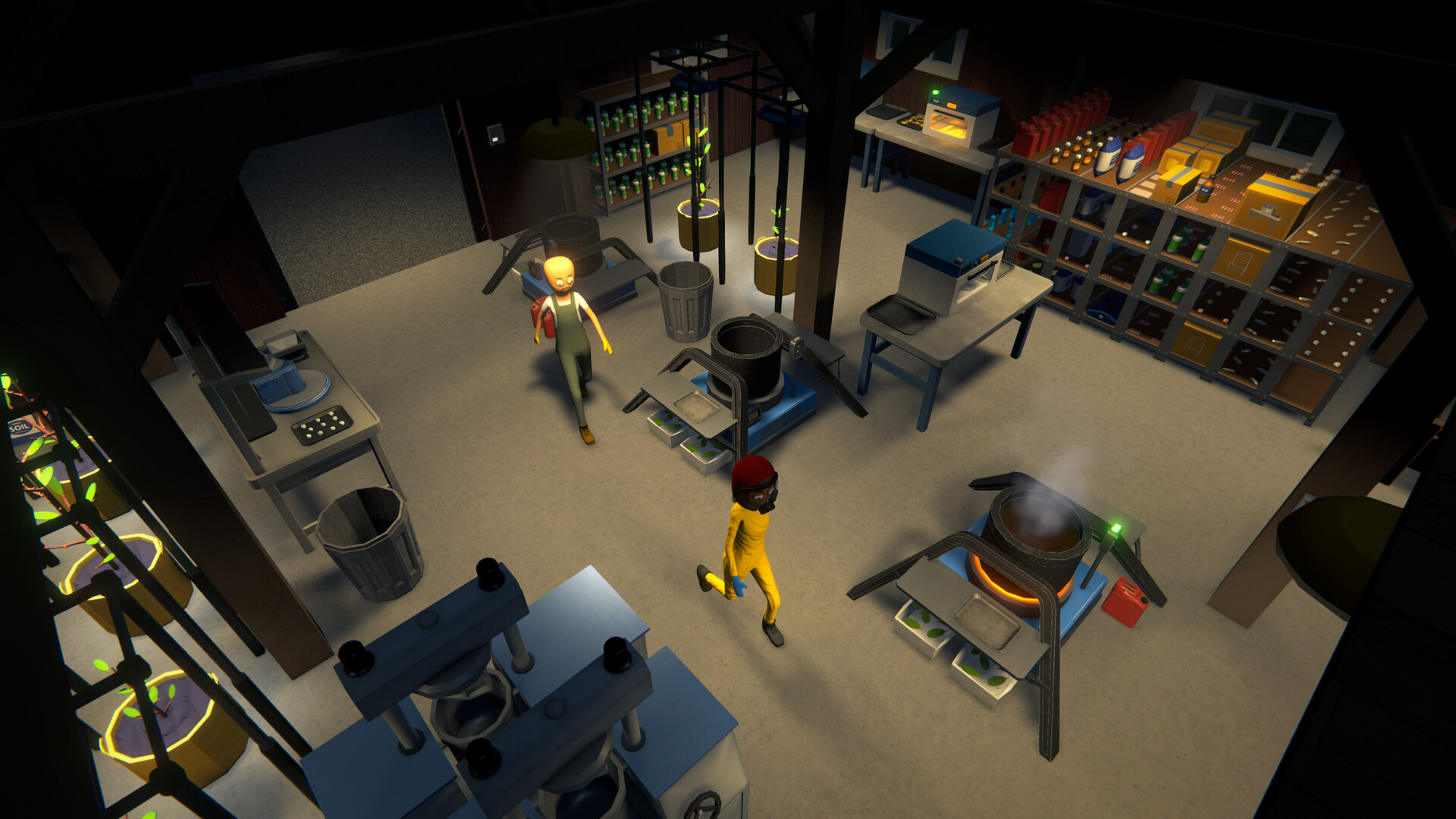
Today its 24-hour peak is 13,567 players, which is 3 percent of the record. In absolute terms that is still impressive for a one-person project. But it also shows how high a viral summit can get, higher than any single developer can keep feeding with content.
What studios can learn from viral indie hits
These five examples point to a few pretty clear rules:
- Build clip moments in, don't hunt for them later: proximity chat in Lethal Company, the camera in Content Warning, physics in PEAK and R.E.P.O. These games generate scenes you can show in 20 seconds all on their own.
- Start small: Content Warning and PEAK both came out of game jams. A small project can ship fast and show whether it catches on, without breaking the studio if it doesn't.
- Price is part of the design: four of the five games cost less than ten euros. If you see a clip and want to talk three friends into it, the barrier has to be low.
- Plan the second peak: PEAK hit its record after an update, and R.E.P.O. thrives on regular ones. A firm content plan after launch gives streamers a reason to come back.
- Sort out infrastructure before the rush: Content Warning shows how quickly servers and bugs can swamp a five-person team when millions of players arrive overnight.
Good and bad for players: our hype check
For us players, viral indie hits are a great thing at first. We get fresh ideas instead of sequel number seven, for the price of a takeaway lunch, and a night with friends in PEAK or R.E.P.O. is often more fun than plenty of full-price games. Small studios get a shot they rarely had without a publisher.
The downsides are just as real, though. Three of the five games are still in Early Access, one of them for three years now. People often buy on impulse, without knowing whether the game will still be supported two months later. And jumping in at the height of the hype often means full servers, bugs and copycats riding the same trend.
Before you buy because of a clip, ask yourself these five questions:
- Do you have a regular group? Almost every viral co-op hit is only half as good with strangers.
- Is there an update plan? A quick look at the Steam news tells you whether the studio delivers regularly.
- Early Access or finished? Early Access isn't a flaw, but you are buying a work in progress.
- What do the latest reviews say? On Steam you can filter for reviews from the last 30 days.
- Is one weekend enough for you? If so, even a flash in the pan for under ten euros is worth the money.
Our take
TikTok and streamers are the strongest launchpad for viral indie hits right now, and all five examples prove it. But the launchpad only runs as long as the first clip. Lethal Company, Content Warning and Schedule I hit massive peaks and now hold somewhere between half a percent and three percent of them. PEAK and R.E.P.O. hold at least five times as much, because their studios treated the hype as a starting gun, not a finish line.
My recommendation: if you want to jump in today, R.E.P.O. and PEAK are the most complete packages, both under ten euros and actively supported. Lethal Company is still worth it for horror fans with a regular group. Content Warning is a fantastic party game for an evening or two, and it never wanted to be more than that. And studios should remember this: you can't plan to go viral. What happens next, you can.