The Talos Principle 2 is the sequel to one of the smartest puzzle games of recent years. You play a robot in a future where humanity has died out and machines have taken its place. The game was developed by Croteam and published by Devolver Digital. It launched on November 2, 2023.
We solved the puzzles, had the conversations and reveal whether the sequel lives up to the original. On Steam, around 94 percent of reviews are positive.
In this review
Rating and verdict
The Talos Principle 2 is a worthy sequel and in many ways even better. The puzzles are clever, the world is beautiful, and the story makes you think like hardly any other game.
Long walks and some similar puzzles slow the pace, and your hardware needs to be powerful enough. Still, puzzle fans get one of the best games in the genre.
What we liked
✅ Clever, fair puzzles
✅ Ambitious, well-written story
✅ Multiple endings
✅ Gorgeous landscapes
✅ Calm, fitting soundtrack
What bothered us
❌ Long walks
❌ Some puzzles feel similar
❌ High hardware requirements
Score: 89 %
The Talos Principle 2: How the puzzles play
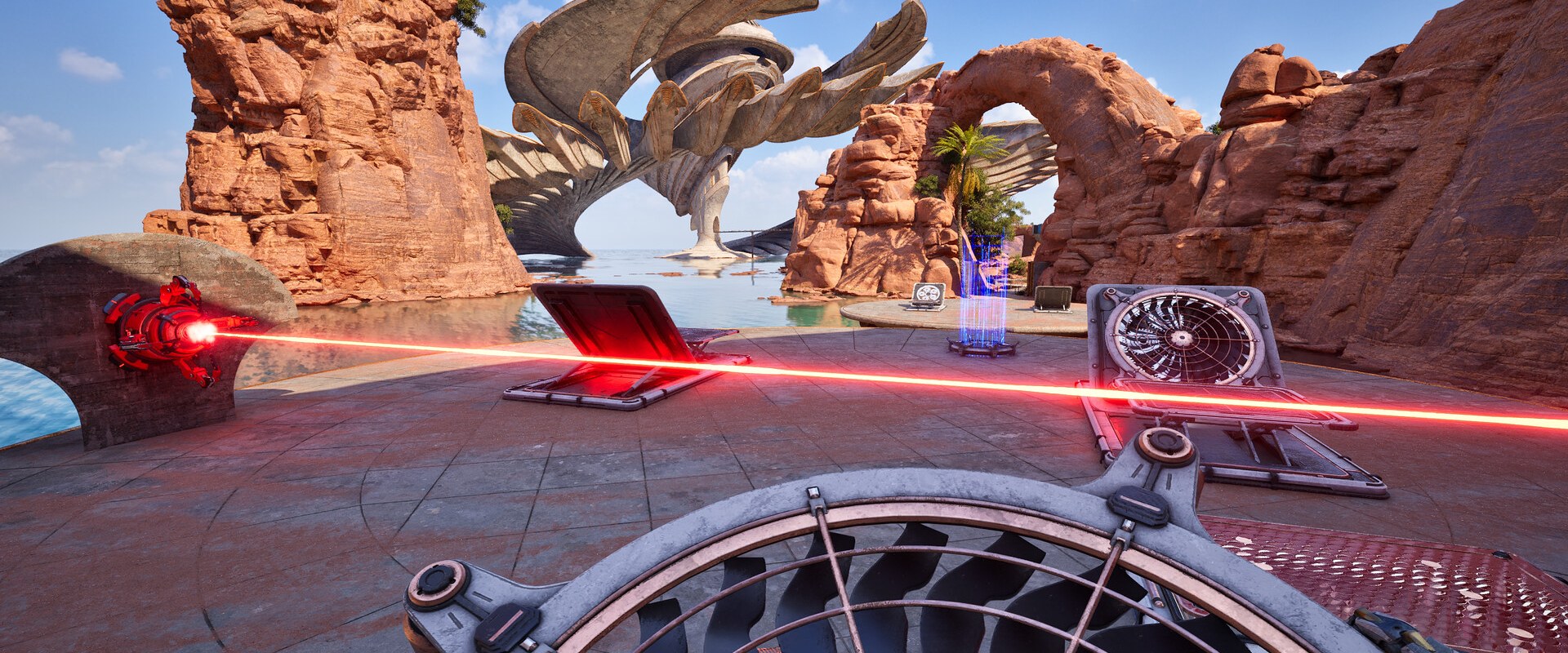
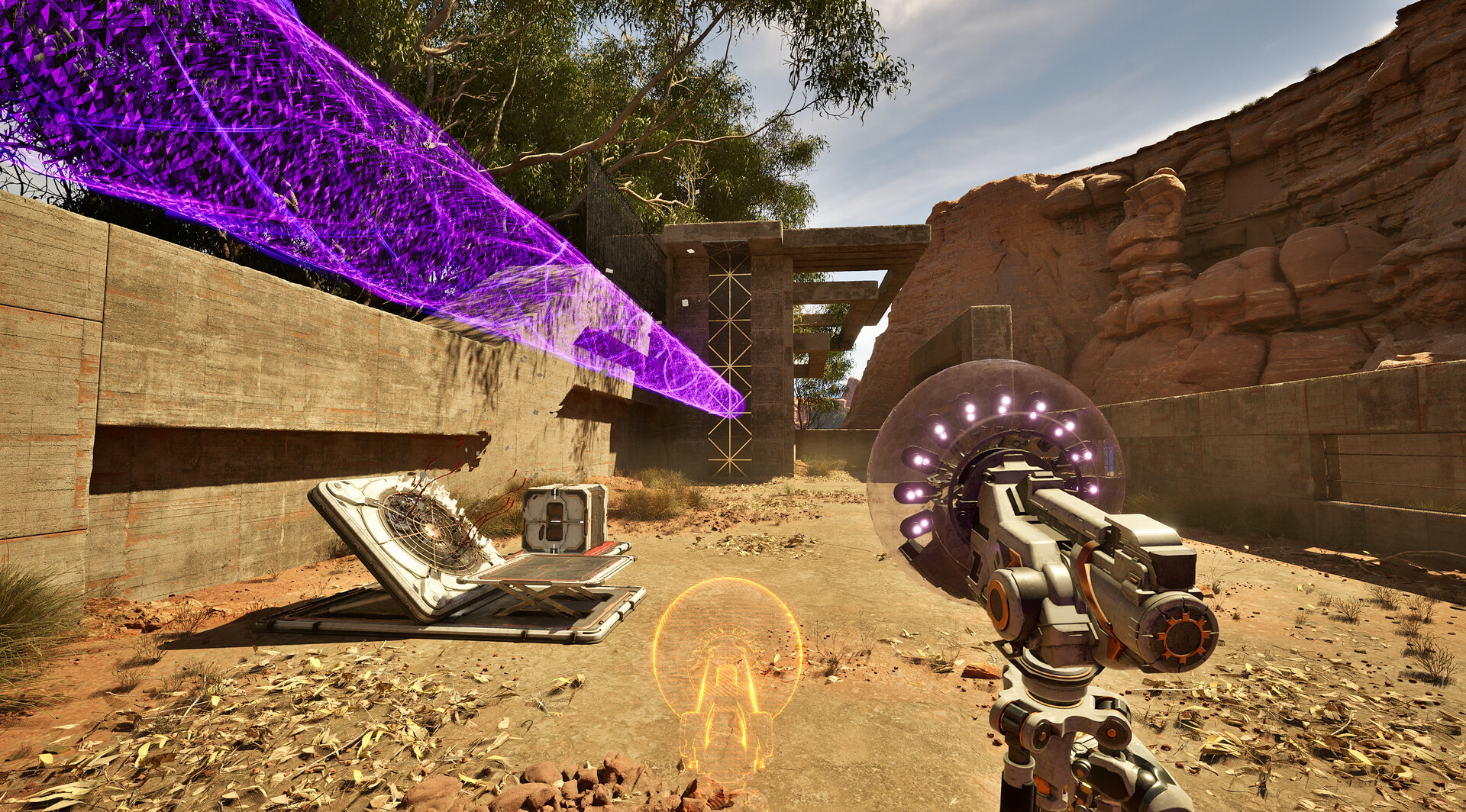
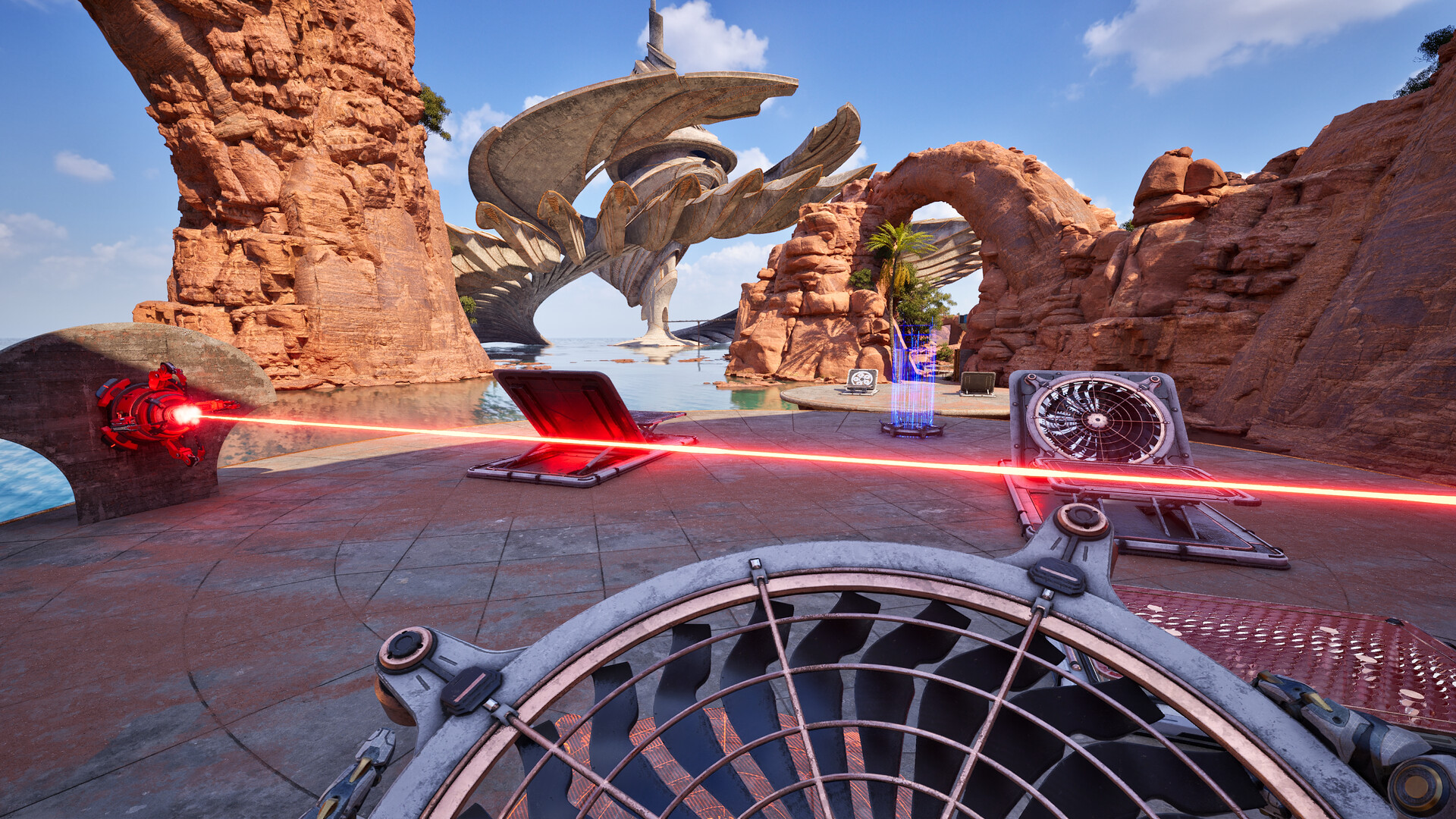
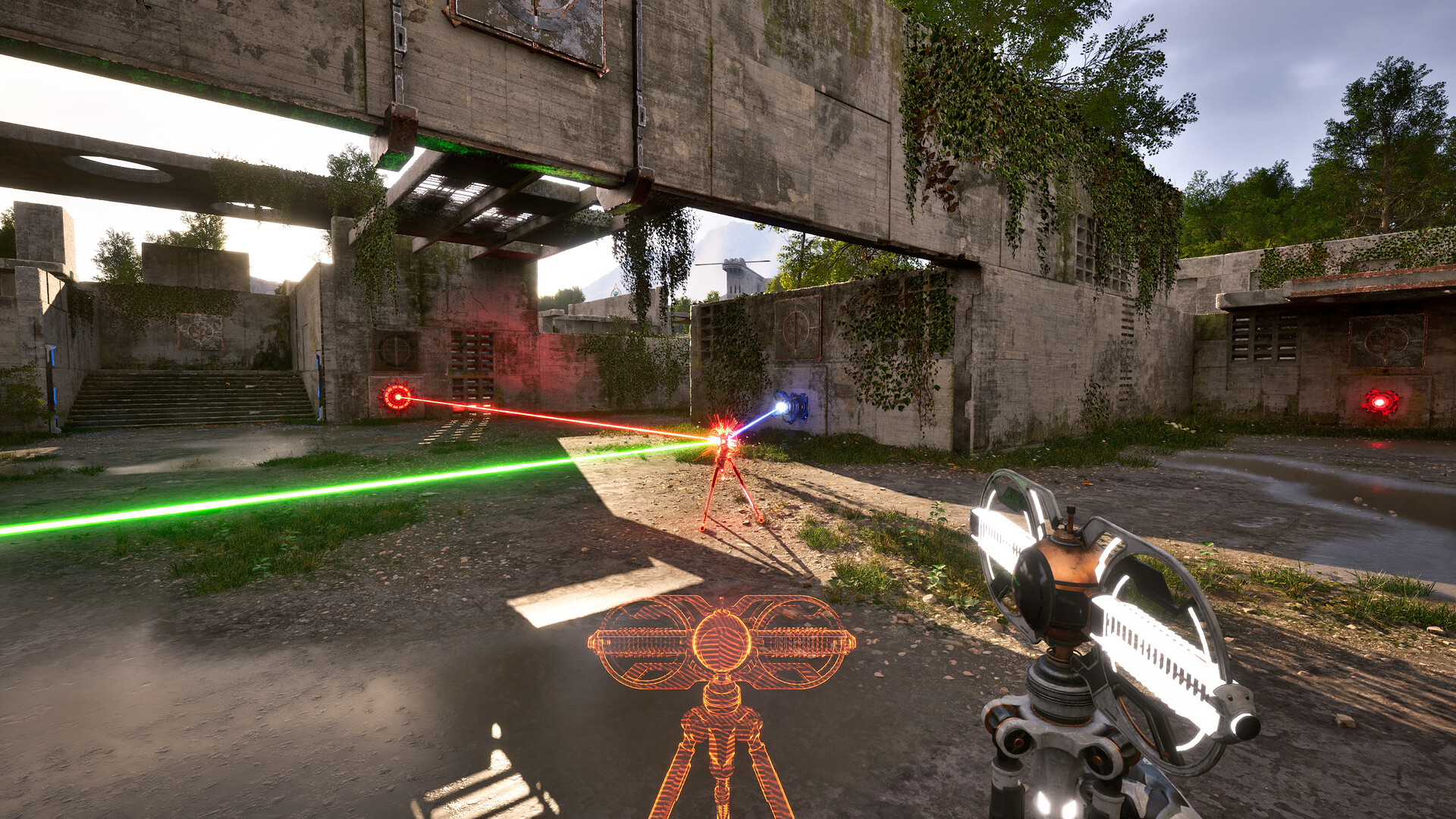
The basic principle stays familiar: in self-contained puzzle rooms, you use tools such as jammers, light connectors and cubes to overcome barriers and reach a goal. New additions include a tool for redirecting light colors and a device that lets you swap objects.
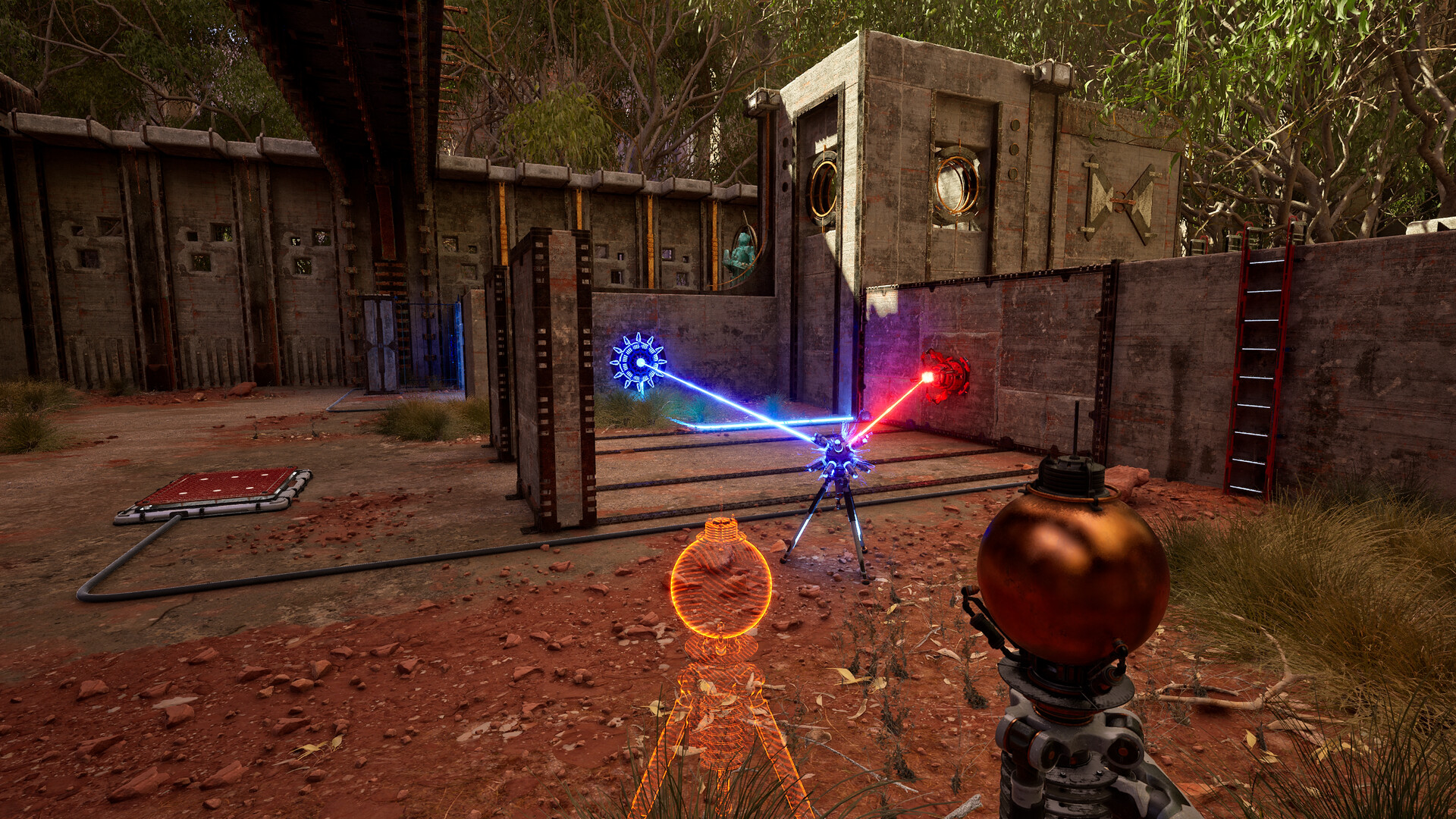
The puzzles are spread across large, open areas. You're free to choose which ones to tackle first and find hidden bonus challenges along the way. The difficulty ramps up gently, but later puzzles demand real outside-the-box thinking.
Occasionally, some puzzles feel too similar, and the walks between areas drag. Overall, though, the design is top-notch.
Story and philosophy
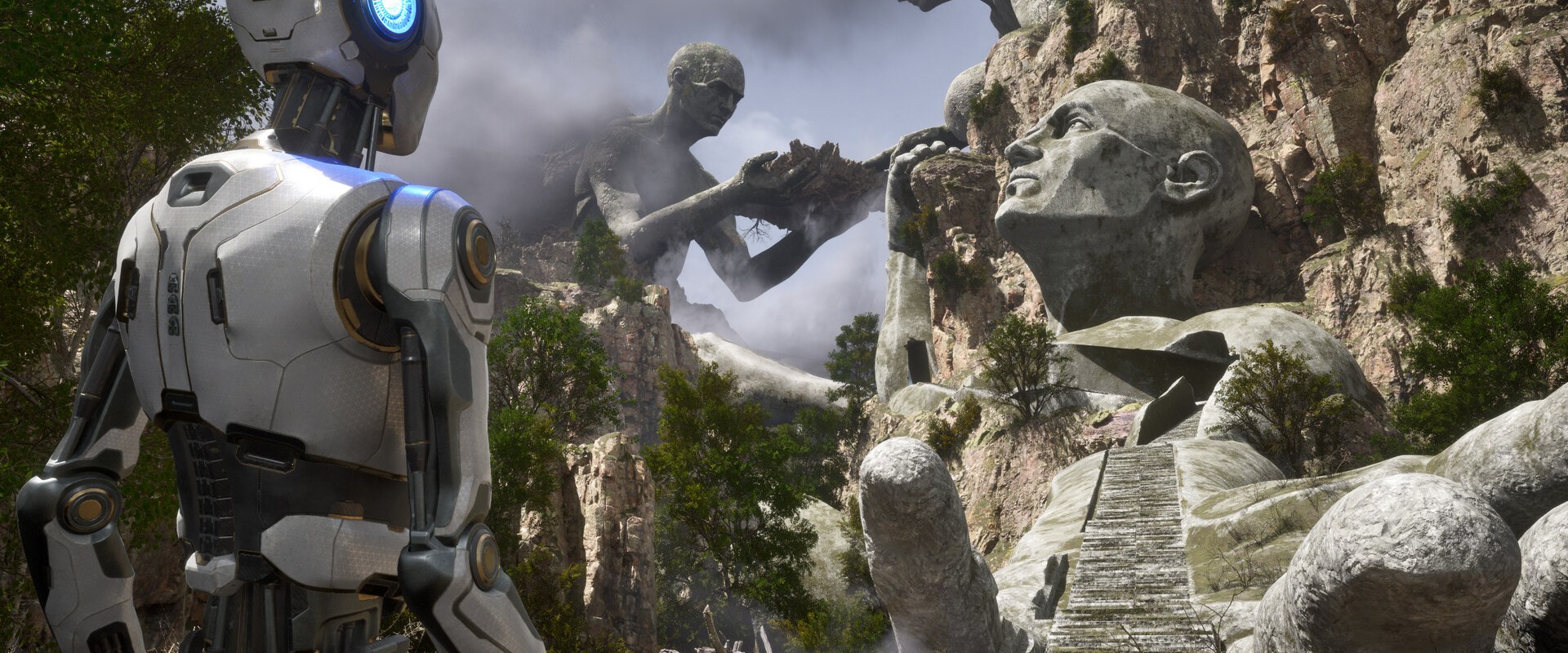
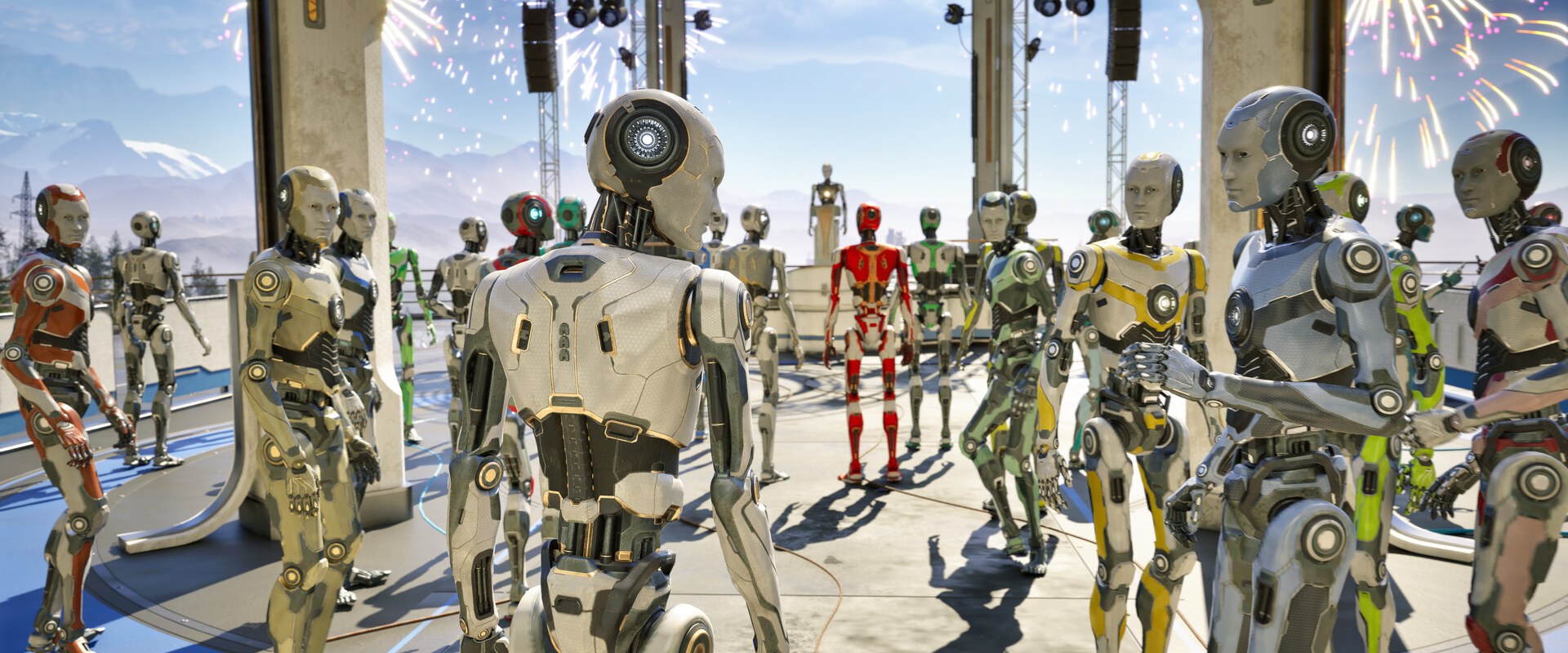
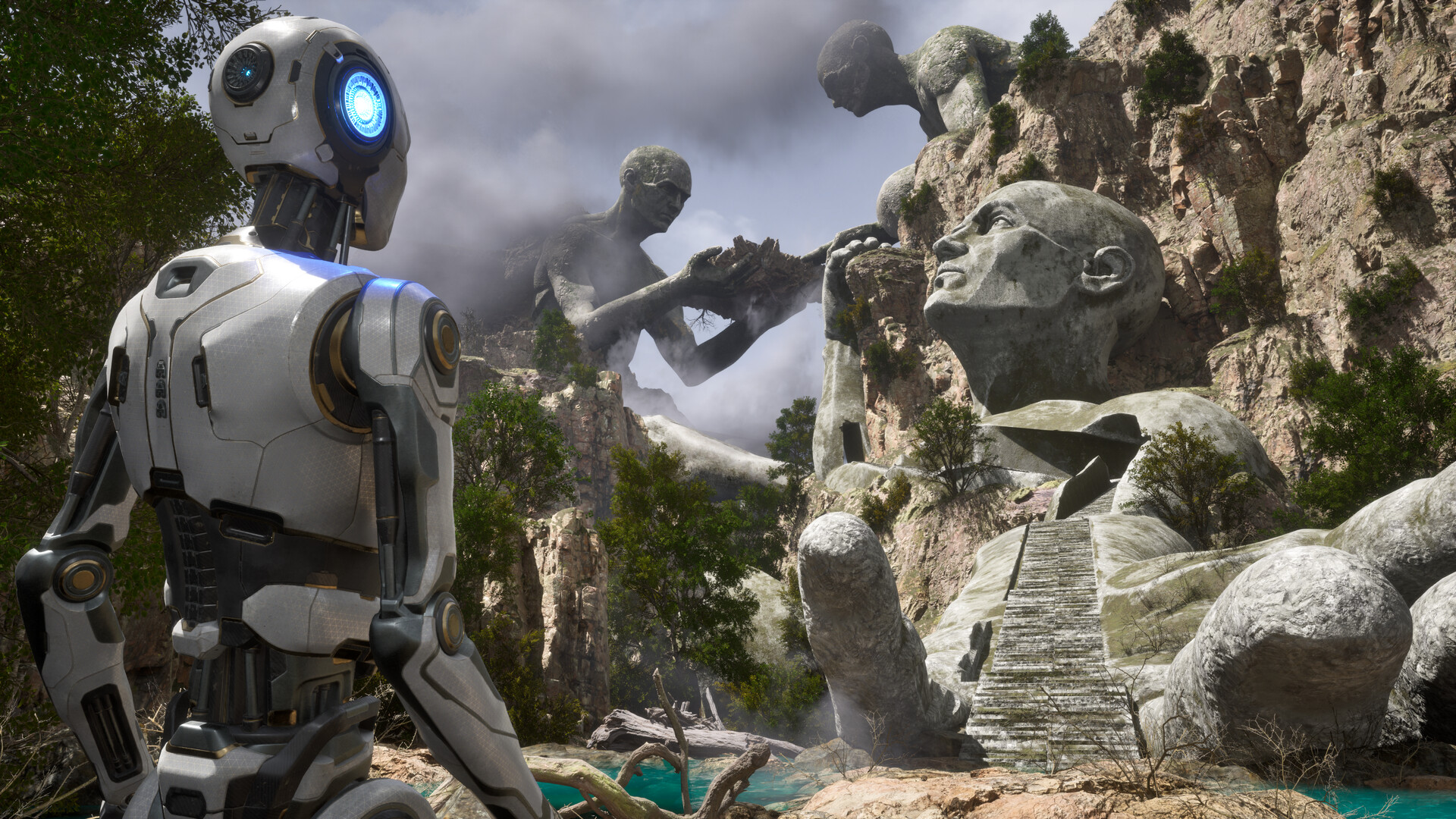
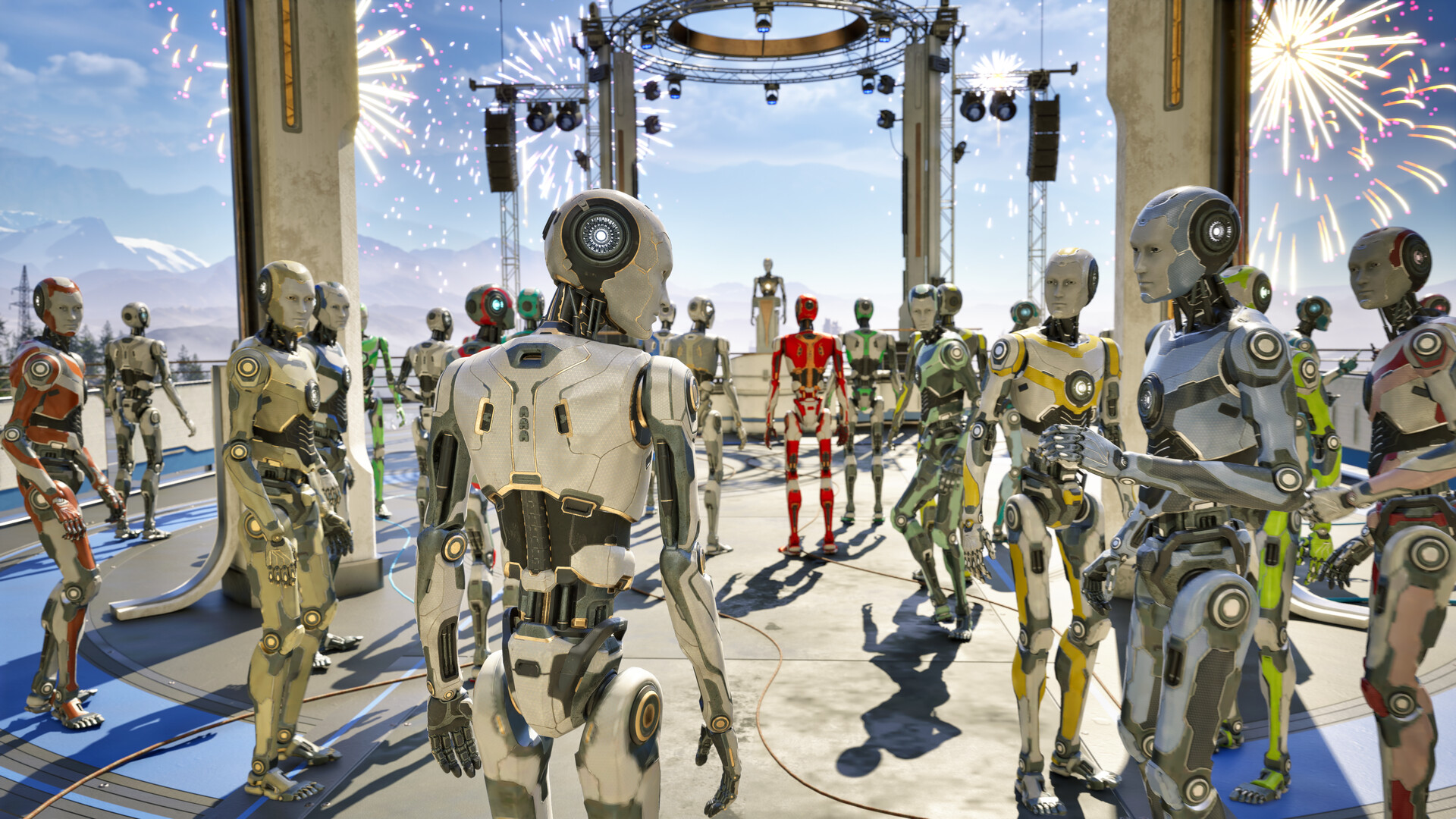
You play 1K, the thousandth robot created in the city of New Jerusalem. Shortly after your birth, a mysterious megastructure appears on an island, and an expedition sets out to investigate it. The story asks big questions about progress, responsibility and what it means to be human.
It's carried by numerous conversations with well-written characters. You make choices that lead to different endings. If philosophy isn't your thing, you can skip a lot, but you'll miss a big part of the appeal. Plan on 25 to 35 hours to see everything.
Graphics, sound and tech
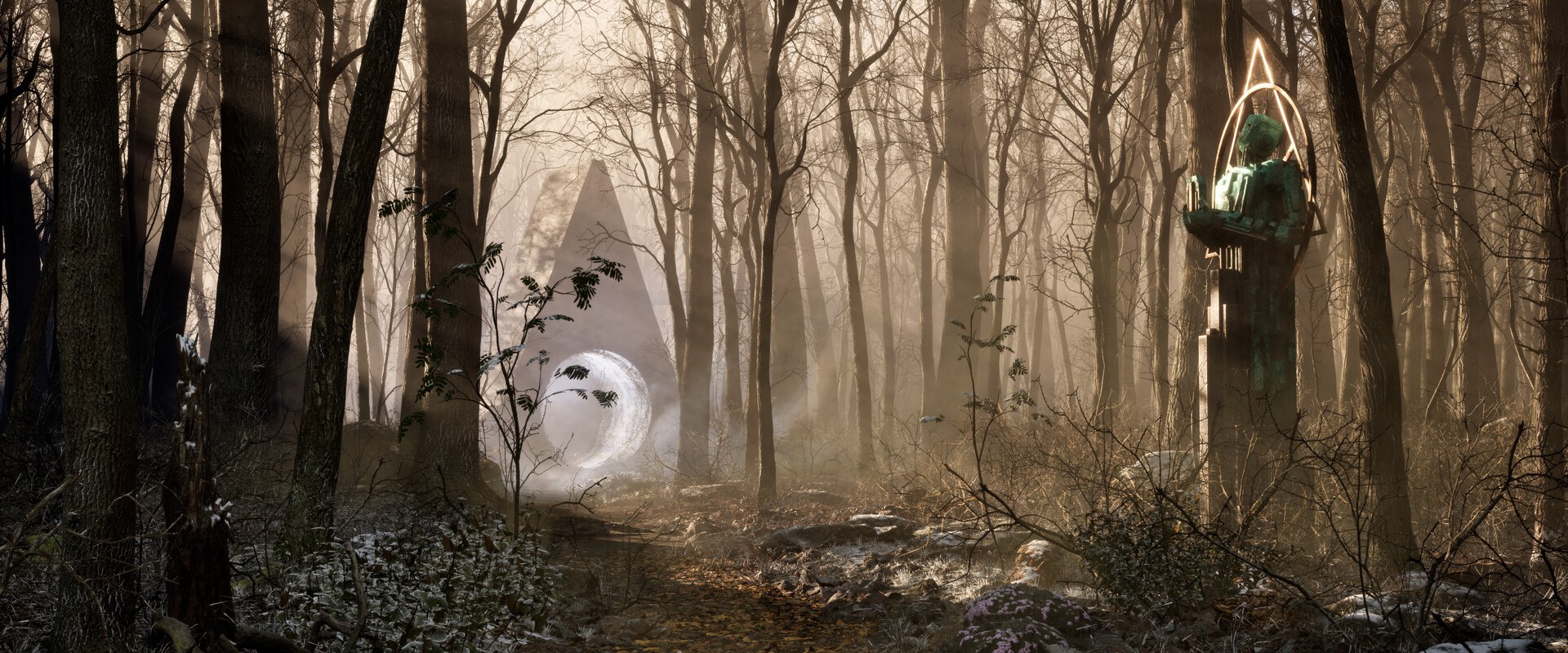
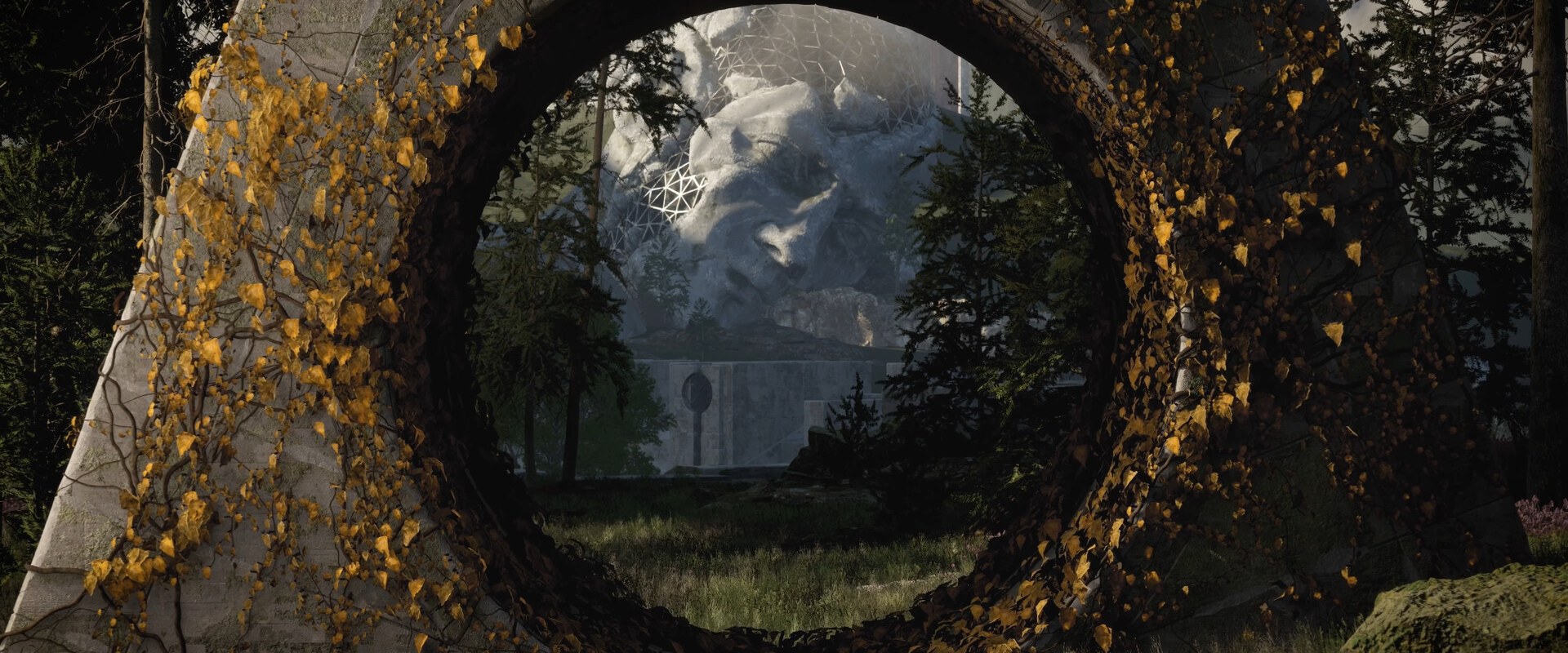
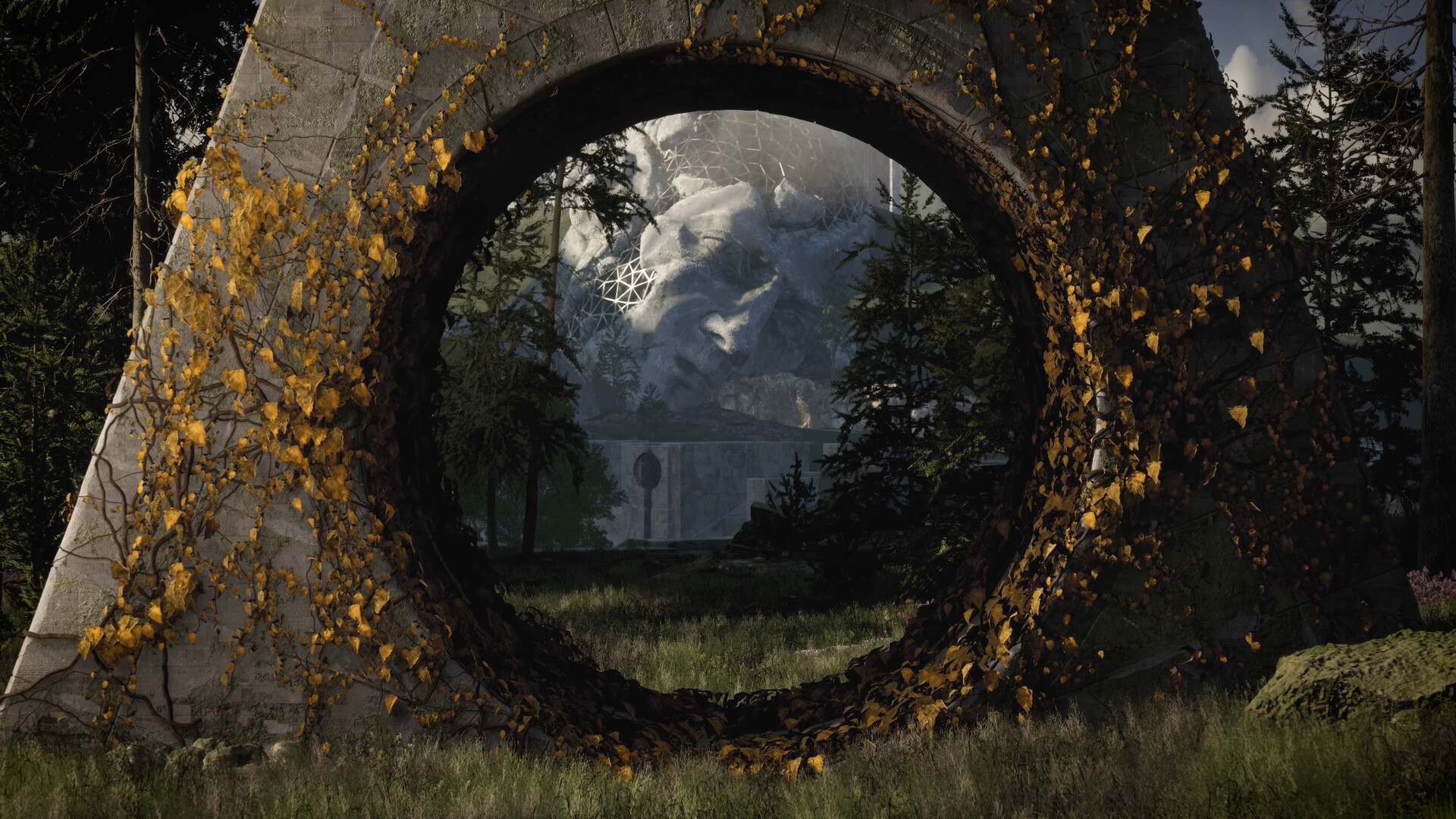
Croteam uses Unreal Engine 5, and it shows. The landscapes are sprawling and detailed, and the megastructure is imposing. Damjan Mravunac's calm soundtrack perfectly fits the contemplative mood.
The hardware requirements are significantly higher than the predecessor's. You'll find the exact specs in the table below this article. On Steam Deck, the game is Verified but only runs with reduced detail.
You can read more about the studio on our Croteam page, and more about the publisher at Devolver Digital.
Scores at a glance
| Source | Score | As of |
|---|---|---|
| PlayInsider | 89 out of 100 | Oct 26, 2026 |
| Steam user reviews | Very Positive (around 94% positive) | Oct 25, 2026 |
System requirements (PC)
| Minimum | Recommended | |
|---|---|---|
| Operating system | 64-bit Windows 10 (version 2004 or newer) | 64-bit Windows 10 (version 2004 or newer) |
| Processor | 4 core CPU @ 2.5 GHz (AMD Ryzen 5, Intel core i3/i5) | 6 or 8 core CPU @ 3.0 GHz (AMD Ryzen 7, Intel core i5/i7) |
| graphics card | 4 GB VRAM; Radeon RX 470, GeForce GTX 970, Intel Arc A580 | 8+ GB VRAM; Radeon RX 6800, GeForce RTX 3070, Intel Arc B580 |
| Memory | 8 GB RAM | 16 GB RAM |
| storage | 75 GB available space | 75 GB available space |