The Legend of Zelda: Ocarina of Time is back. Nintendo rebuilt Link's 1998 adventure from the ground up for Nintendo Switch 2, and the remake has been out exclusively on the new console (official store page) since November 5, 2026. Here's what's changed, what hasn't, and who should pick it up.
In this review
Rating and verdict
A classic that, by every official account, has been rebuilt with care and serious effort – very good, with room to go higher.
Verdict: Based on everything Nintendo has shown and described, this Ocarina of Time isn't a quick touch-up but a serious reimagining. New visuals, voiced cutscenes, an orchestral score and modernized controls meet the design that defined 3D Zelda. For newcomers, this is likely the best way to experience the classic. Veterans get a familiar adventure in new clothes, and the full €59.99 price is a bold ask for a remake.
Pros
- Completely rebuilt visuals
- Free camera and jump button modernize the controls
- Voiced, expanded cutscenes
- Orchestral soundtrack
- Very stable 60fps, per analysis
- Threads of Time as an optional guide
- Hum ocarina songs into the microphone
Cons
- €59.99 for a remake of a 1998 game
- Nintendo Switch 2 only
- The core adventure is familiar – few real surprises for veterans
- Amiibo masks don't arrive until 2027
- Some edge shimmering from SMAA/FSR 1 (per analysis)
How we rate
- 90–100Legendary
- 8680–89Very good
- 70–79Good
- 60–69Okay
- 50–59Mediocre
- < 50Weak
At PlayInsider we rate every game individually and always against the expectations of its genre. We judge the story of an action game or adventure by its narrative quality. In a simulation or management game, on the other hand, what counts is what the genre typically offers. This keeps our ratings fair and comparable within a genre.
Story: The Hero of Time, retold
Ganondorf is after the Triforce in the Sacred Realm, and young Link has to grow into the Hero of Time with his fairy partner Navi. According to Nintendo, the plot stays intact, but characters are now voiced in expanded cutscenes and have a lot more to say. For a story many players have known for nearly 30 years, that's the most obvious and most intriguing change: it can give characters more depth, but it also shifts the tone of the silent original.
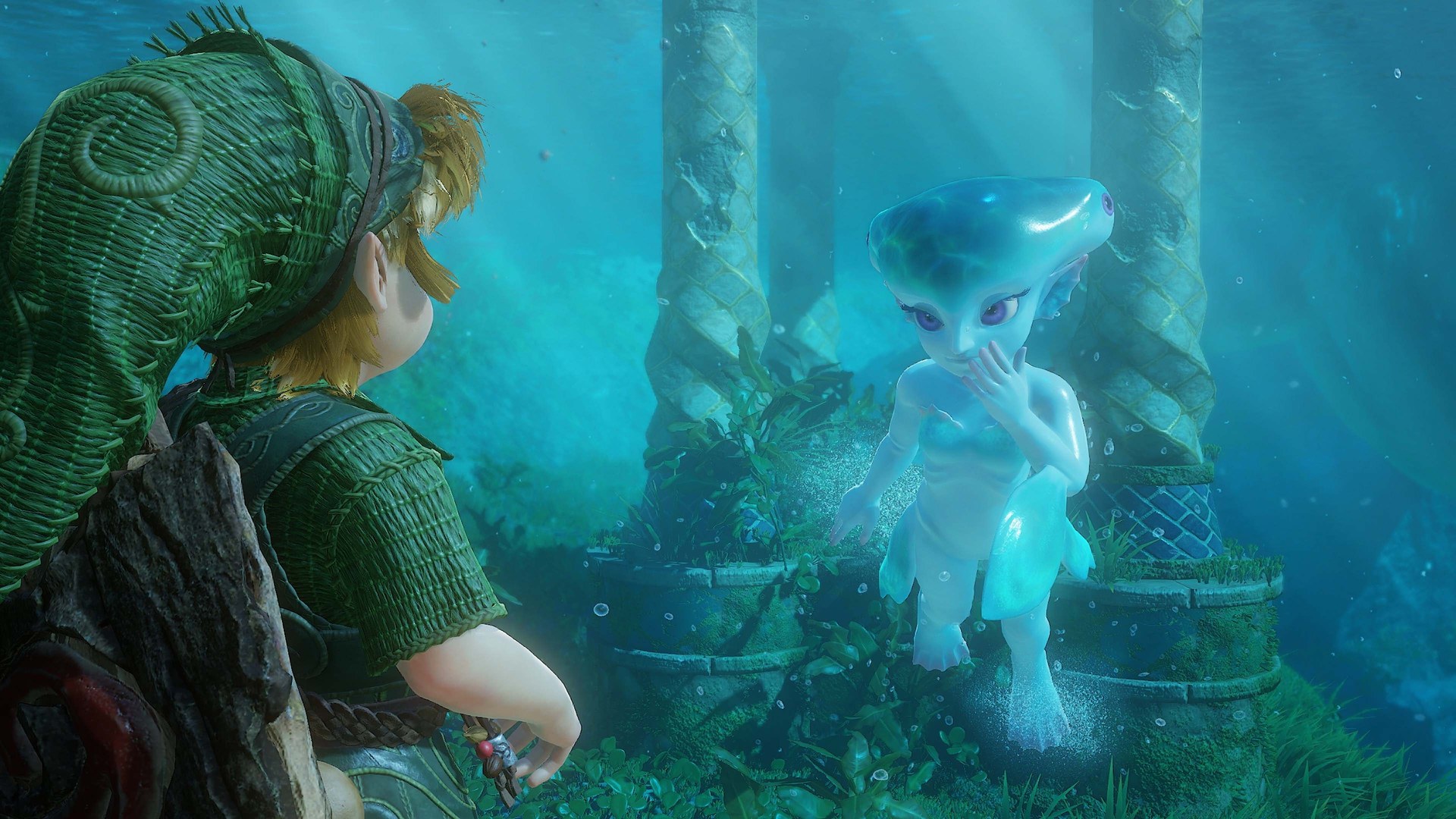
Graphics: A fully rebuilt Hyrule
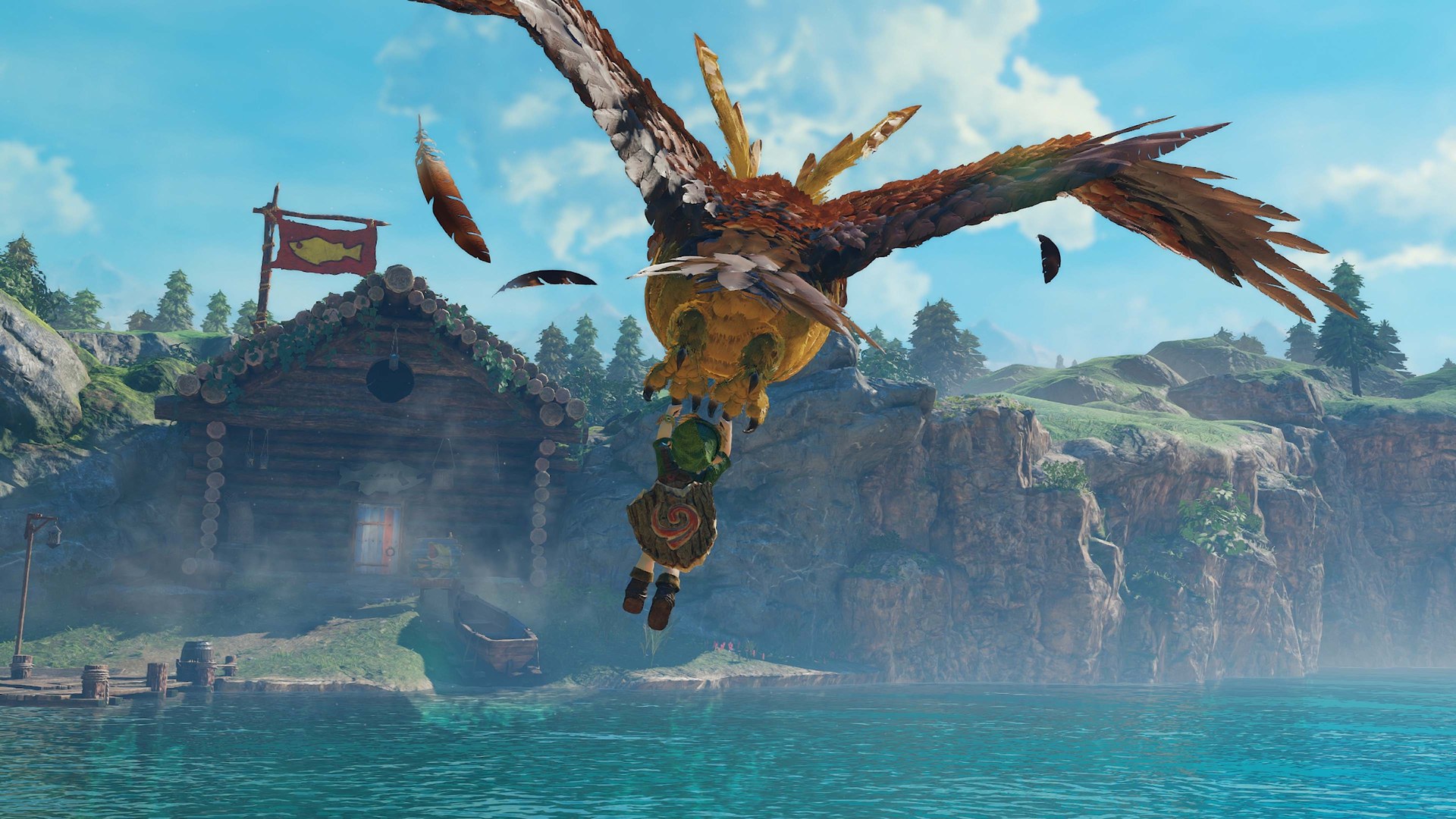
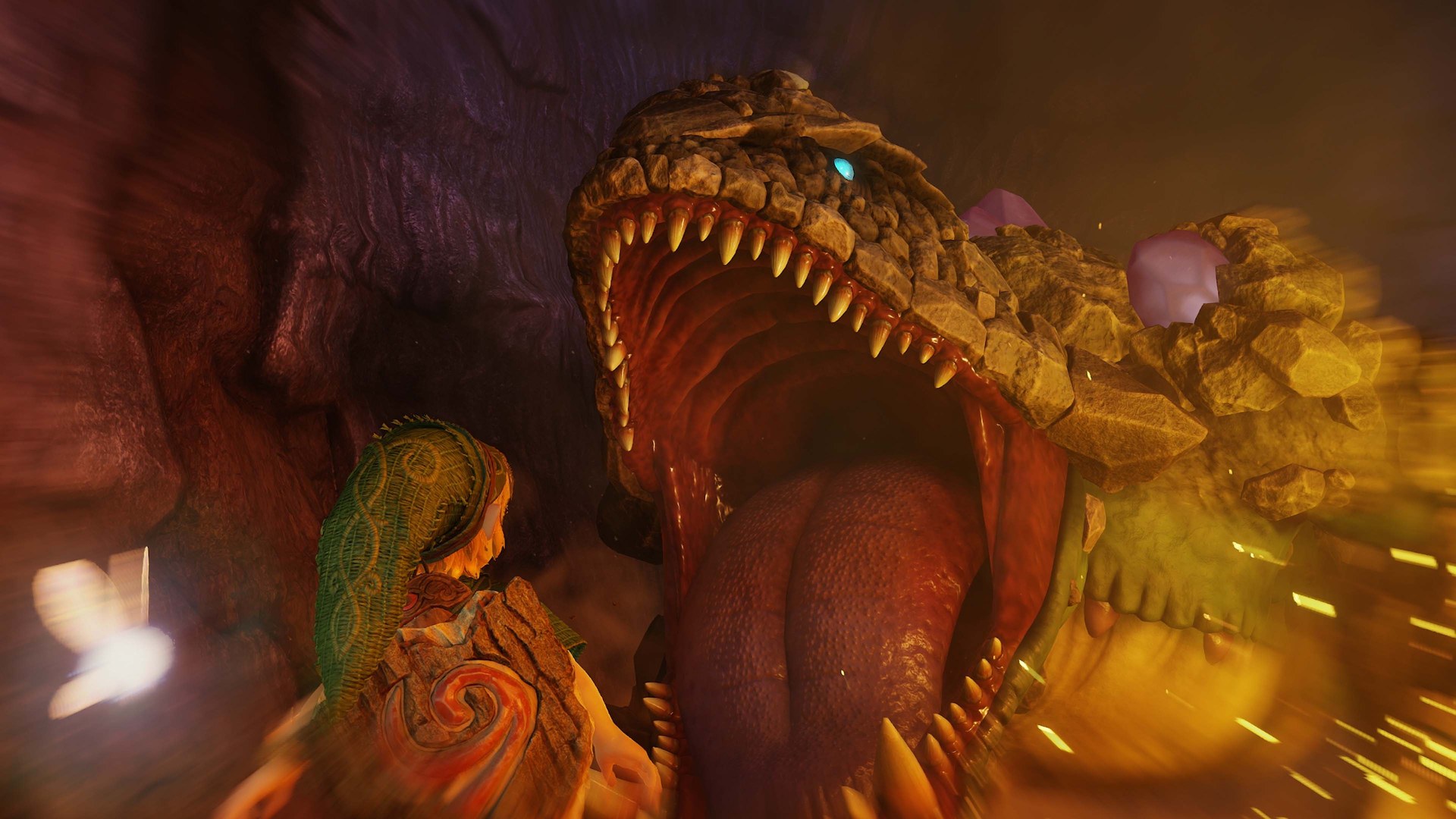
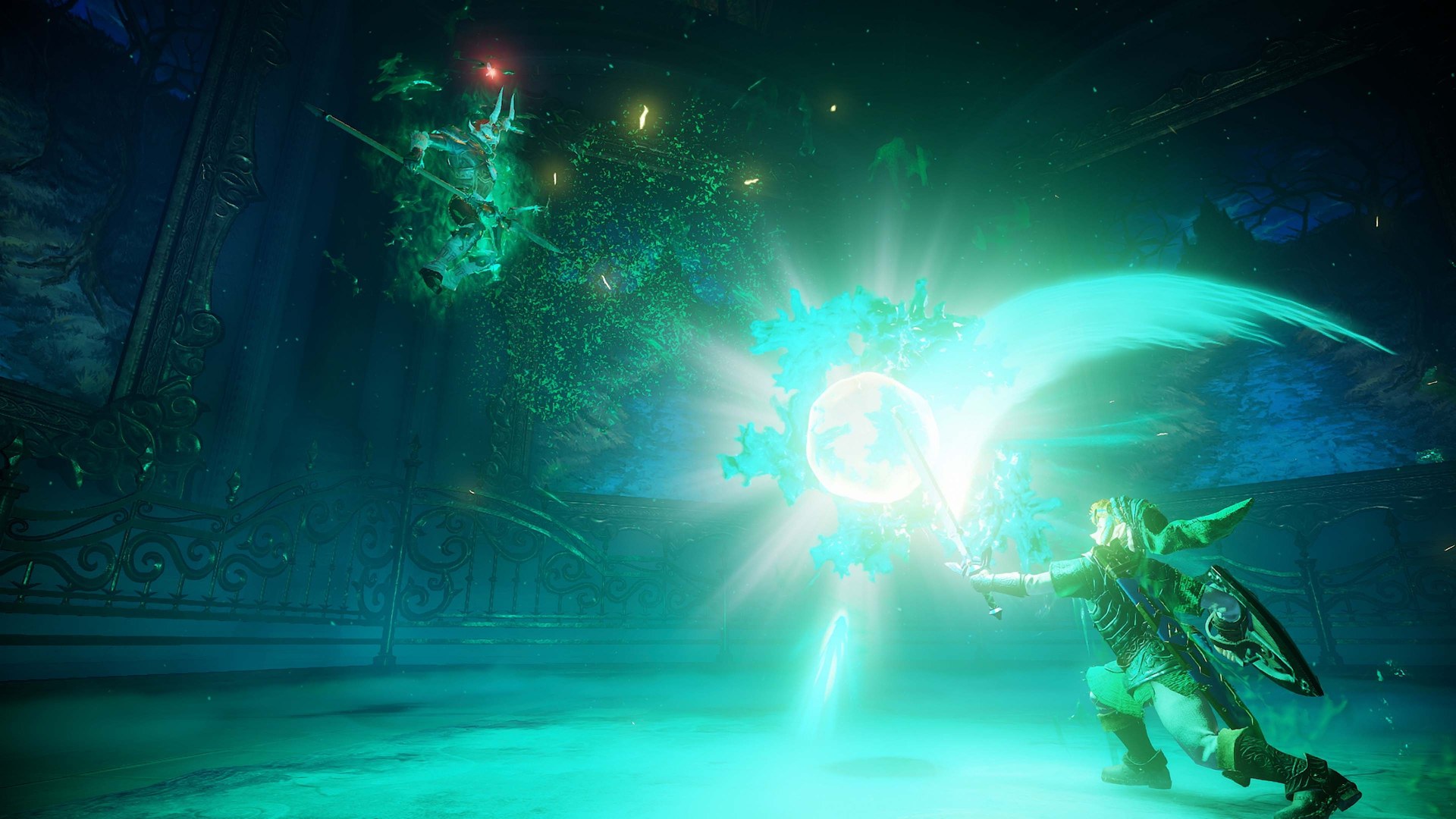
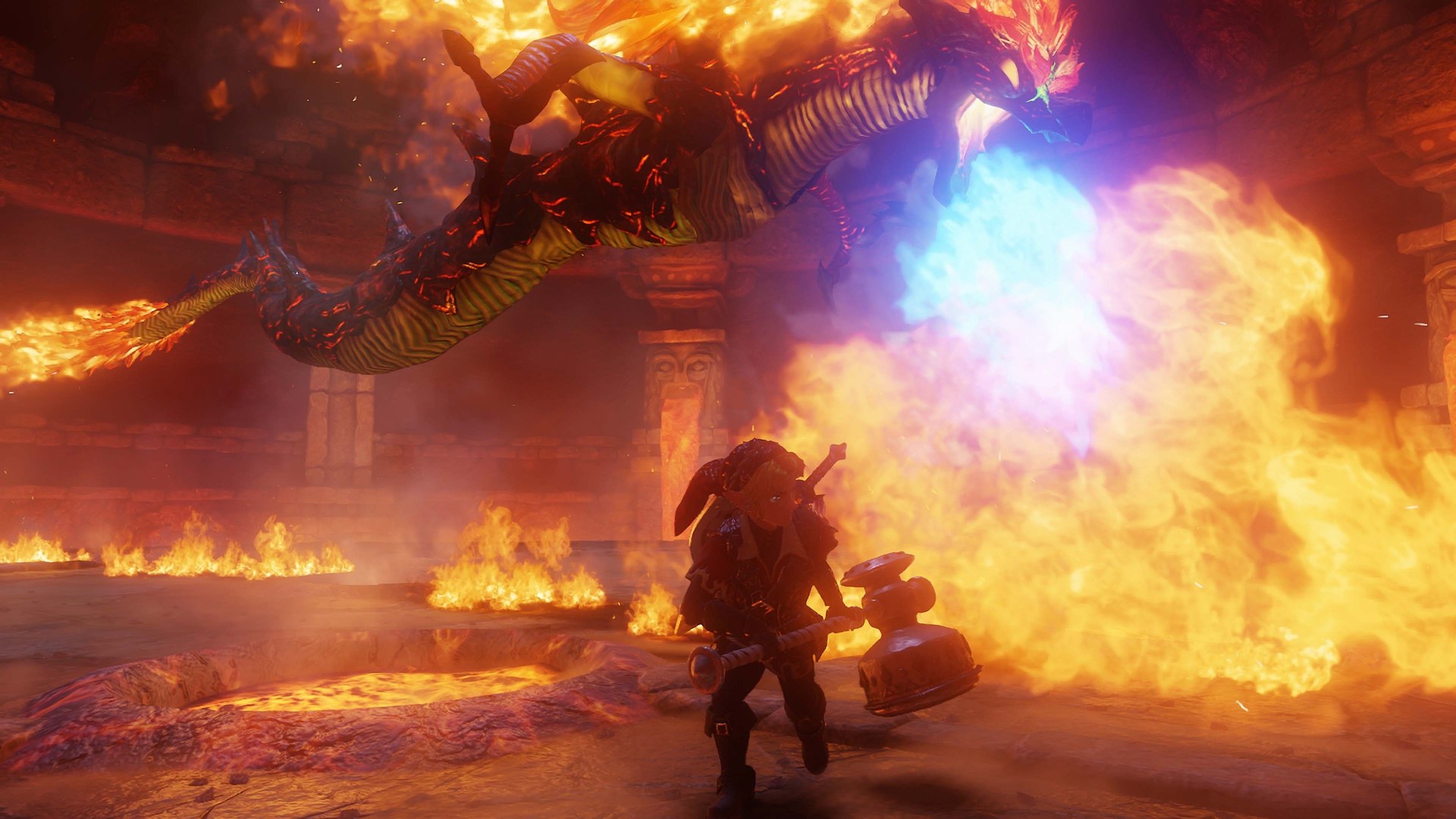
Nintendo says the visuals have been overhauled right down to individual material textures. Locations are remodeled, and you can move the camera freely with the right stick. The official shots show detailed landscapes, redesigned characters and moody lighting that leaves little of the original's low-poly look behind.
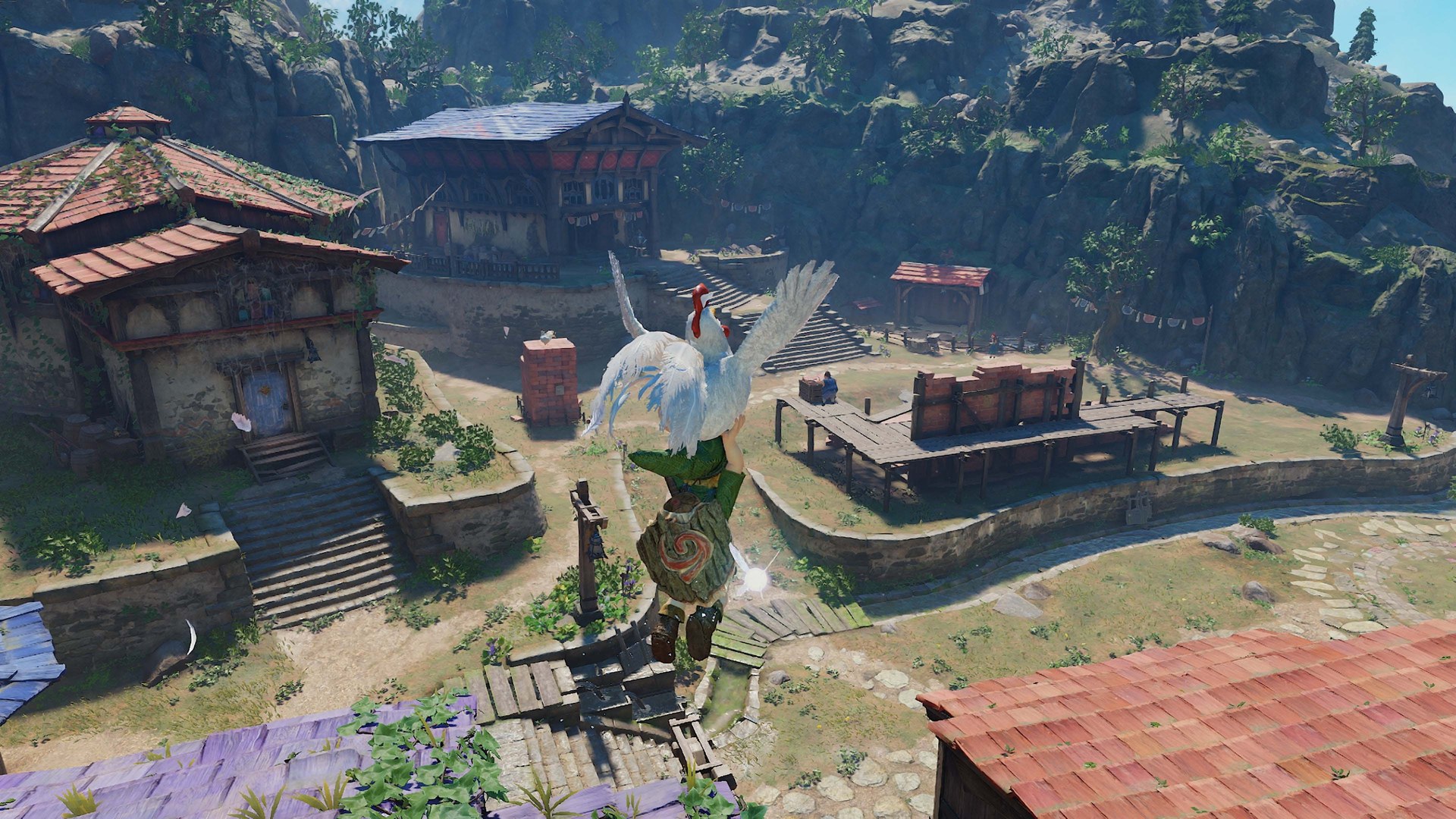
Gameplay: Jumping, humming and Threads of Time
The biggest changes on paper: Link can now jump on a button press, actions feel snappier, and the camera is fully free. The new Threads of Time feature shows your story progress and next objective at any moment while a large tapestry slowly fills in. The most charming addition: hum a song Link has learned near the Switch 2 microphone and he'll play it on his ocarina – Nintendo says it works with real instruments too. The core of dungeons, puzzles and lock-on combat stays the same.
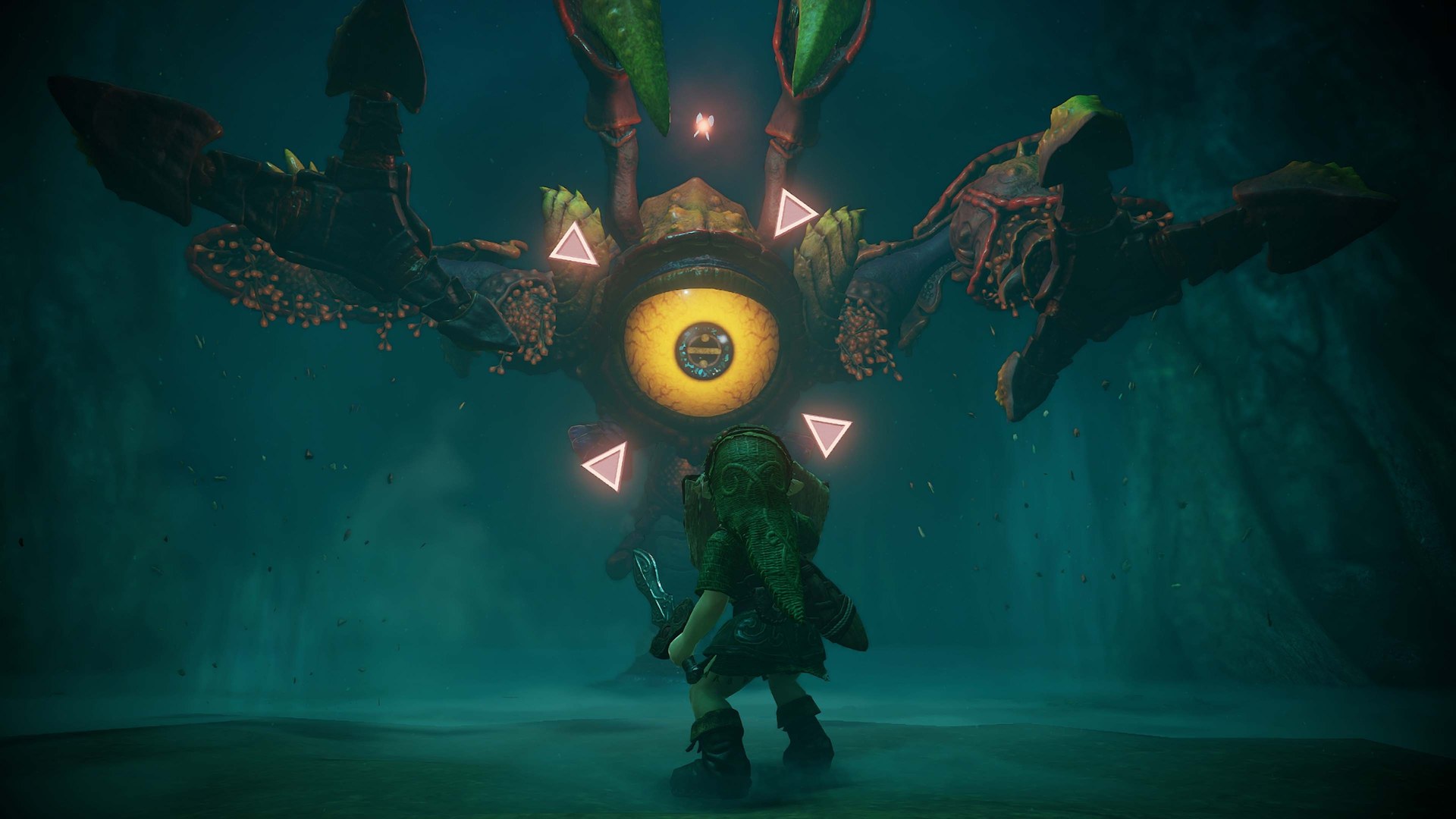
Depth: More than a fresh coat of paint
Beyond the original's dungeons and side content, Nintendo lists new extras: a new hall where you can study and rematch defeated enemies, hidden fairy thoughts with bits of lore, ZELDA NOTES support in the Nintendo Switch App, and Young Link and Young Zelda amiibo arriving in 2027 that unlock retro-style masks.
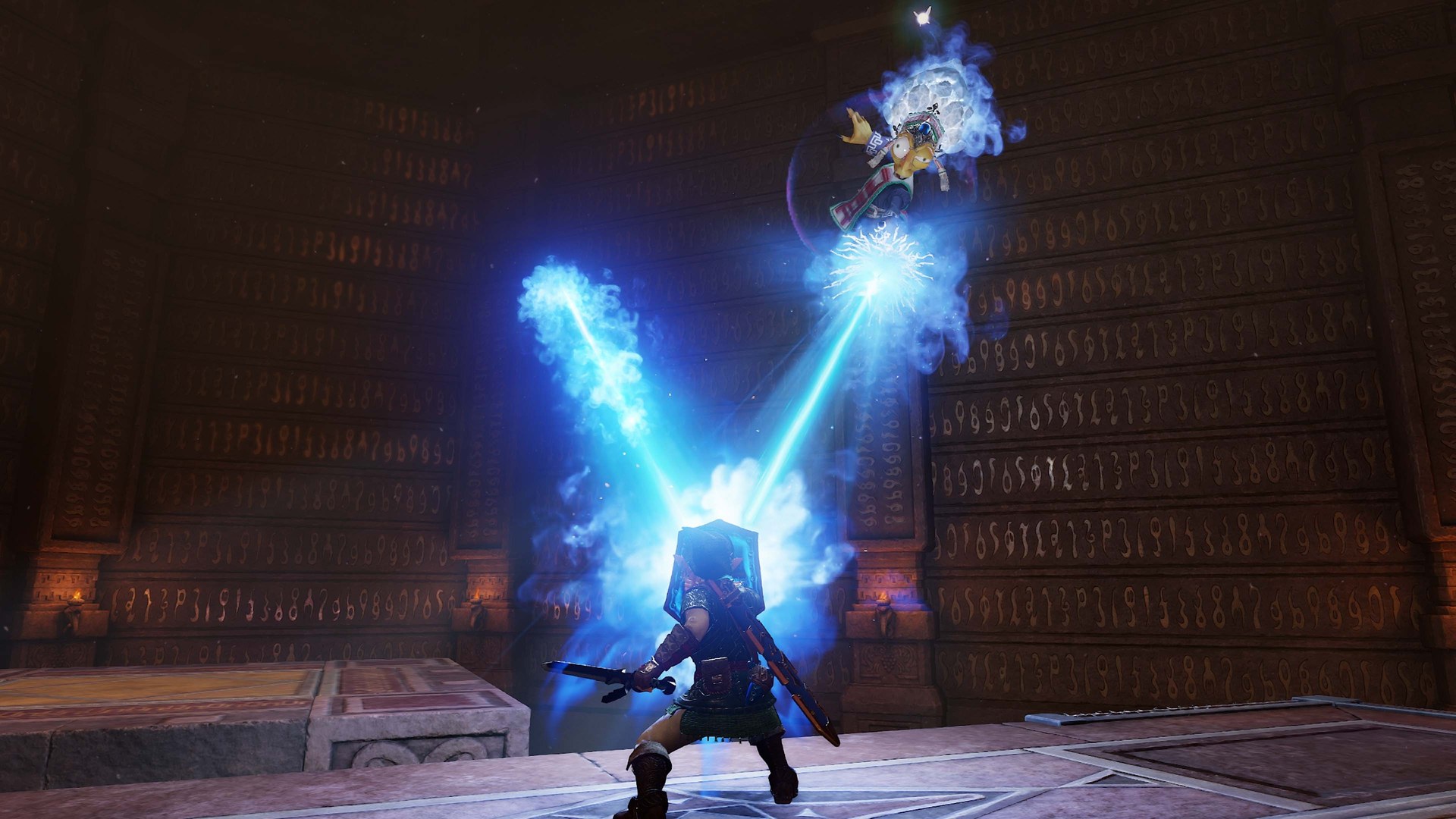
Performance: What the analysis shows
We haven't run our own measurements. Digital Foundry's tech analysis (summarized by Nintendo Life and GoNintendo, Nov 4, 2026, Switch 2 launch version) found the following: the remake holds a very stable 60fps both docked and handheld, with only tiny hitches during loading. Resolution scales dynamically between 1080p and 1440p docked and between 720p and 1080p handheld. Instead of DLSS, Nintendo uses SMAA and FSR 1, which the analysis says causes some shimmering and softness on fine edges. Handheld mode trims level of detail and texture filtering, and HDR is described as underwhelming. Praise goes to physically based materials, global illumination, reactive fog and a fully seamless Castle Town.
Sound: An orchestra instead of N64 synths
Nintendo says the soundtrack has been rearranged for full orchestra and the sound effects refreshed. According to Digital Foundry, the originally sample-based tracks were re-recorded with real instruments while keeping the dynamic music system, joined by voiced cutscenes and surround support. The available sources don't offer an in-depth critique of the music or voice cast.
Release, price and platform
The Legend of Zelda: Ocarina of Time launched on November 5, 2026, exclusively for Nintendo Switch 2, both digitally and physically. It costs €59.99 on the German eShop, is rated USK 12, and Nintendo lists twelve supported languages. It's the second visual remake of the classic, after the 1998 Nintendo 64 original and Ocarina of Time 3D on 3DS in 2011.
Gallery
Trailer
Who is it for?
If you've never played Ocarina of Time, or only remember it fondly, this looks like the most accessible and modern version yet. If you know the original or the 3DS version well, the visuals, voice acting and orchestral score are the main reasons to jump in, because the adventure itself stays familiar.