
In Grand Theft Timeline, developer and publisher REAL PLAYERS lets us build a time machine, kidnap historical and invented characters, and stash them in a garage. The game entered Early Access on Steam on 19 November 2026, with a long early period planned through the end of 2028. We spent most of our time in co-op and on the collecting loop — and we spent just as much time fighting the technical issues.
In this review
A lot of world, not enough polish
Click a circle to see the reasoning.
How we rate
- 90–100Legendary
- 80–89Very good
- 70–79Good
- 60–69Okay
- 50–59Mediocre
- 49< 50Weak
49WeakOur verdict
At PlayInsider we rate every game individually and always against the expectations of its genre. We judge the story of an action game or adventure by its narrative quality. In a simulation or management game, on the other hand, what counts is what the genre typically offers. This keeps our ratings fair and comparable within a genre.
When Grand Theft Timeline throws us through 200 eras
The loop is easy to grasp and rarely spelled out cleanly: travel to a world, clear enemies, capture NPCs or creatures, haul them home, and upgrade the garage, the machine and your gear. Every world has a boss. Around that sit guns, skins, pets and an arena. In co-op with up to four people it becomes a crooked little heist, and it made us laugh more often than we expected. That is also where it frays. Some encounters flood the screen so densely that we stop making plans and just flail. Progression often feels like a grind: another run, another currency, another key. We missed a tutorial that actually teaches the systems. Instead, too many prompts land at once, and more than once we lost the plot in the UI.
Blocky heroes in postcard landscapes
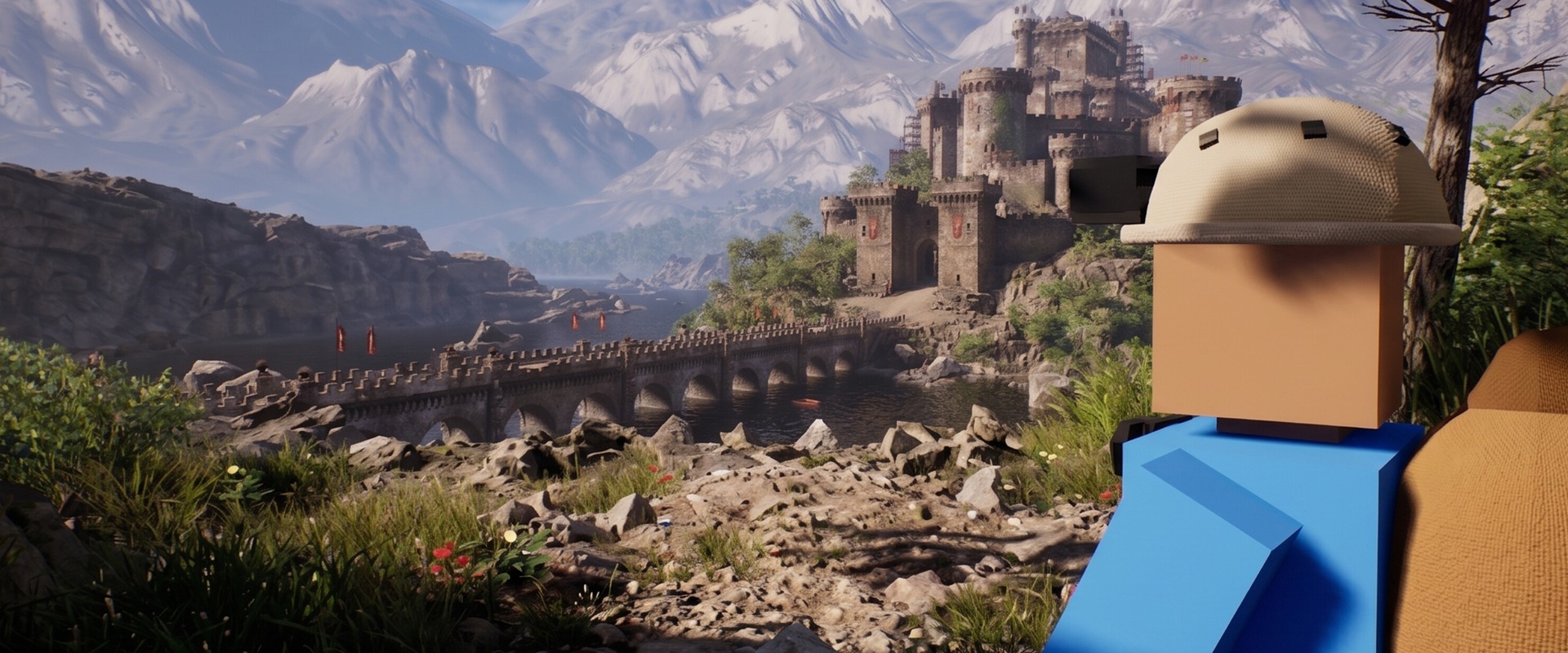
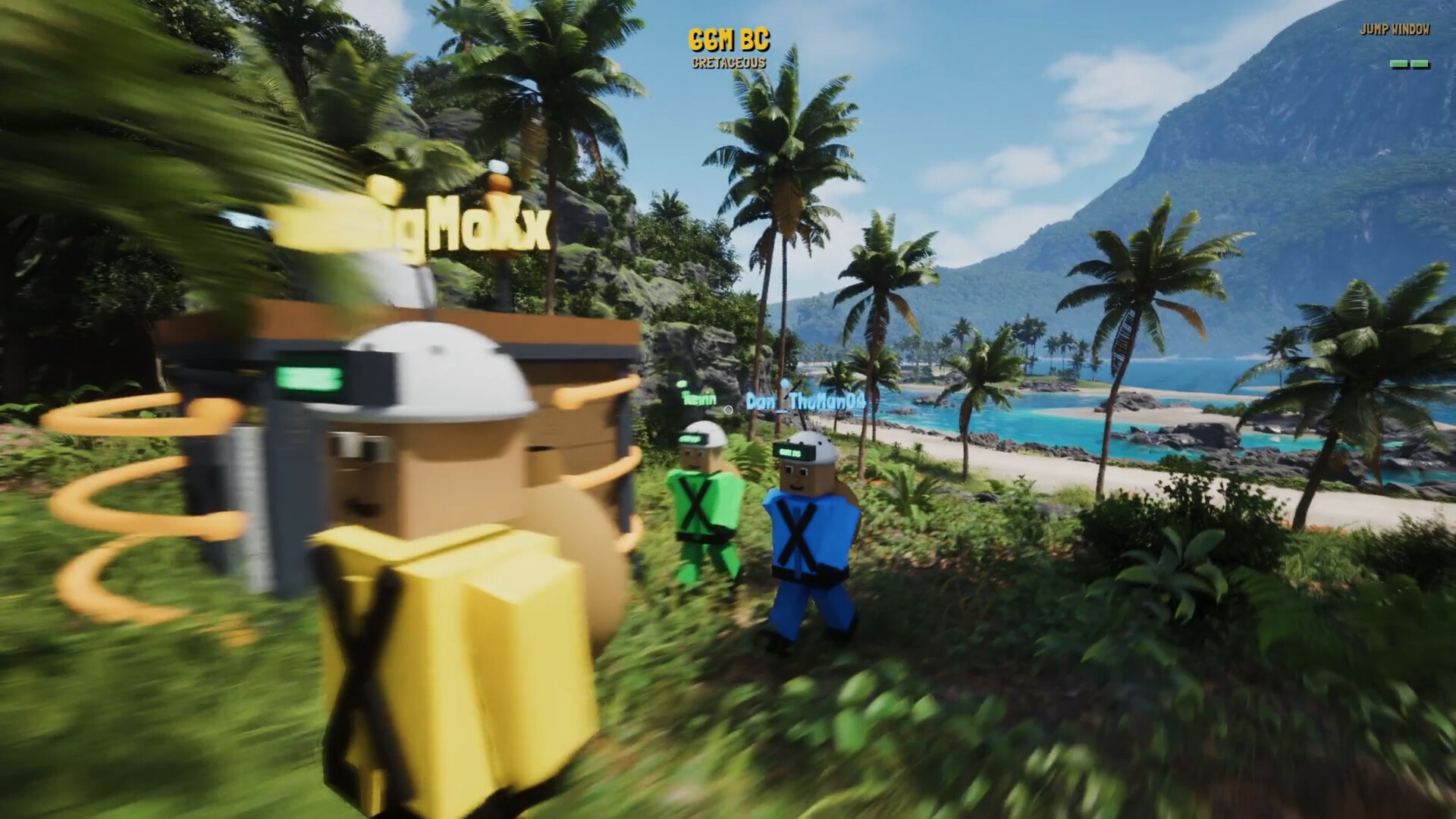
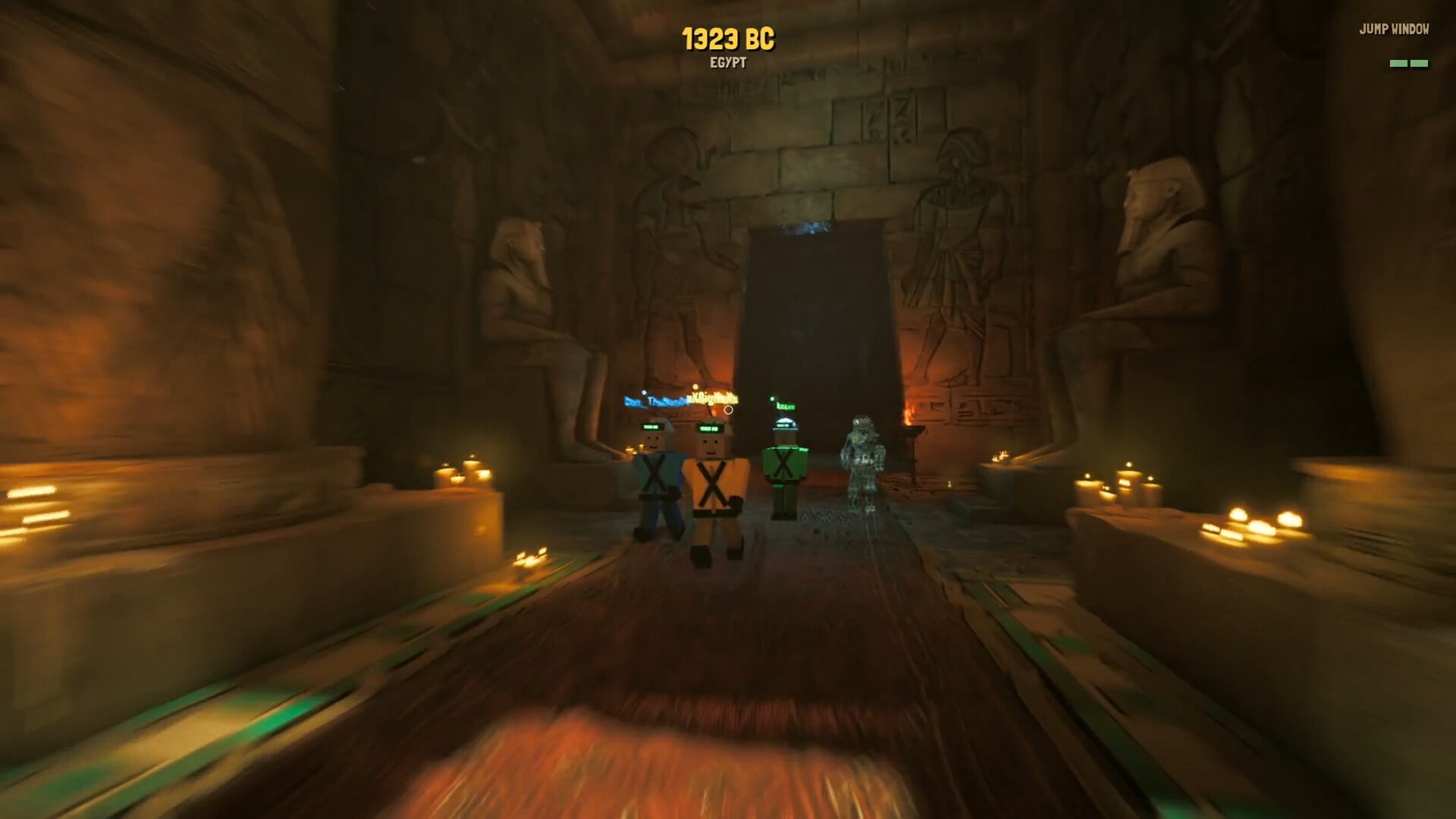
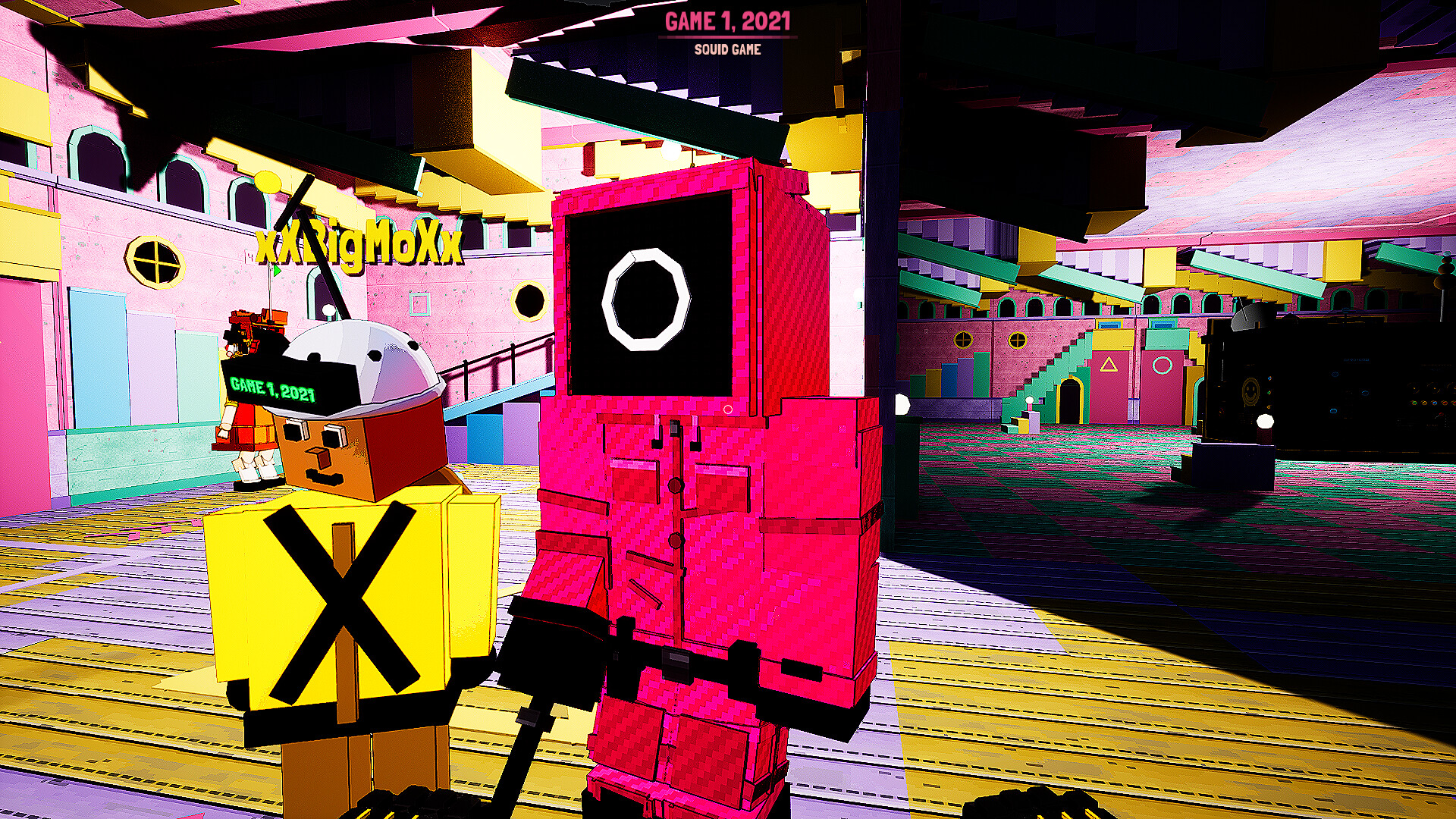
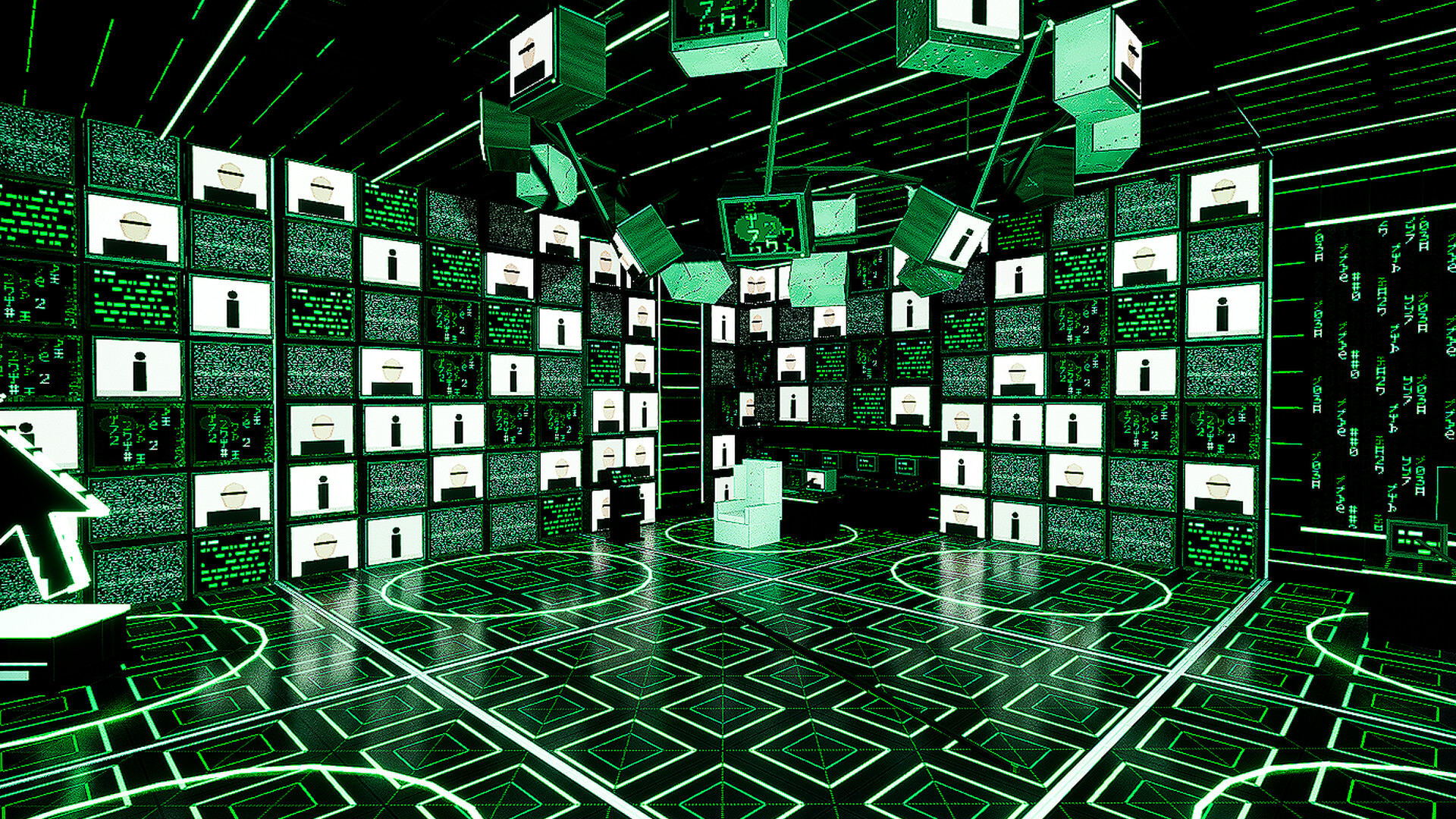
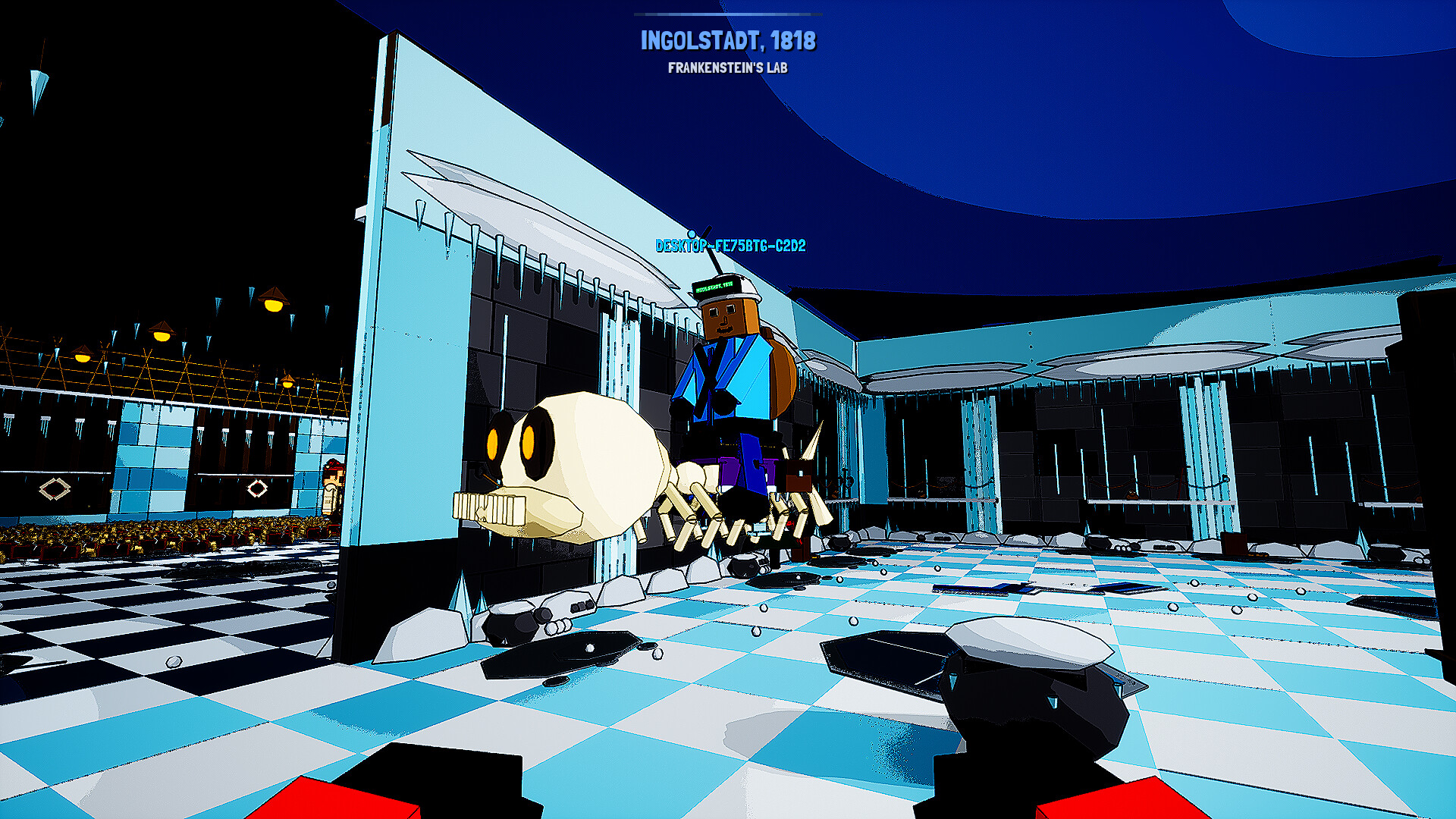
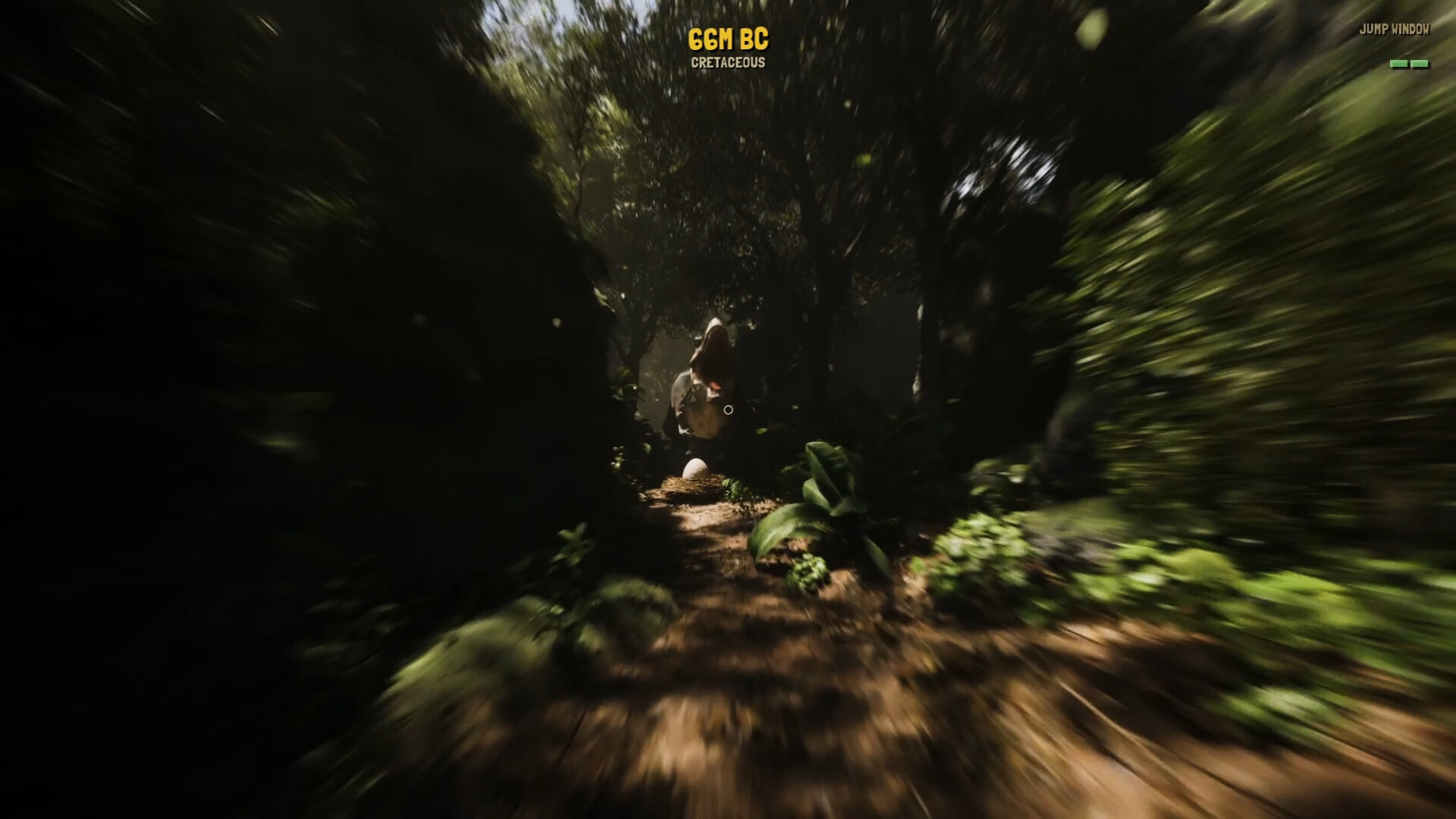
Visually, Grand Theft Timeline is an odd couple. Some landscapes — snowy peaks, a castle over a river, a tropical bay — look, at first glance, like a much more expensive game. Standing in front of them are blocky characters that seem to come from a different kit entirely. That clash never quite went away. Interiors and some theme worlds feel even noisier. Neon corridors, loudly assembled props and figures that echo familiar pop imagery left us with the sense that a lot of this was generated and not carefully directed. Individual places have mood. As a whole, the 200 worlds lack the visual glue that would make them feel like one game.
The time machine is the whole story
Grand Theft Timeline does not tell a traditional story, and a co-op heist like this does not have to. The premise is enough to get us moving: build the machine, steal through time, and try not to miss the jump home. That produces odd encounters and the urge to keep famous or invented faces in the garage. Beyond that frame, there is not much narrative to hold on to. The worlds supply themes, not characters we care about. If you want a campaign with a real arc, you will mostly find the loop. The idea is enough to start — it is not enough to carry a rough night when the performance and the balancing are both pulling the other way.Garage, zoo and mods – content without a ceiling
There is no shortage of stuff: more than 200 worlds, 25-plus theme packs, thousands of NPCs to capture, upgrades, skins, an arena, and a mod kit with Steam Workshop support. The fantasy of turning the base into a paradoxical zoo kept us going longer than the rest of the progression really deserved. Breadth does not always mean depth. Many worlds feel like variations on the same pattern, and the climb toward new gear is sticky. That is partly fair in Early Access, but a planned window through the end of 2028 is a long time to live on a building site. How many hours you sink in will depend on whether co-op clicks and whether you can live with the grind. We cannot pin a reliable playtime to this build.When the frame rate breaks the jump
Technically, this was the biggest problem for us. The frame rate dropped on us again and again, the controls stuttered in places, and small glitches broke scenes that should have felt spectacular. In a busy wave that is more than cosmetic: we failed not because we were too slow, but because the game could not keep up. We could not find a reliable Steam Deck rating, and there is no USK or PEGI label that we could confirm. Official, detailed minimum and recommended system requirements were not available to us in a form we could record cleanly. If those values are added later, they belong in the table below this text — not in a guess from us. As an Early Access build, it feels unstable, and not only at the edges.