Robin Hartmann
€80 for the game, €90 for the boxed copy, €100 for the Ultimate Edition: price tags have been creeping up quietly for years. I don't think €70 or more for a AAA game is outrageous on principle. But that price only holds up when a game delivers something you can't get elsewhere for half the money. And that's exactly where too many full-price releases fall short.
The debate over €70 AAA games tends to be black and white. One camp says games have been too cheap for decades, the other feels ripped off by every new price tag. I think both have a point. The real question isn't whether a game is allowed to cost €70 or €80. It's what we actually get for that money, and what else publishers try to squeeze out of us on top.
Where prices stand right now
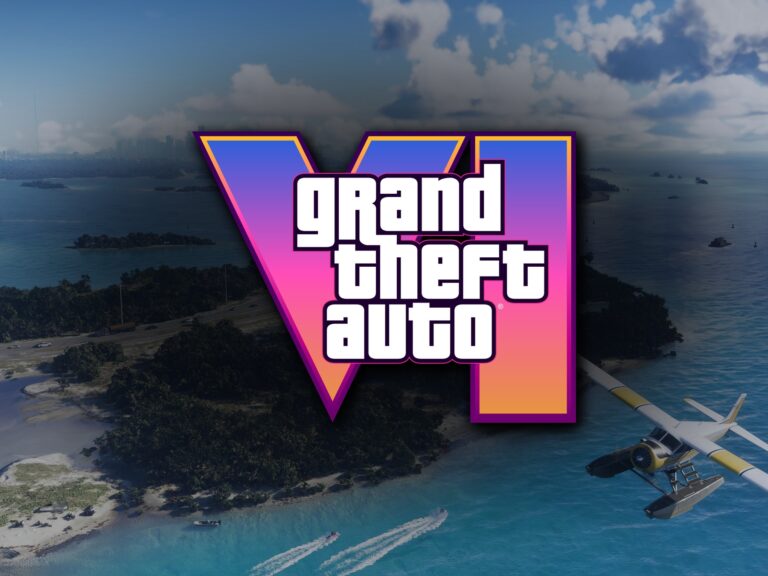
A quick look at current prices shows how wide the range has become. Mario Kart World costs €79.99 digital and €89.99 physical in the official Nintendo Store. Grand Theft Auto VI is listed at €79.99 for the Standard Edition and €99.99 for the Ultimate Edition on the PlayStation Store. We broke it all down in our guide to price and editions.
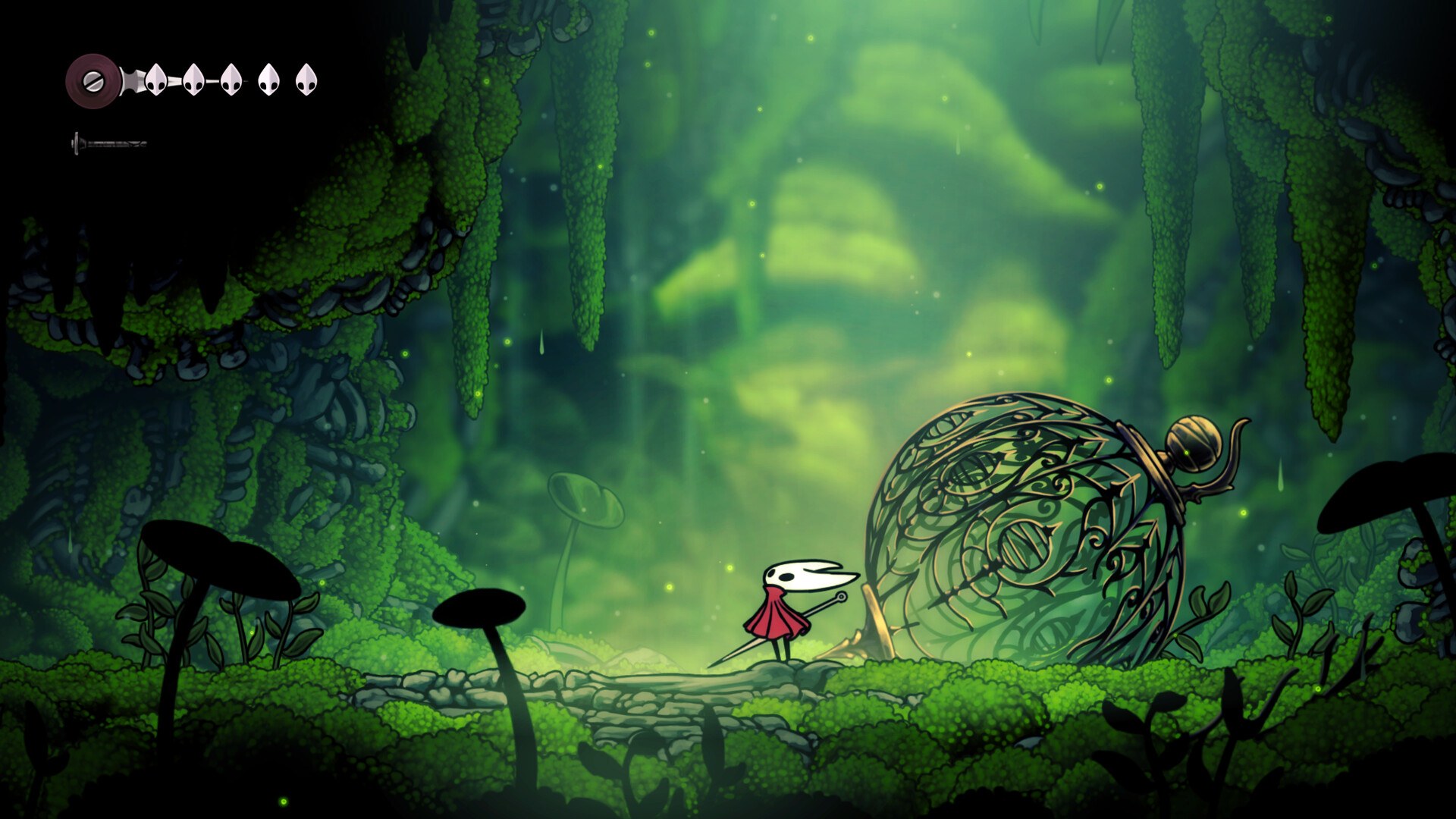
At the same time, plenty of big, ambitious games cost far less. Kingdom Come: Deliverance II sells for €59.99 on Steam, Helldivers 2 for €39.99, Clair Obscur: Expedition 33 currently for €39.99, and Hollow Knight: Silksong for just €19.50. These aren't bargain-bin titles. They're games everyone was talking about all year.
The takeaway for me is simple: these days, a price tag tells you surprisingly little about how good, how big, or how important a game really is.
The best case for €70: inflation and costs
To be fair, games barely got more expensive for a long time. When the Xbox 360 and PS3 generation kicked off, the standard US price was $59.99. Plug that 2006 figure into the US Bureau of Labor Statistics inflation calculator and you land well above $90 today. In real terms, $70 or $80 is actually less than gamers paid back then.
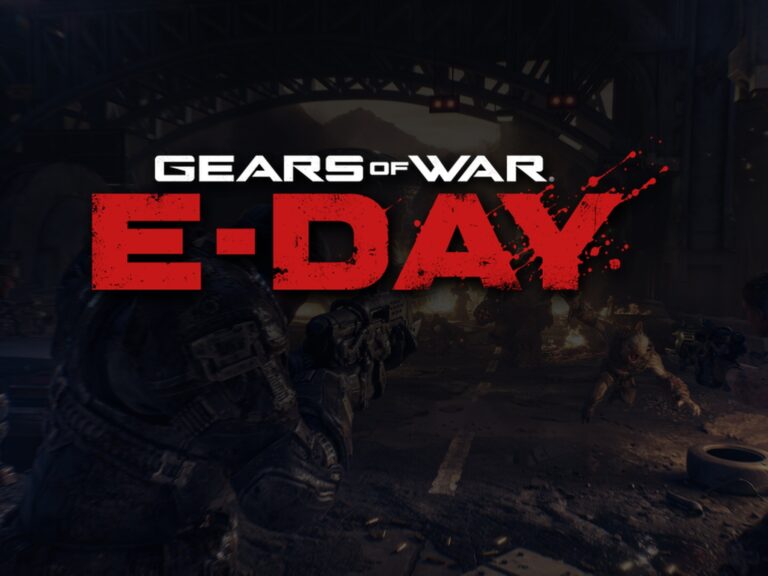
Then there are the costs. Big productions now employ hundreds of people for years. Just how extreme that can get is clear from our report on Gears of War: E-Day, which reportedly cost around $500 million. A publisher spending that kind of money has to make it back somehow. I get that.
But inflation is an argument for higher prices, not a blank check. Wages and entertainment budgets haven't grown at the same pace as development budgets. And as players, we have zero say in whether a studio spends wisely or burns six years on an open world nobody asked for.
When €70 for AAA feels justified to me
I use a few simple rules. If a game ticks most of these boxes, I'll pay full price without a second thought:
- Complete at launch: The game is finished, runs well, and doesn't need a day-one patch the size of the game itself just to be playable.
- No monetization on top: If you charge €70 or more, you shouldn't be selling premium currency, a paid battle pass, or pay-to-skip shortcuts.
- Replay value over filler: 80 hours of collectibles aren't worth more than 30 hours of a great campaign.
- Craft you can see: Tech, animation, voice acting, world design. You should be able to tell where the budget went.
- Staying power: A game I can still boot up and play with friends five years from now is worth more than one tied to a server.
One example that fits: Elden Ring launched as a huge, complete game with no in-game store. With a package like that, I don't question the price. GTA VI could land in the same category too, as long as Rockstar doesn't build the online side in a way that turns the campaign into an appetizer for the shop.
When €70 for AAA stops being fair
Things go wrong when full price is just the cover charge. If I pay €80 and the main menu greets me with a shop full of skins, boosters, and a premium pass, that's not a premium game anymore. That's a free-to-play model with an entry fee.
I have the same problem with edition games. Want to play early? That usually means paying €30 more for a Deluxe or Ultimate Edition just to start a few days ahead of everyone else. That isn't added value, it's manufactured pressure. And with games that only run properly after months of patches, the most loyal fans end up paying the most for the worst version.
One more thing: with franchises that ship every single year, full price often feels like a subscription you renew annually. We've already written about why we think Call of Duty needs a break.
Players have pushed back before
Microsoft learned last year that players won't swallow every price hike. The Outer Worlds 2 was set to be the first Xbox game priced at $79.99. After heavy backlash, Microsoft walked it back: according to Obsidian's official statement, the price dropped to $69.99 before launch and pre-order customers got the difference refunded. On Steam, the game now sells for €69.99.
To me, that's the most important signal in this whole debate: prices aren't laws of nature. They're a test of how much we'll put up with. If a publisher sees players paying €80 for an average game without complaint, that becomes the new normal. If not, they back down.
Meanwhile, games like Clair Obscur, Kingdom Come: Deliverance II, and Hollow Knight: Silksong prove that great games don't automatically need the highest price. Studios like Sandfall Interactive, Warhorse Studios, and Team Cherry deliberately chose prices that invite a lot of people to buy in.
Subscriptions, sales, and patience: the quiet pushback
Part of why the pricing debate is so heated right now has less to do with the price itself and more to do with the alternatives. Services like Game Pass and PlayStation Plus give you dozens of games for a monthly fee, sometimes including new releases on day one. If that's how you play, €80 for a single game is always going to feel steep.
On top of that, big games often get discounted faster than they used to. Plenty of players have learned that waiting a few months gets you a cheaper game, and usually a better, patched one. That's a problem for publishers, who need those launch-window sales. It's exactly why they lean on pre-order bonuses, early access, and pricey editions.
I think that shift is healthy. It forces publishers to justify full price. If you want me to buy on day one, give me a reason: a finished game, honest information upfront, and no hidden costs later. If you can't, you'll sell it later for less. That's how a market is supposed to work.
One side effect I find fascinating: the games that launch at a fair price often stay in the conversation the longest. If players don't feel ripped off at launch, they're more likely to recommend the game. And word of mouth is the cheapest marketing a publisher can get.
And it isn't all bad for studios either. A game that keeps selling at a fair price for years while racking up good reviews builds trust. In the long run, that trust is worth more than one big launch weekend.
What I want from publishers
I don't want a world where every game costs €20 and studios go under left and right. But I do want more honesty. A few concrete asks:
- A clear promise: full price means no in-game store selling advantages or shortcuts.
- Fair editions, without early access as the main selling point.
- More courage to charge mid-tier prices for mid-tier games. Not every game needs to cost €70 just because a big publisher made it.
- Demos and honest pre-release info, so we know what we're getting before we buy.
In the end, this gets decided at the checkout. I still buy full-price games, just less and less blindly. Many of us now wait a few weeks for reviews, patches, or the first discount. That isn't being cheap. It's a logical response to games that often aren't finished at launch.
My verdict: €70 for AAA is a promise
€70 or more for a AAA game can be justified. When a game is finished, skips the extra paywalls, and wins you over with real craftsmanship, I'm happy to pay, and after 60 hours I feel like I got a good deal.
But a high development cost alone doesn't justify the price. Expensive isn't a mark of quality. To me, an €80 price tag is a promise, and right now a lot of publishers aren't keeping it. As long as there are €20 and €40 games that excite me more than many full-price releases, every AAA game has to earn its price first.
What do you think? Where's your limit, and which game was last truly worth full price to you? Find more on the big publishers on our pages for Nintendo, Rockstar Games, and Microsoft.