Jan Richter
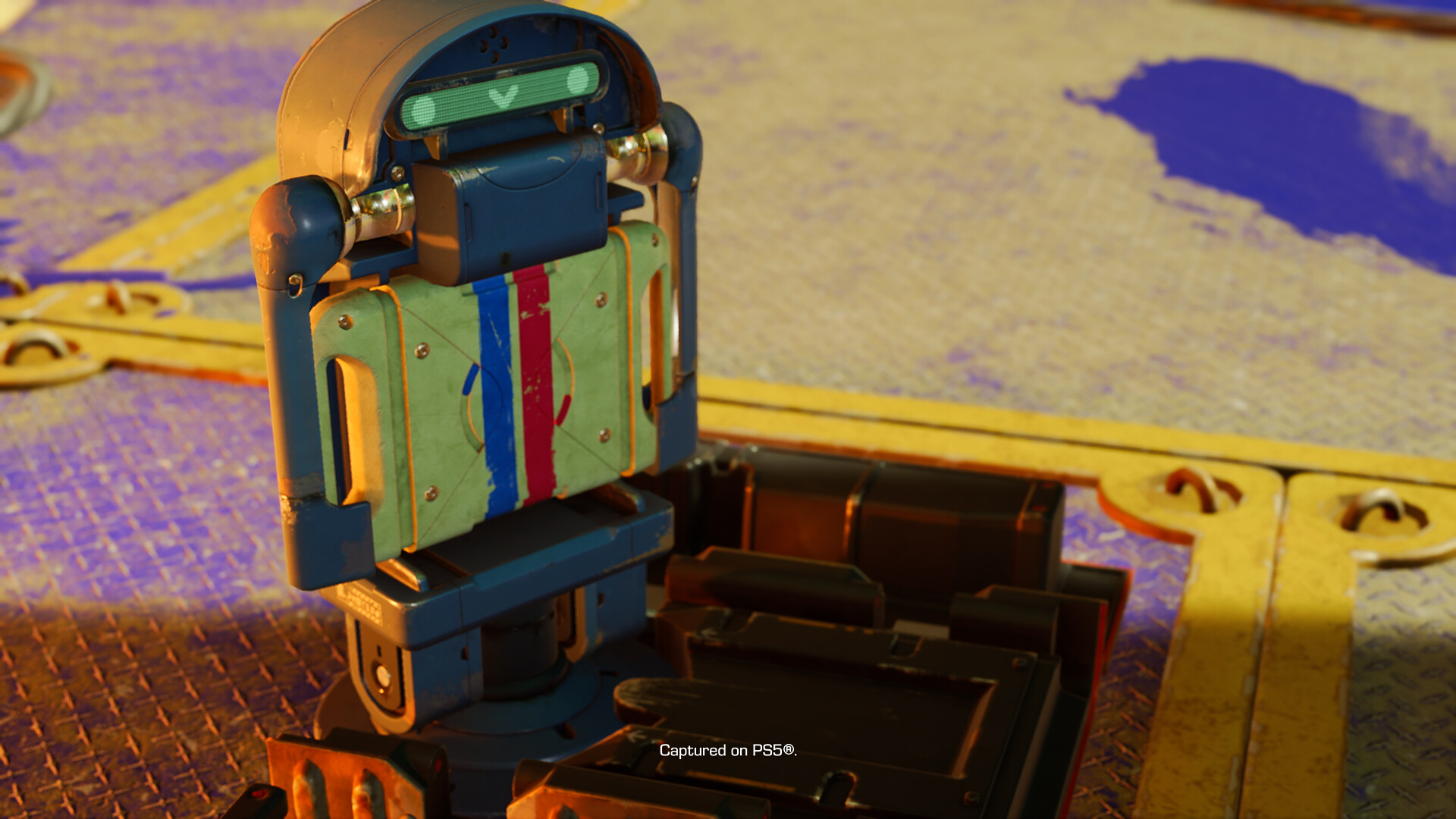
When Sony pulled Concord offline after just two weeks, many people laughed. I didn’t. Because Concord wasn’t an accident, but the most visible example of a pattern that has been repeating for years. One multiplayer flop after another, and yet publishers keep betting hundreds of millions on the next game of this kind. Why, actually?
Concord: The multiplayer flop in numbers
The facts are quickly told. Concord came out on August 23, 2024 for PS5 and PC, priced at around $40. By September 6, it was already offline again, and Sony refunded all buyers. According to Ars Technica , GameDiscoverCo analyst Simon Carless estimated sales at around 25,000 copies. On Steam, according to SteamDB , peak concurrent players were only 697. At the end of October 2024, according to the PlayStation Blog , Sony also shut down the studio Firewalk. Hermen Hulst, head of PlayStation Studios, said at the time that the game „did not hit our targets“.
Particularly bitter: according to Forbes , the game reportedly had around eight years of development behind it. Shortly before, the open beta reached about 2,300 concurrent players on Steam when it was free. When the project started, Overwatch was the hottest new shooter on the market. When Concord came out, the genre had long been overcrowded.
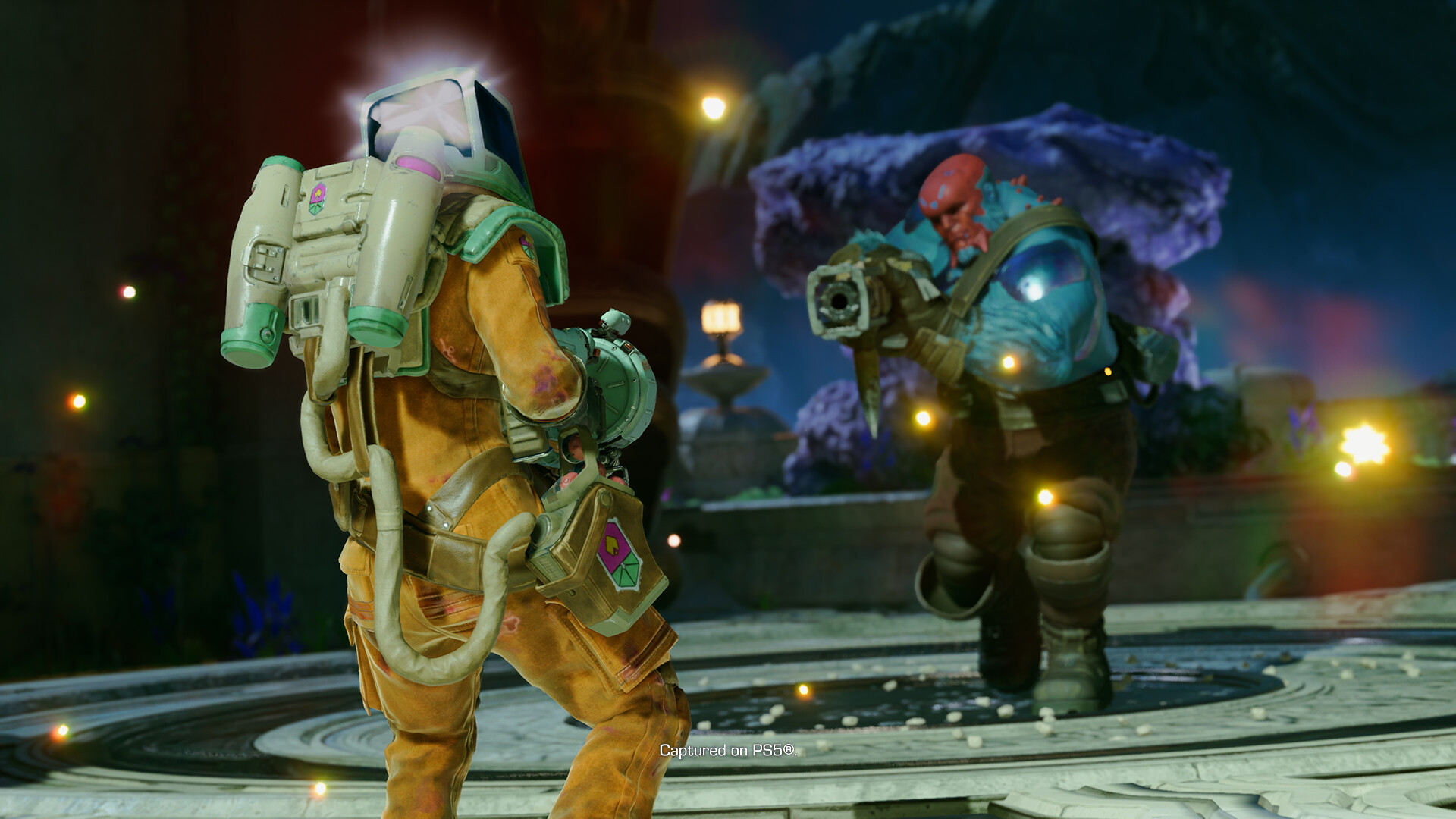
Not an isolated case: XDefiant, Suicide Squad and co.
Anyone who thinks this is a Sony problem isn’t looking far enough. Ubisoft shut down the free-to-play shooter XDefiant in December 2024 because, according to its own statement, it couldn’t retain enough players in the long term. In June 2025, the servers went offline and entire studios were closed.
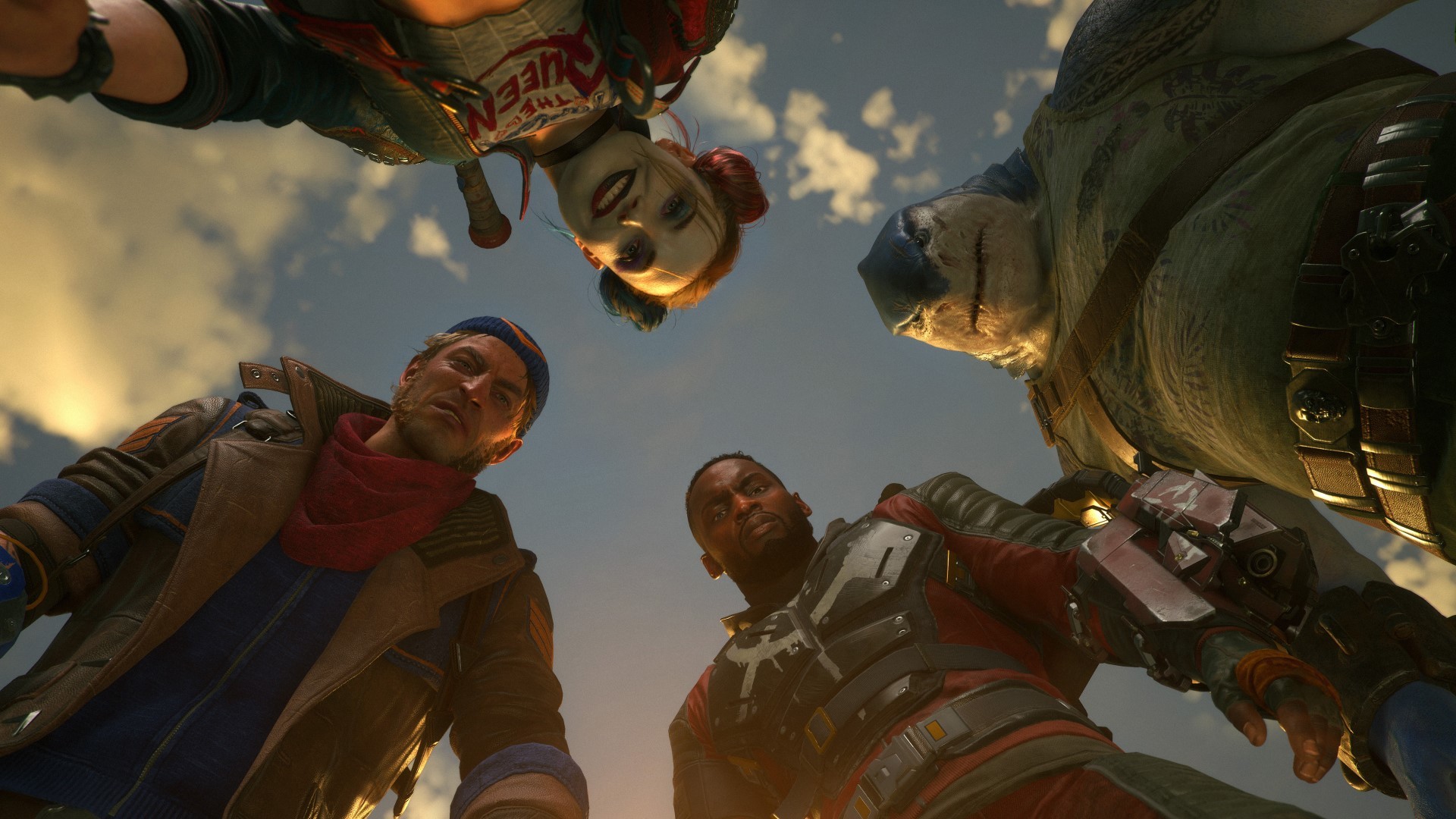
Warner Bros. Discovery experienced a similar drama with Suicide Squad: Kill the Justice League. The game from Rocksteady, the studio behind the acclaimed Batman Arkham series, relied on live service with a battle pass and seasons. According to VGC , CFO Gunnar Wiedenfels put the impact in the first quarter of 2024 at around $200 million. Reviews were also rather lukewarm.
And the list goes on. In February 2021, according to the BioWare blog , EA and BioWare stopped the planned overhaul „Anthem Next“, just two years after Anthem’s release. According to VGC , Warner Bros. Games shut down MultiVersus’s online servers on May 30, 2025, barely a year after the big relaunch. The pattern is always the same: big name, big effort, but no community that stays for the long haul.
Budget alone doesn’t build a community
What all these cases have in common: there was no lack of money. What was missing was a reason why players should play this particular game instead of the one they’re already playing. A multiplayer game doesn’t just compete with new releases, but with Fortnite, Apex, Valorant, Overwatch 2 and Call of Duty, into which many players have already put hundreds of hours and often real money. If you want them to switch, you need more than pretty characters.
Even Sony said that some aspects of Concord were „outstanding“. Still, I couldn’t have explained to anyone in one sentence why they should play it instead of Overwatch. For me, that’s exactly the core of every multiplayer flop.
What the successes do differently
It gets interesting when you look at the counterexamples. Helldivers 2 from Arrowhead was also released by Sony, also for $40. According to Polygon , citing Sony, it sold twelve million copies in its first twelve weeks, becoming the fastest-selling PlayStation release of all time. The difference: Helldivers 2 had a clear idea, co-op chaos with friendly fire and satire, and no direct competitor with an identical concept.
Apex Legends is the second example. EA released the game in 2019 practically without prior announcement as a free-to-play title, and after one week, according to Reuters , EA reported 25 million players. Good timing, a clear twist with heroes in battle royale and an entry without a price tag.
The most recent counterexample comes, of all places, from the genre Concord failed in. NetEase’s Marvel Rivals came out in December 2024 as a free hero shooter and, according to Game World Observer , reported ten million players in 72 hours. So the genre wasn’t dead. It just needed well-known characters, no entry price and a launch at the right time.
Unique selling point, timing, business model
For me, the lessons boil down to three points. First, the unique selling point: a new multiplayer game needs something you can’t get elsewhere. Second, timing: if you spend eight years working on the answer to a 2016 trend, you’re too late. Third, the business model: Concord cost money while almost all its direct competitors were free. If you charge for entry, you have to convince immediately.
Why publishers keep trying anyway
The honest answer is simple: the potential profit is huge. A live-service hit brings in revenue for years through battle passes, skins and seasons. It’s no coincidence that Ubisoft put Rainbow Six together with Assassin’s Creed and Far Cry into its new subsidiary Vantage Studios, in which Tencent has invested €1.16 billion . For shareholders, such a title is more predictable than any single game. That’s why publishers accept the flops, hoping that one out of ten attempts becomes the next Fortnite.
The problem: the math only works if the flops are cheap. Concord, XDefiant and Suicide Squad weren’t cheap. They cost studios, jobs and trust.
What a multiplayer flop means for studios
What often gets lost in debates: a multiplayer flop doesn’t hit the managers first, but the teams. According to Sony, around 210 people lost their jobs with Firewalk and Neon Koi. With XDefiant, according to Ubisoft’s own figures, it was 143 positions in San Francisco and another 134 in Osaka and Sydney. Some of these studios had worked for years on a project whose fate was decided within a few weeks of release. For me, that’s the real problem of the live-service bet: in the end, the developers bear the risks.
My verdict: The next multiplayer flop is already in the works
I’m pretty sure the next Concord is being made somewhere right now. An expensive game, well made, but without an answer to the question „Why this one?“. Publishers should learn to test earlier and more cheaply, let smaller teams get going and stop projects before they’re eight years old. Helldivers 2 showed that a multiplayer hit doesn’t come from the biggest budget, but from the best idea. You can find more background at Sony Interactive Entertainment.