Jan Richter
Buy a game, play it through, done. It used to be that simple. Today, next to the buy button there are deluxe editions, season passes, cosmetic bundles, time savers and expansions. The games industry’s DLC policy has long been a business of its own. The question that keeps bugging me: at what point does a game become a luxury product that only people who keep paying again and again can afford?
How it all began: the horse armor
Anyone talking about DLC almost always ends up at Oblivion. In April 2006, Bethesda sold armor for horses on the Xbox 360 for 200 Microsoft Points, $2.50 at the time, as GameSpot reported. The community laughed and complained. People bought it anyway: according to former Bethesda designer Bruce Nesmith, quoted by Kotaku, the horse armor sold millions of times. The industry had learned its lesson. Even small, sometimes pointless add-ons make money.
Good DLC policy: When an expansion is worth the price
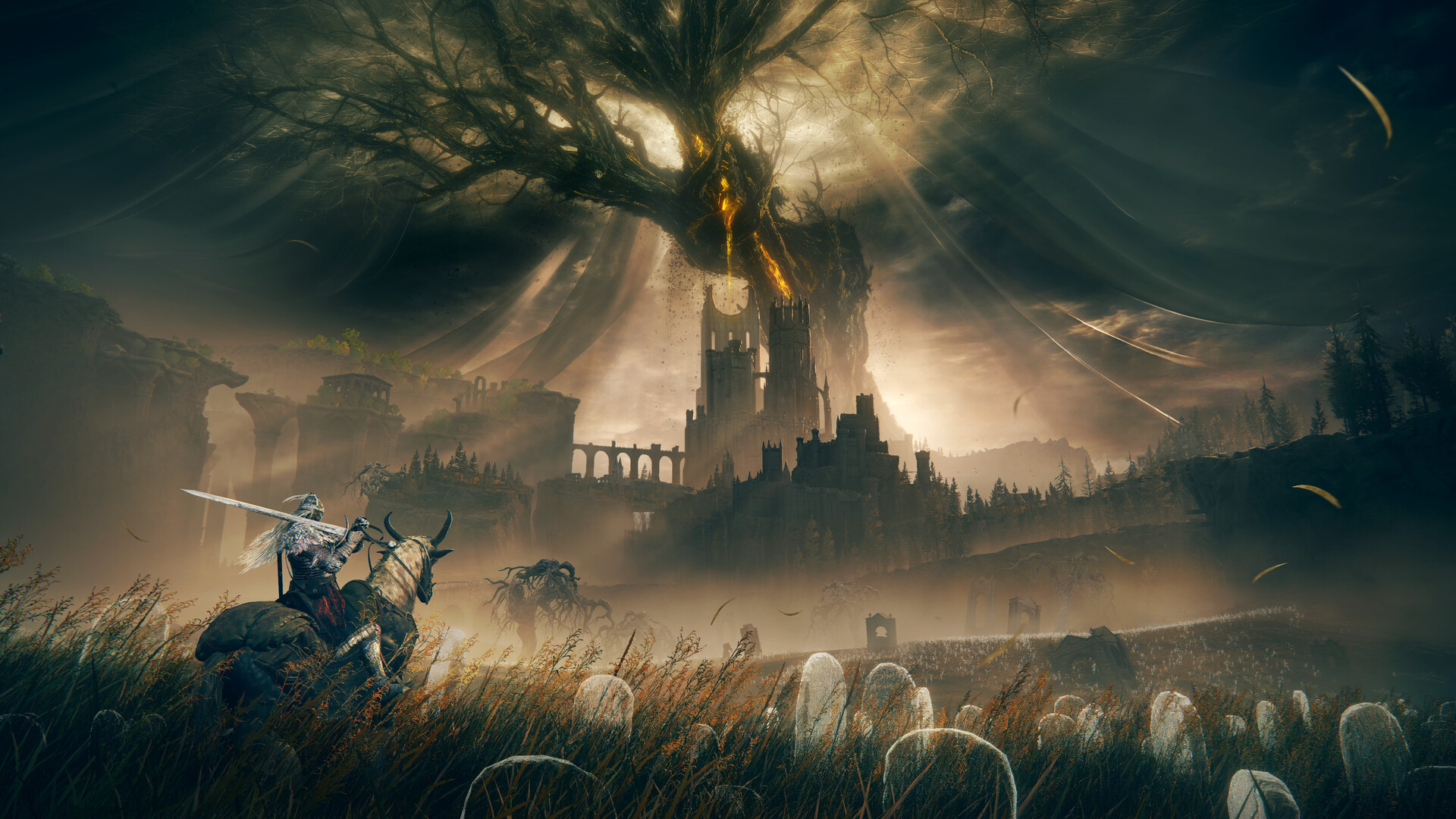
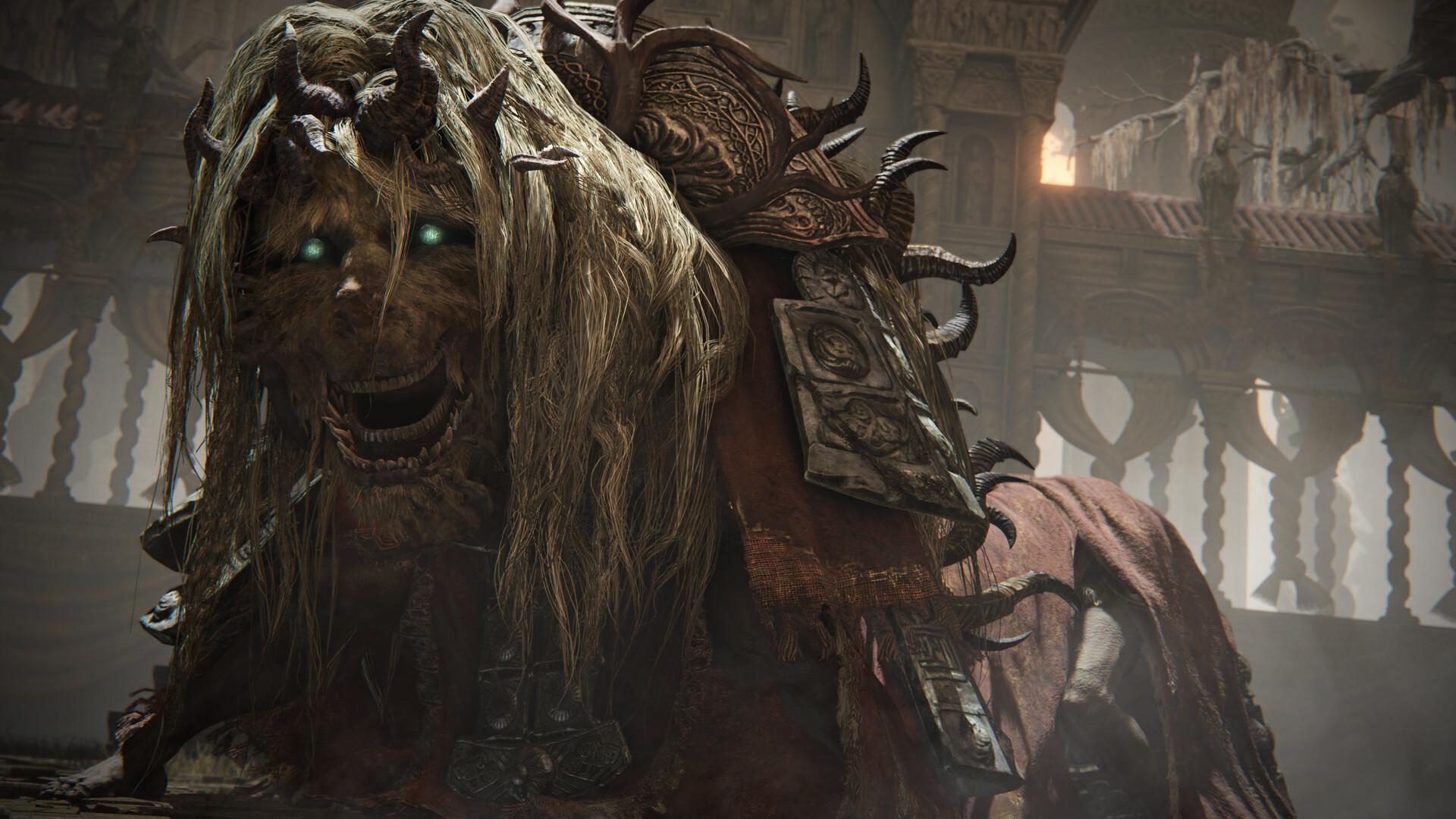
I don’t want to pretend every DLC is bad. The best counterexample comes from FromSoftware. Shadow of the Erdtree came out on June 21, 2024, more than two years after Elden Ring. According to Bandai Namco , the expansion sold over five million copies in just three days. Players got a huge new region, new bosses and weapons. Nobody felt this content had been cut out of the main game.
For me, that’s exactly the benchmark: a meaningful expansion is created after the main game is finished and adds something that feels like an adventure of its own. For many, The Witcher 3 with Hearts of Stone and Blood and Wine also belongs in this category.
A second good example is Phantom Liberty for Cyberpunk 2077. The expansion cost money but brought a completely new story with a new district. According to CD Projekt , it sold over three million copies in its first week. What’s interesting: players rewarded a studio that had squandered a lot of trust with the main game. So good expansions can even win back a reputation.
The Sims 4: When the game becomes a subscription without a subscription
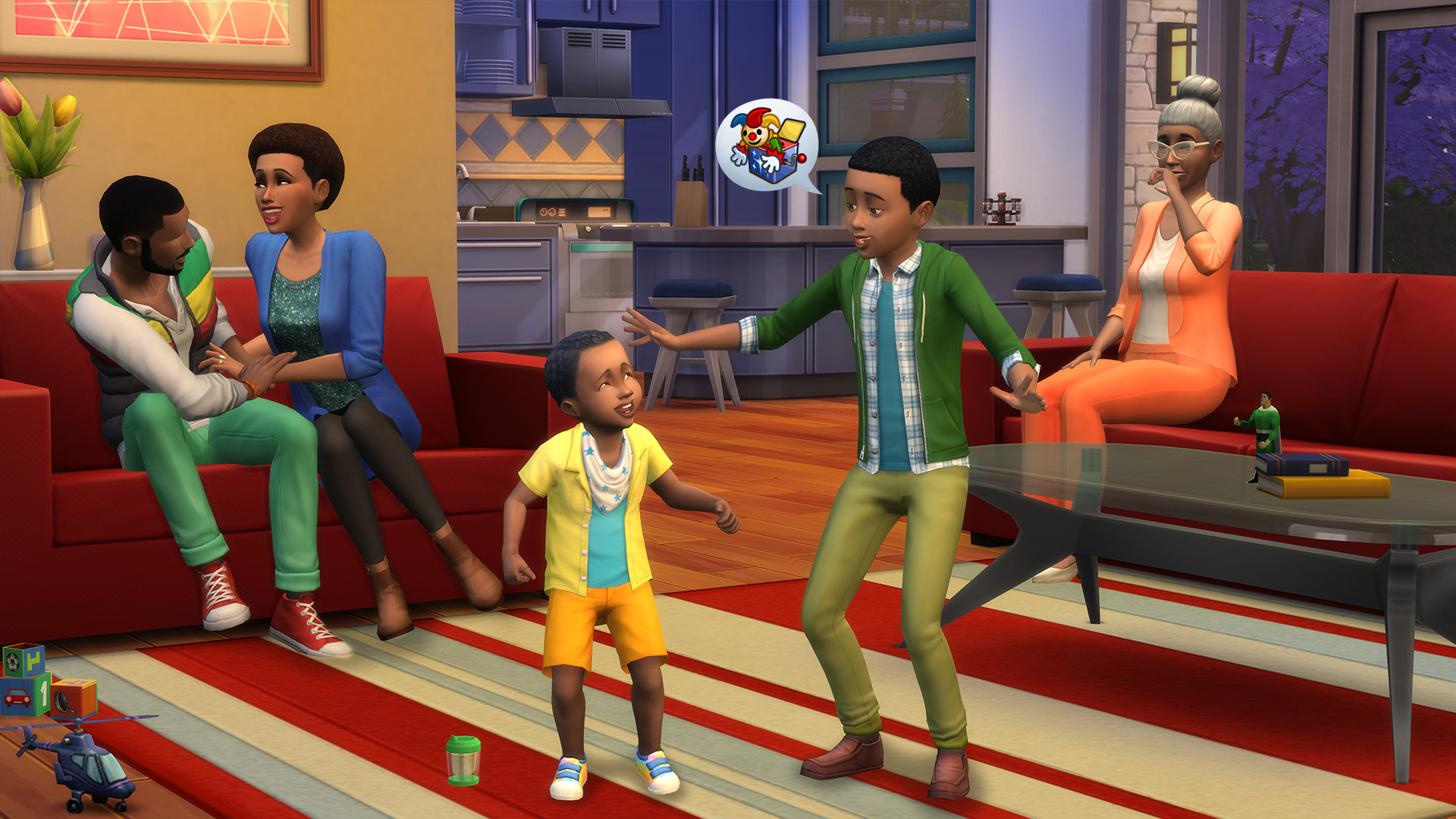
At the other end, for me, is The Sims 4. According to EA , the base game has been free since October 18, 2022. In return, 21 expansion packs have been released to date, most recently Royalty & Legacy in February 2026, plus numerous smaller Game Packs, Stuff Packs and Kits. Many features known from earlier entries, such as seasons or pets, are only available here in separate expansions like Seasons and Cats & Dogs.
I understand the model: if you only want to build, you need little. But if you want the „complete“ Sims experience, over the years you spend a sum that’s many times the price of a normal full-price game. This is exactly where, for me, DLC policy tips toward a luxury product.
Microtransactions and loot boxes: Battlefront II as a warning
It gets even trickier when extra purchases directly affect game progression. The most famous example is Star Wars Battlefront II from 2017. Iconic heroes like Darth Vader or Luke Skywalker could only be unlocked with lots of playtime or purchased credits. According to the BBC , players calculated that this would mean around 40 hours per character. A Reddit comment from EA defending the system with a „sense of pride and accomplishment“ became a symbol of the protest and was downvoted en masse. EA then cut the costs by 75 percent.
Belgium shows that this isn’t just a feeling among players. In April 2018, the Belgian Gaming Commission classified paid loot boxes in FIFA 18, Overwatch and Counter-Strike: Global Offensive as illegal gambling, as the BBC reported. Publishers had to adjust their systems there. For me, that’s a clear signal: when authorities have to step in, the industry failed to draw the line itself.
For me, that’s the red line: when a game is deliberately designed to become a grind without extra purchases, it’s no longer an expansion but artificial scarcity.
Season passes and deluxe editions: DLC policy before release
A newer trend worries me more than individual skins: expansions are being sold before the main game has even come out. Skull and Bones is a good example. According to VGC , the standard version cost $69.99, while the $99.99 Premium Edition offered three days of early access, two extra missions and cosmetic content. So if you want to play first, you pay around $30 more. To me, that’s not a bonus but a fee for impatience.
Where DLC policy goes too far today
Cosmetics as such don’t bother me much. A skin for a free-to-play game is a fair deal: I play for free, and whoever feels like it buys some visuals. It becomes problematic with full-price games that also offer a full shop, a battle pass and several editions with early access. Then I pay 70 or 80 euros and still get the feeling I only own part of the game.
My personal checklist is therefore simple: Is the main game complete without extra purchases? Was the DLC clearly developed after release? And does the content feel like an expansion or like a chapter that was cut out? If any of these questions is answered with no, the DLC policy goes too far for me.
What makes a fair DLC policy
There are models I can live with. Complete editions that bundle all content at a fair price years after release are a real offer for late buyers. Honest roadmaps that clearly state before purchase what’s coming and what it costs build trust. And free updates alongside paid expansions show that a studio doesn’t see its game merely as a cash register. A good DLC policy treats players like fans, not cash cows. Anyone who manages that is welcome to charge money for expansions.
My verdict: Expansions yes, chopping up no
DLC isn’t the problem. Shadow of the Erdtree shows that players are happy to pay for good content, in the millions. The problem starts where publishers deliberately break games into pieces to sell them piece by piece at a higher price. The games industry’s DLC policy has to decide: do publishers want to sell games that you buy once and love, or luxury products you’re never quite done paying for? I know what I’d rather spend my money on. You can find more about one of the big players at Electronic Arts.