Mila Becker
Indie hits used to be made by ad budgets, trade show booths and magazine covers. These days, a 20-second clip of someone screaming as they walk into a trap can do the job. My take: TikTok and streamers have become the single biggest engine behind indie hits. That is a huge opportunity for small studios, but it is also a system with clear rules and real risks.
If you have kept an eye on the Steam charts over the past few years, you know the pattern. A game from a tiny team launches with almost no marketing, nothing much happens for a few days, and then it is suddenly in every feed. A few weeks later, hundreds of thousands of people are playing it at the same time. In this piece I want to look at why it keeps happening to the same kinds of games, and what that means for developers and for us as players.
Lethal Company: one solo developer against the big players
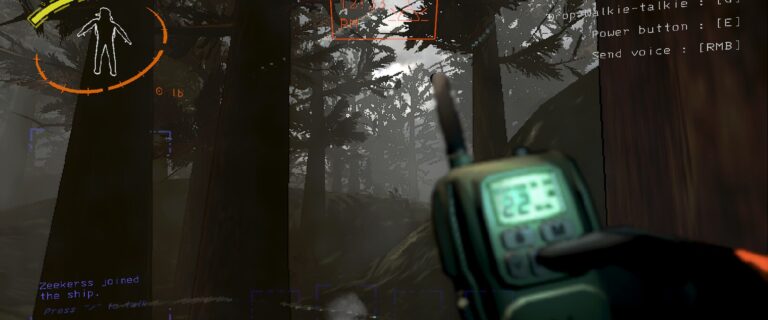
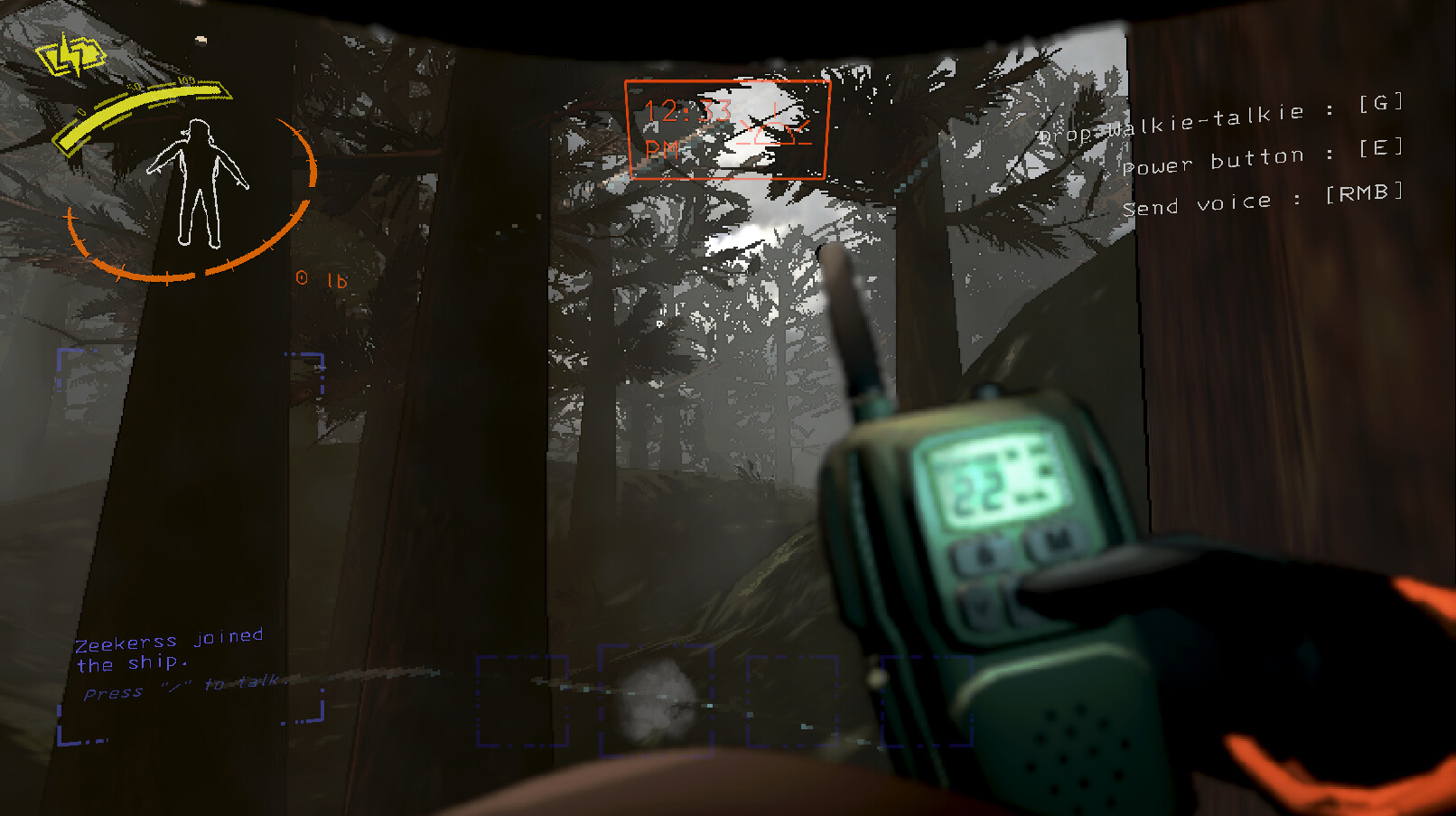
For me, the best example is Lethal Company. The co-op horror game was made by Zeekerss, a single developer, and hit Early Access in October 2023. There was no big marketing budget. Even so, according to SteamDB, it peaked at 240,817 concurrent players on Steam on December 3, 2023.
Creators did almost all of the heavy lifting. As reported at the time, TikTok was flooded with clips and the #lethalcompany hashtag had passed 2.4 billion views. Big streamers picked it up on Twitch, and long Let's Play series followed on YouTube. Lethal Company did not take off because of its graphics. It took off because almost every run turns into a little story you want to tell your friends.
Why these indie hits work so well on TikTok
Look at the big viral indie hits of the last few years and you will find the same ingredients again and again. In my view, these four matter most:
- Co-op with friends: Failing together is more fun to watch than winning alone. Viewers get genuine reactions instead of a perfectly played level.
- Proximity voice chat: When a teammate's voice fades out or cuts off mid-sentence, you get tension and comedy at the same time.
- Randomness: Procedurally generated levels mean every run looks different. For streamers, that means the game can carry several nights in a row.
- A low price: If you see a clip and want to jump in with three friends right away, a cheap game is an easy decision.
None of this is an accident. It is design. These games produce moments that fit into a short clip. A game that only gets really good after ten hours has a much harder time in this system, even if it might be the better game.
Content Warning and Peak: indie hits born from experiments
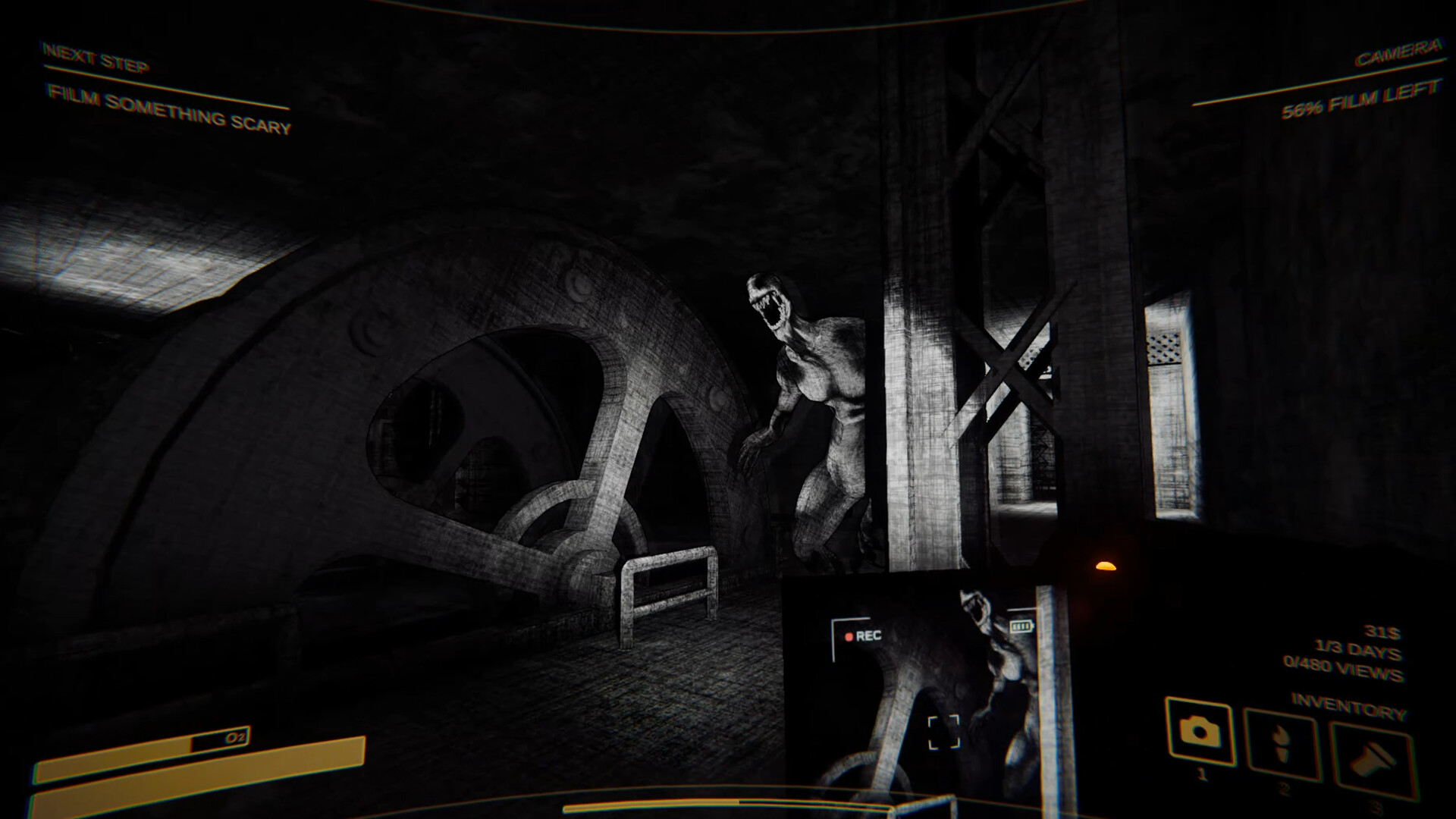
Just how strong the effect can be is shown by Content Warning from Landfall. The game, in which you shoot horror clips for a fictional video platform, launched on April 1, 2024 and was free for 24 hours. According to the official press kit, 6.6 million people claimed it on Steam during that window, and concurrent players peaked at around 204,000 on April 2. In a way, the game is a parody of the very content culture that made it big.
Peak, a co-op climbing game from Aggro Crab and Landfall, went even further. It started life as a joint game jam project, launched in June 2025 and, according to industry figures, had sold more than ten million copies by August 2025. The developers said in an interview that they never saw that kind of success coming. That is exactly what fascinates me: a small experiment can now outgrow a project that was planned for years.
Among Us: the streamer effect can arrive years later
Going viral does not always mean going viral right away. Innersloth's Among Us came out back in 2018 and stayed fairly obscure at first. It only became a global phenomenon in 2020, when big Twitch streamers discovered it, as reports explained at the time. For me, that is one of the most important lessons here: a quiet launch does not mean a game has failed. If the core idea is fun to watch, the breakthrough can come much later.
Balatro and Animal Well: not every hit is a clip game
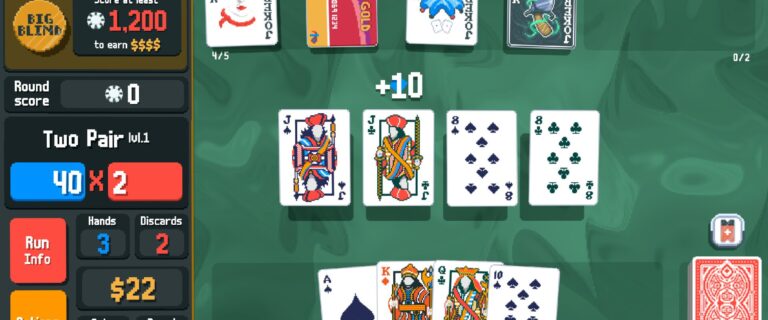
It would be too simple to say that only loud co-op games benefit. Balatro by LocalThunk is a quiet single-player poker roguelike. Even so, it spread through streams, clips and word of mouth, and according to publisher Playstack it had sold more than five million copies by January 2025. What I love is that LocalThunk used that moment, as reported, to tell people to go and buy more indie games.
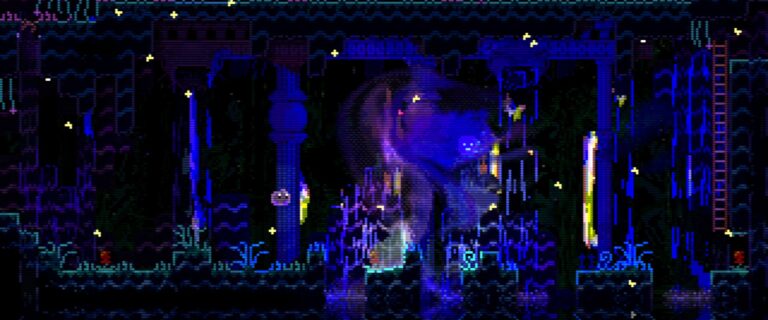
Animal Well takes it one step further. According to the Shared Memory press kit, Billy Basso spent around seven years building the game on his own. It was published by Bigmode, the label founded by YouTuber Dunkey, and was the label's very first release, according to reports. Here, creators are not just the billboard. They have become the publisher.
What both games have in common
Both games have an idea you can explain in one sentence, and a moment you want to show someone: the ridiculous Joker combo in Balatro, the unexpected secret in Animal Well. To me, that is the real core of it. Genre does not decide whether a game takes off. What matters is whether it creates moments people want to talk about.
The downside: algorithms instead of planning
As much as I like this shift, it has real problems. For every indie hit, there are thousands of games that never get a clip with any reach. If you rely on viral moments, you are relying on an algorithm that nobody outside the platforms really controls. You cannot plan for that.
Then there is the pressure that comes after success. When a game blows up overnight, a small team suddenly has to deal with servers, bugs and the expectations of millions of players. The Peak developers have talked about exactly that. On top of that, every viral hit triggers a wave of copycats that simply clone the formula. That does not make the market more creative. It just makes it more crowded.
My verdict: TikTok makes indie hits, but only good games stick around
For me, one thing is clear: TikTok and streamers have made the games industry more democratic. A solo developer with a great idea can now get more attention than a game with a massive marketing budget. That is fantastic.
But a clip only gets people through the door. Whether they stay is up to the game. Lethal Company, Balatro and Animal Well did not get big because of one video. They got big because people realized after watching that there was something real behind it. So my advice to small studios is this: build moments people want to share, but first build a game that deserves those moments. For more hidden gems, check out our reviews of Buckshot Roulette and Mouthwashing.