Mila Becker
Big publishers are betting on sequels, remakes and live-service models. Meanwhile, the boldest ideas of the past few years have almost always come from independent studios. My take: indies are currently saving the creativity of the games industry. Not because indie developers are better people, but because they have to take risks, and they are free to.
When I look back over the last two years and ask myself which games genuinely surprised me, hardly any big AAA titles make the list. They are games from small teams that tried something that would probably never have been greenlit inside a big corporate structure. That is what this piece is about: why does so much of the industry's creativity come from the bottom up these days?
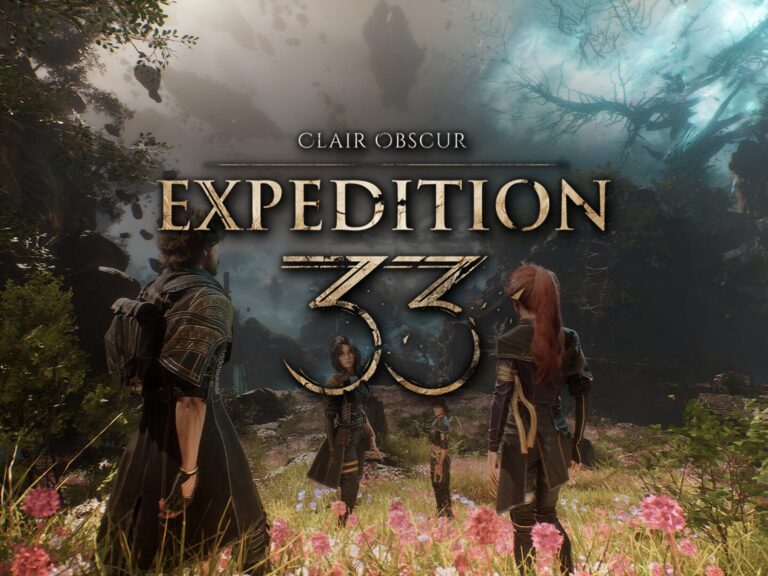
Clair Obscur: Expedition 33 showed what an independent studio can do
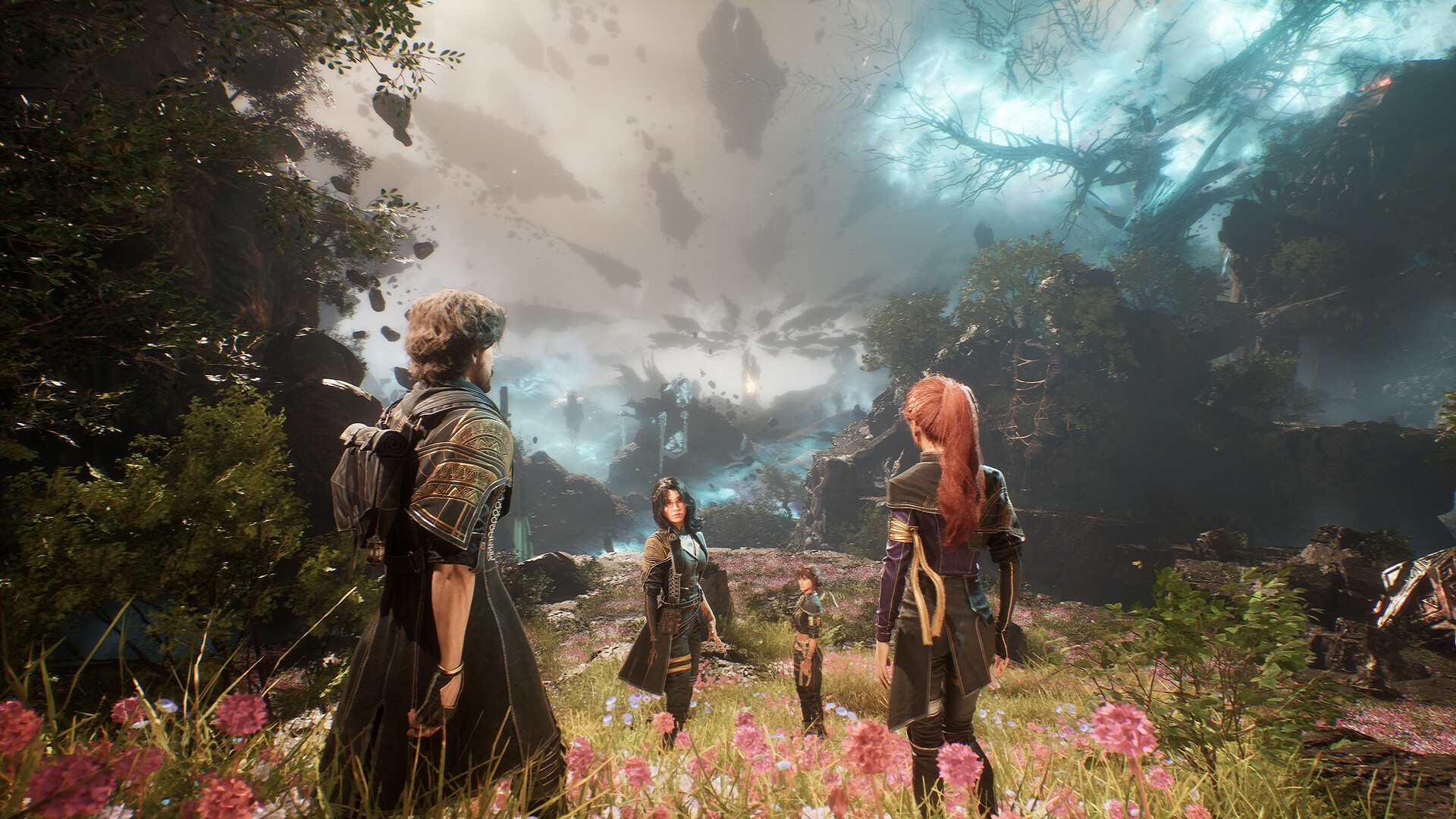
For me, the most important example is Clair Obscur: Expedition 33. It was made by Sandfall Interactive, an independent studio based in Montpellier, France. The game blends turn-based combat with real-time reaction mechanics, exactly the kind of concept many big publishers would have written off as too risky. The result: according to official sales figures, it had sold more than five million copies by October 2025.
At The Game Awards 2025, Clair Obscur was named Game of the Year and took home nine awards in total, a record for the show, as international media reported. An independent studio beat an entire year's worth of big-budget productions. To me, that sends a clear signal: a strong artistic vision can win out against far bigger budgets.
Why big studios keep playing it safer
The reasons are not hard to understand. AAA games now cost so much money and take so many years that a single flop can put an entire studio at risk. That leads to decisions that make perfect sense from a corporate point of view: continue a known franchise, stick to a proven genre, go live-service because it promises recurring revenue.
The problem is that caution rarely produces new ideas. When every project has to be as safe as possible, a lot of games end up looking alike. The wave of studio closures and layoffs over the last few years has only reinforced that trend, because risk becomes even less popular in a crisis.
How indies keep the creativity of the industry alive
Small independent studios work differently. They have no portfolio to protect and no shareholders demanding growth every quarter. That is tough, because money is tight. But it also means freedom. As I see it, there are three things indies do particularly well:
- Mixing genres: A poker roguelike, a puzzle game set in a shifting house, a turn-based RPG with parrying: combinations like these come from places where nobody has to present a market research deck.
- Sticking with an idea for years: Some indie games take a very long time because one person or a small team keeps polishing until it feels right.
- Telling personal stories: Games about guilt, memory or isolation find a home in the indie space because they do not have to appeal to a mass market.
Blue Prince and Animal Well: years spent on one idea
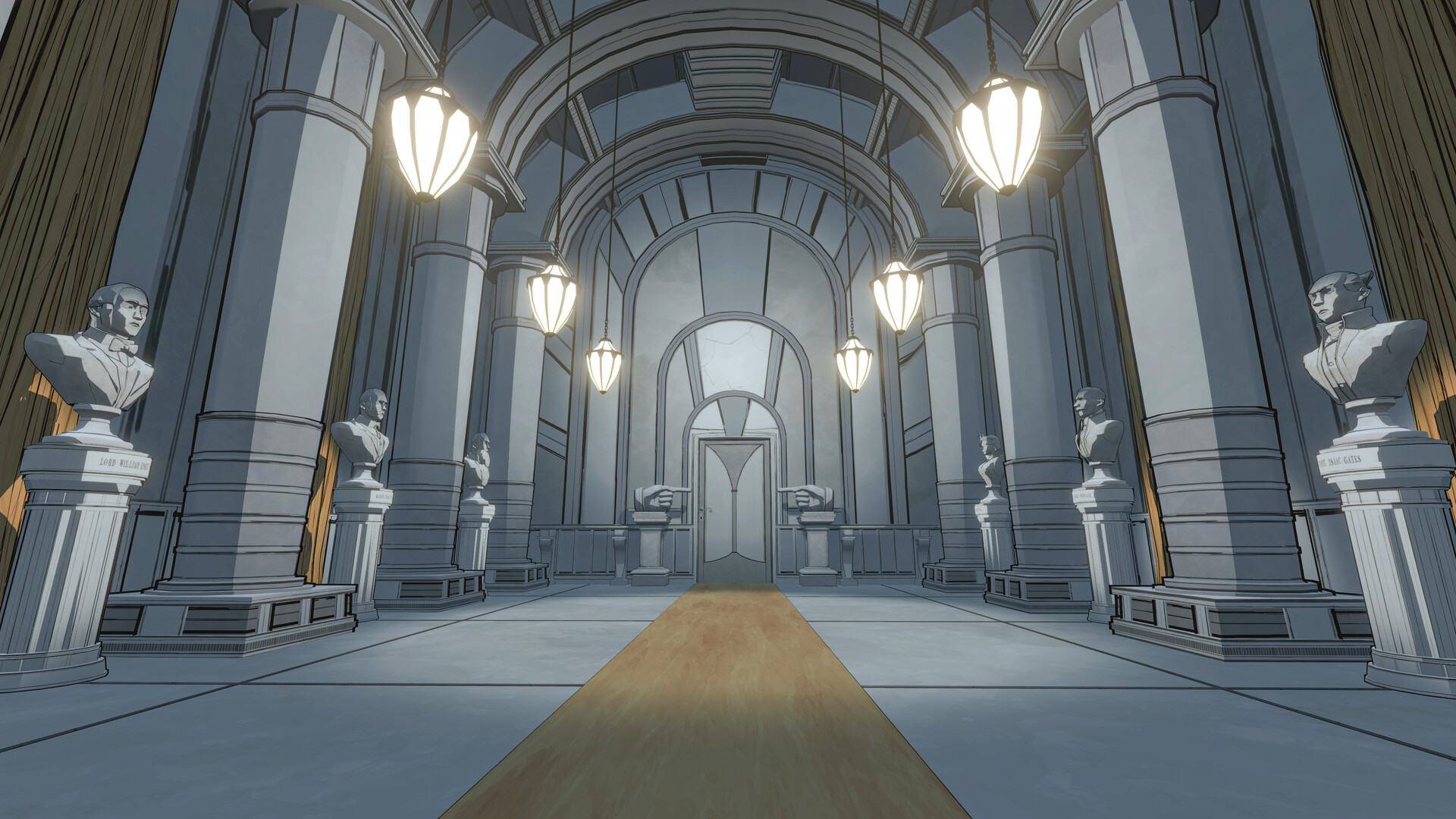
A great example is Blue Prince. According to an interview, Tonda Ros started prototyping back in 2016, and the game finally launched in April 2025 through Raw Fury. That is roughly eight years for a puzzle game in which a house rearranges itself every day. No major publisher would have waited that long for such an unusual concept.
It is a similar story with Animal Well from Shared Memory. According to the official press kit, Billy Basso spent around seven years building the game on his own, including his own engine. The result is a game packed with secrets that deliberately ignores genre conventions.
Hollow Knight: Silksong and Balatro: success without a corporation
Independent games can also be huge commercial hits, as Hollow Knight: Silksong from Team Cherry proved. According to SteamDB, the small Australian studio's game hit more than 587,000 concurrent players on Steam in September 2025. And Balatro by LocalThunk, made by a single person, has sold more than five million copies according to publisher Playstack. Neither game was designed by a corporation. Both were made by people who wanted to make exactly that game.
Where the indie scene needs to stay honest
As much as I celebrate all this, it is not that simple. For every success like Clair Obscur, there are a great many small studios that barely make any money from their games. The market is crowded, and visibility is hard to come by. Anyone releasing an indie game today is competing with thousands of other releases every year.
On top of that, "indie" is not a seal of quality. Small studios copy trends too as soon as a concept takes off. And there are debates that affect the indie scene as well, such as the use of generative AI. With Clair Obscur, this became an issue after awards season, when the Indie Game Awards rescinded their awards for the game over its use of generative AI and handed them on, partly to Blue Prince, as reported in December 2025. Creativity needs clear rules and transparency, too.
My verdict: the industry's creativity comes from the bottom up
For me, it is clear: if I want to know where video games are headed, I do not look at the big corporate showcases first. I look at small studios. That is where the ideas are born that big publishers adopt a few years later.
Indies are saving the creativity of the industry right now because they are willing to fail. The least we can do as players is buy these games, talk about them and occasionally try something that is not plastered across every store's front page. A good overview of new small games can be found in our coverage of the Nintendo Indie World in October 2026. For more recommendations, check out our articles on UFO 50, 1000xRESIST and Hades II.