Robin Hartmann
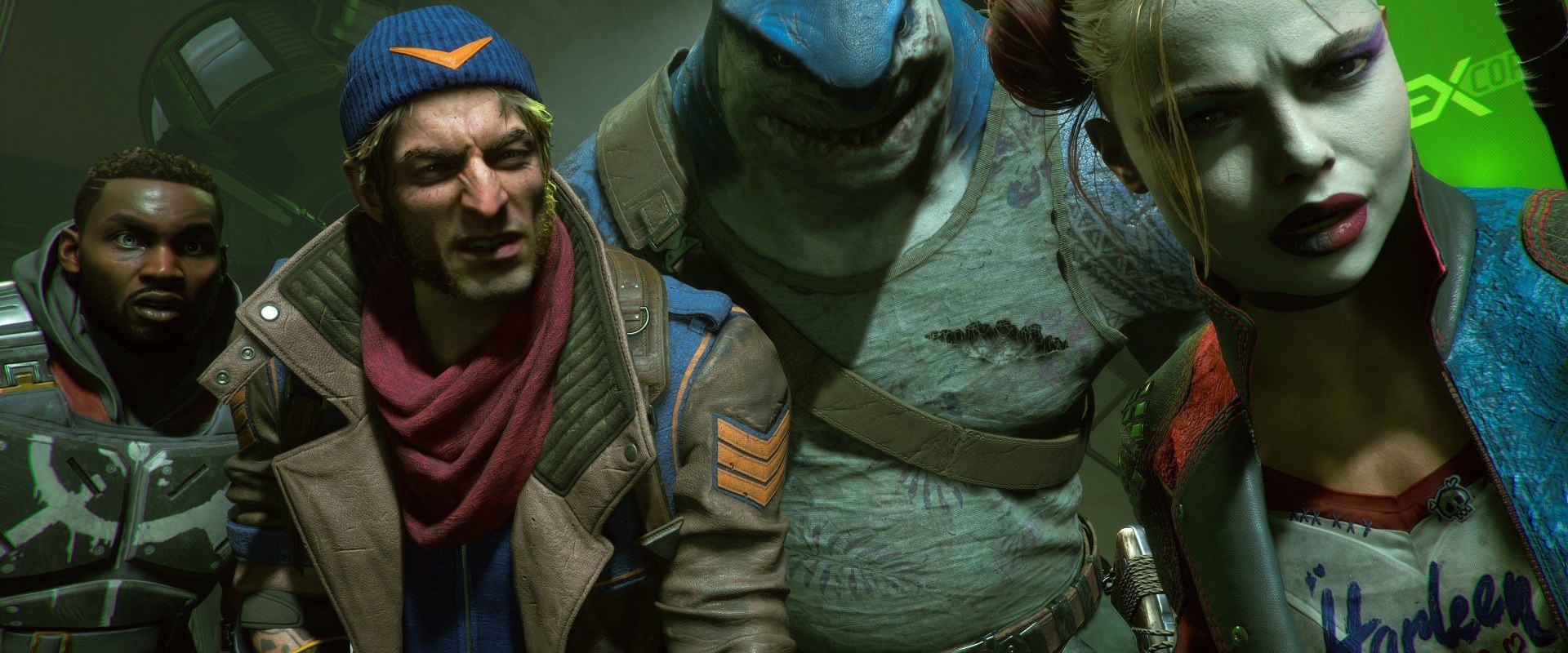
Concord, Suicide Squad, XDefiant, Anthem, MultiVersus: the list of failed live service games is so long by now that it barely surprises anyone. There’s plenty of talk about why these games flop. There’s far too little talk about what happens afterward. My take: the real lesson from the live service collapses isn’t „make better games.“ It’s „plan for the ending.“ For the players who paid, and for the people who built these games.
Why publishers keep pouring hundreds of millions into the next multiplayer shooter despite every warning sign is something we already covered in Concord wasn’t a one-off. And the fact that there simply isn’t enough free time for every forever game is the subject of our column Live service games have a problem: nobody can play them all. This piece looks at the other side: what’s left when the plug gets pulled, and what does the industry finally need to learn?
Live service failures: the recent track record
A quick rundown of the best-known cases shows how differently a live service game can die:
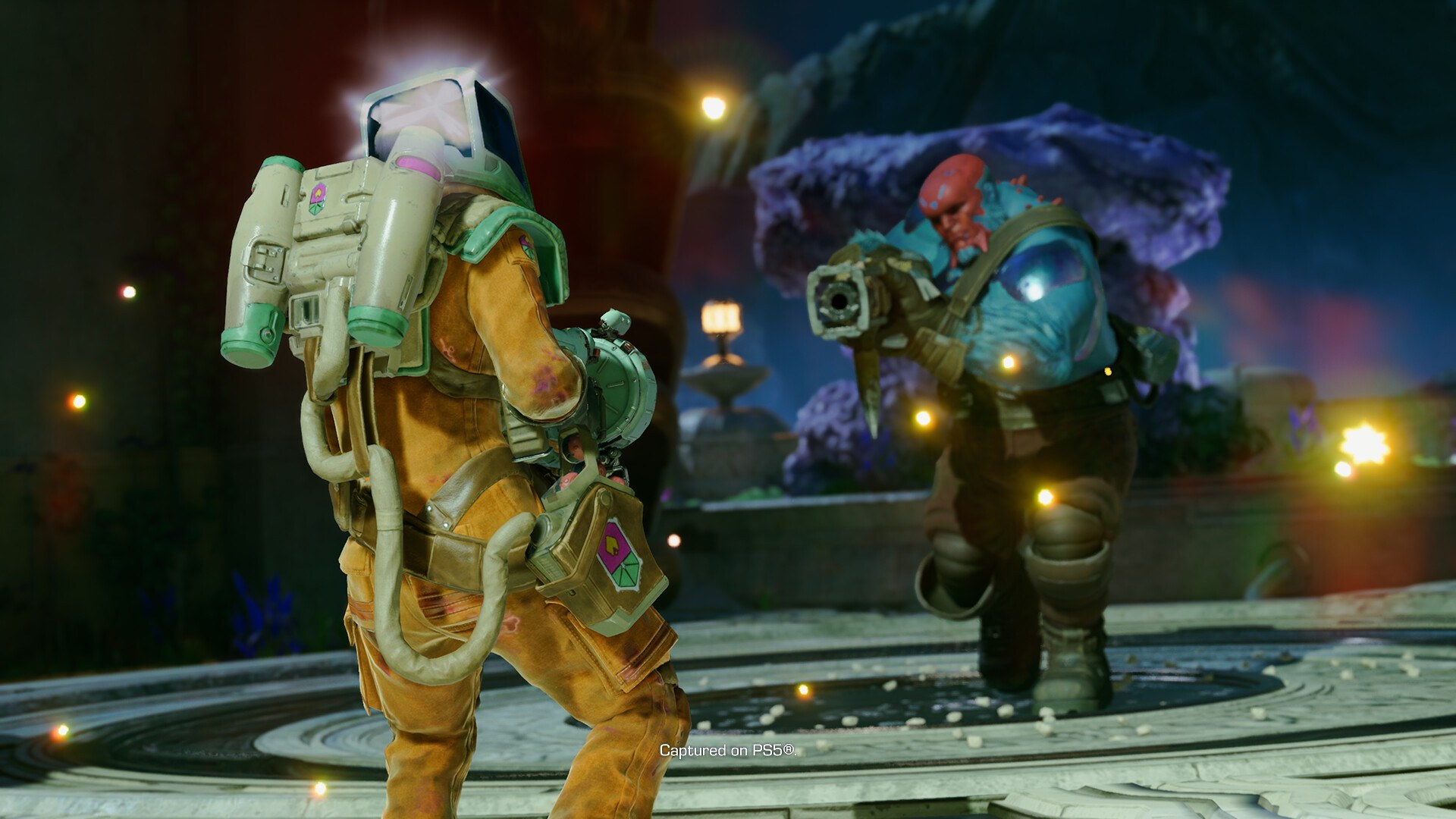
- Concord: Launched on August 23, 2024, and according to the PlayStation Blog went offline again on September 6. Sony refunded every buyer.
- XDefiant: Ubisoft announced the end of the free-to-play shooter in December 2024, and the servers shut down on June 3, 2025. According to Ubisoft, 143 people lost their jobs in San Francisco alone.
- Suicide Squad: Kill the Justice League: Per the official FAQ, Season 4 was the last, with the final episode arriving on January 14, 2025. At least the game got an offline mode.
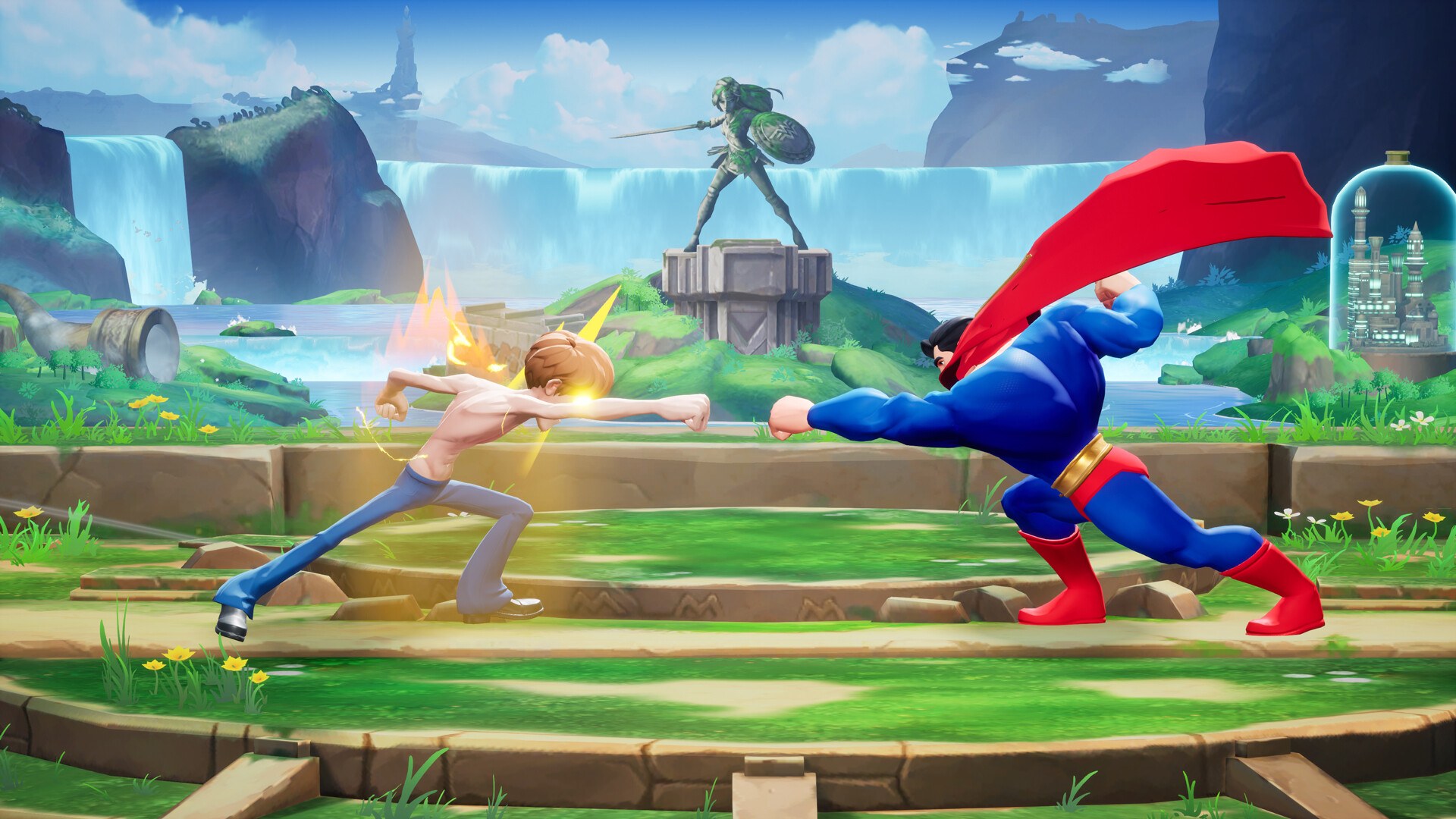
- MultiVersus: According to Warner Bros. Games, the online servers went dark on May 30, 2025. Anyone who logged in beforehand can keep playing locally.
- Anthem: EA shut the game down on January 12, 2026, according to its own announcement. It’s been completely unplayable ever since.
Five games, five ways to die. And that’s the part I find most interesting: the end of a game isn’t a natural disaster. It’s a decision. Some publishers made it fairly, others didn’t.
Lesson 1: Every game needs an end-of-life plan
The difference between MultiVersus and Anthem is the heart of this whole debate. For MultiVersus, Warner Bros. Games added a local mode, according to the FAQ, where you can keep playing solo against AI opponents or with up to three other players, with every character unlocked and everything you earned or bought. In Suicide Squad, the campaign and all of the seasonal story missions remain playable offline, according to Rocksteady.
For Anthem, on the other hand, EA states plainly in its official FAQ that the game was designed as an online-only title and can no longer be played once the servers go offline. A full-price game that lots of people bought in 2019 has simply vanished.
My view: if you sell a game at full price, you need a plan from day one for what happens when it stops running. An offline mode, private servers, or at least a stripped-down solo mode. Sure, that costs money. But building it in from the start is a lot cheaper than bolting it on in the final months of a failed game.
Lesson 2: Players aren’t beta testers
Concord is the most extreme example of a lesson that should be obvious. To its credit, Sony did the right thing and refunded every buyer. But that’s the exception. For MultiVersus, Warner Bros. Games says real-money purchases have been disabled since January 31, 2025. What you bought before stays available in offline mode, but there was no dedicated refund program. If you want your money back, you have to go through the individual storefronts.
I get that nobody can refund every in-game item. But the industry has to stop using players as a risk buffer. Every battle pass or skin bundle comes with a promise: that the game will stick around for a while. If a publisher doesn’t believe that itself, it shouldn’t be selling long-term purchases.
A baseline standard would be easy, in my opinion: announce a shutdown at least six months in advance, stop all real-money purchases immediately, and keep everything players already bought usable until the very end. According to its announcement, EA at least did that with Anthem, giving more than 180 days of notice. That should be mandatory, not a goodwill gesture.
Lesson 3: Developers pay the bill
Here’s what gets lost in every live service collapse: behind every server shutdown are people losing their jobs. With XDefiant, Ubisoft cut 143 people in San Francisco alone, while studios in Osaka and Sydney were closed or scaled down. BioWare has also felt the fallout of big failures, as our report on the studio’s downsizing shows.
The problem is structural. Live service games are often built on the expectation of huge revenue for years to come, and team sizes grow to match. When the game doesn’t catch on, it doesn’t get adjusted. It gets shut down. The decision gets made at the top, and the teams feel the consequences.
My position is clear: if you plan that aggressively, you also need to plan so that one flop doesn’t instantly cost hundreds of jobs. Smaller teams, gradual growth, and a willingness to keep a game running for a smaller community would be a start.
Lesson 4: Start small and let it grow
Helldivers 2 shows there’s another way. The game from Arrowhead Game Studios didn’t arrive as „the next big thing“ with billion-dollar ambitions. It was a co-op shooter with a clear idea and a fair price. It costs €39.99 on Steam, with no subscription and no pressure to buy a battle pass.
The difference from so many failed games: Helldivers 2 didn’t have to earn hundreds of millions for years starting on day one. It was allowed to just be fun, and then grow. That’s exactly what so many live service projects are missing. They aren’t planned as games, but as platforms that have to beat Fortnite, Call of Duty, and the rest.
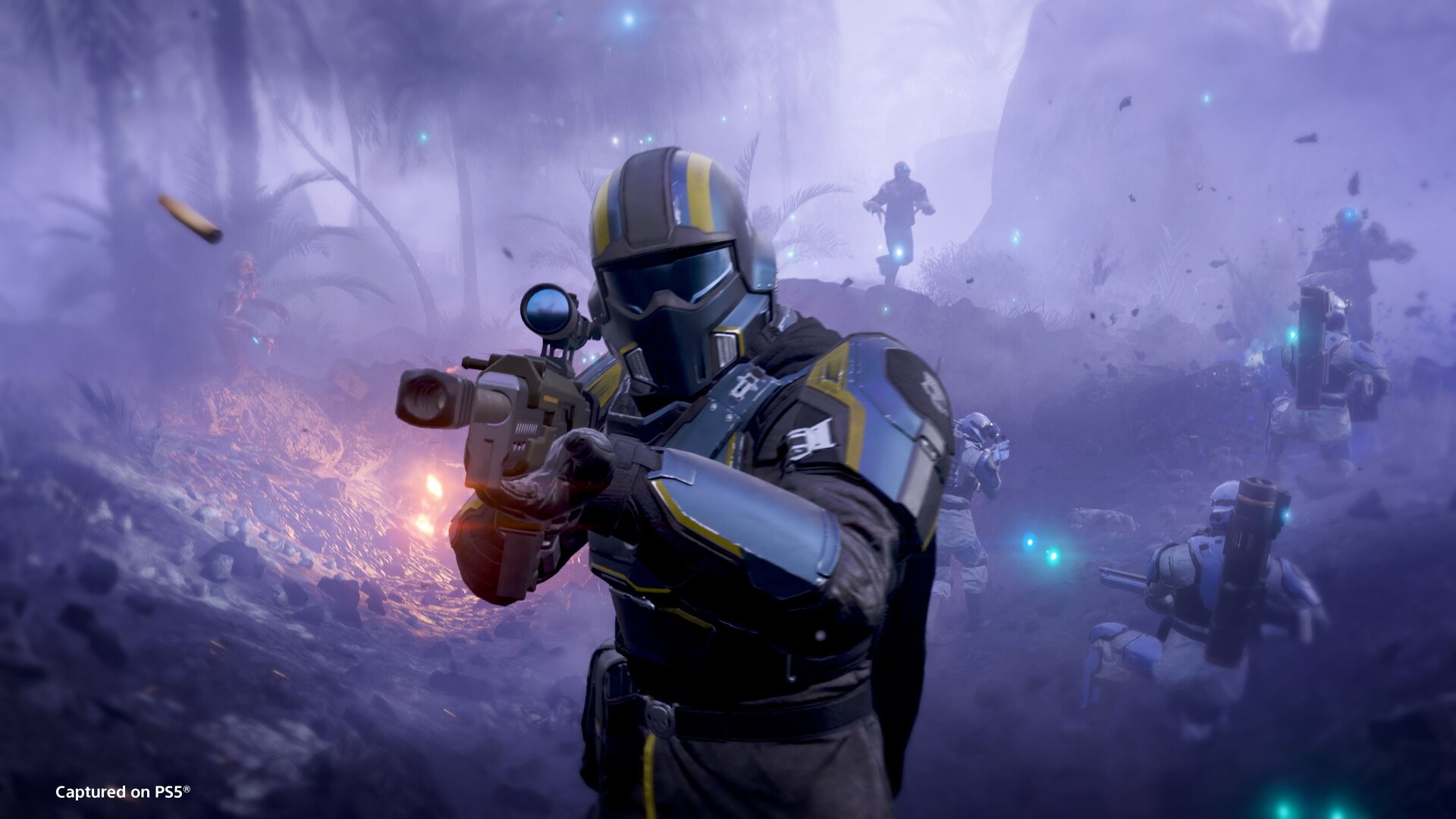
To me, Helldivers 2 also shows that live service doesn’t have to be a business model tuned for maximum revenue from the start. A game that works first and finds a loyal community can always grow later. The other way around almost never works.
Lesson 5: The pressure is now coming from outside
If the industry won’t learn on its own, it may be forced to. The European Citizens‘ Initiative „Stop Destroying Videogames,“ better known as Stop Killing Games, collected 1,294,188 verified signatures according to the European Commission and was officially submitted on January 26, 2026. The demand: publishers selling games in the EU should have to leave them in a playable state instead of shutting them down remotely.
Whatever lawmakers eventually decide, the signal is clear to me. More than a million people in the EU signed to say they don’t want to lose games they paid for. Publishers who ignore that risk not just tighter rules, but their customers‘ trust. And without trust, nobody is buying a battle pass for a new game that might not exist a year from now.
What I find interesting is that the initiative doesn’t ask for servers to run forever. The point is that a game you paid for shouldn’t become worthless once official support ends. That’s exactly what MultiVersus and Suicide Squad did voluntarily.
Lesson 6: Be honest before it’s too late
One thing that bugs me about nearly every live service failure is the messaging. Right up until the end, it’s all long-term commitment and big plans. A few weeks later comes the announcement that the game is being shut down. For players who just bought a battle pass, that rightly feels like a betrayal.
There are good examples, though. With MultiVersus, Warner Bros. Games spelled out in its FAQ exactly what you needed to do to keep your content offline: install the game during Season 5 and log in once. And with Anthem, EA openly stated in its announcement that the shutdown didn’t lead to any layoffs. That isn’t a given, but it’s exactly the kind of clarity I want to see.
Honest communication costs nothing but a little courage. If you admit early that a game isn’t meeting expectations, you can work with the community on a dignified ending. If you keep up the cheerleading until the final day, you don’t just burn one game, you burn trust in every future project from that publisher. And every new live service game needs that trust just to get a shot. Players remember exactly which publisher left them hanging last time.
My verdict: what the industry must learn from live service failures
Live service games aren’t bad by nature. I’ve sunk plenty of hours into games that kept evolving for years. But the live service collapses of recent years show that the industry far too often dumps the risk on others: on the players who paid for content, and on the developers who lose their jobs.
What I’m asking for really isn’t much: an end-of-life plan, fair notice, no real-money sales right before the shutdown, and projects that are allowed to start small. MultiVersus and Suicide Squad proved a dignified ending is possible. Anthem showed how not to do it. The next collapse is coming for sure. The only question is whether the industry will be ready this time.
What do you think? Which shut-down game do you miss the most? Find more on the publishers involved on our pages for Sony Interactive Entertainment, Electronic Arts, and Ubisoft.