Robin Hartmann
Live-service games have a problem: nobody can play them all. Almost every big online game today wants to be played daily, with a battle pass, dailies and limited-time events. But players‘ free time isn’t growing along with them. An opinion piece.
In this article
Too many games, too little time
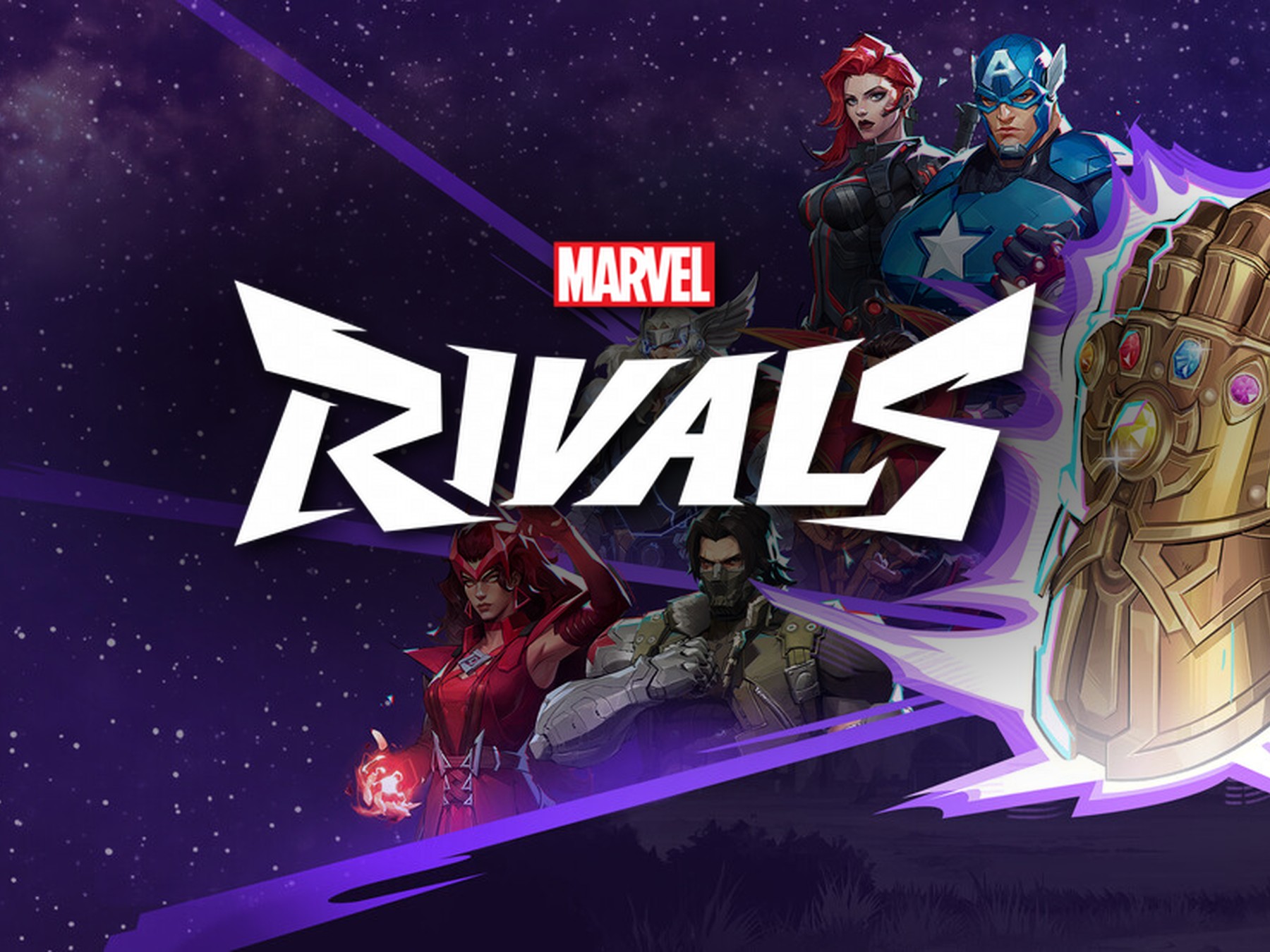
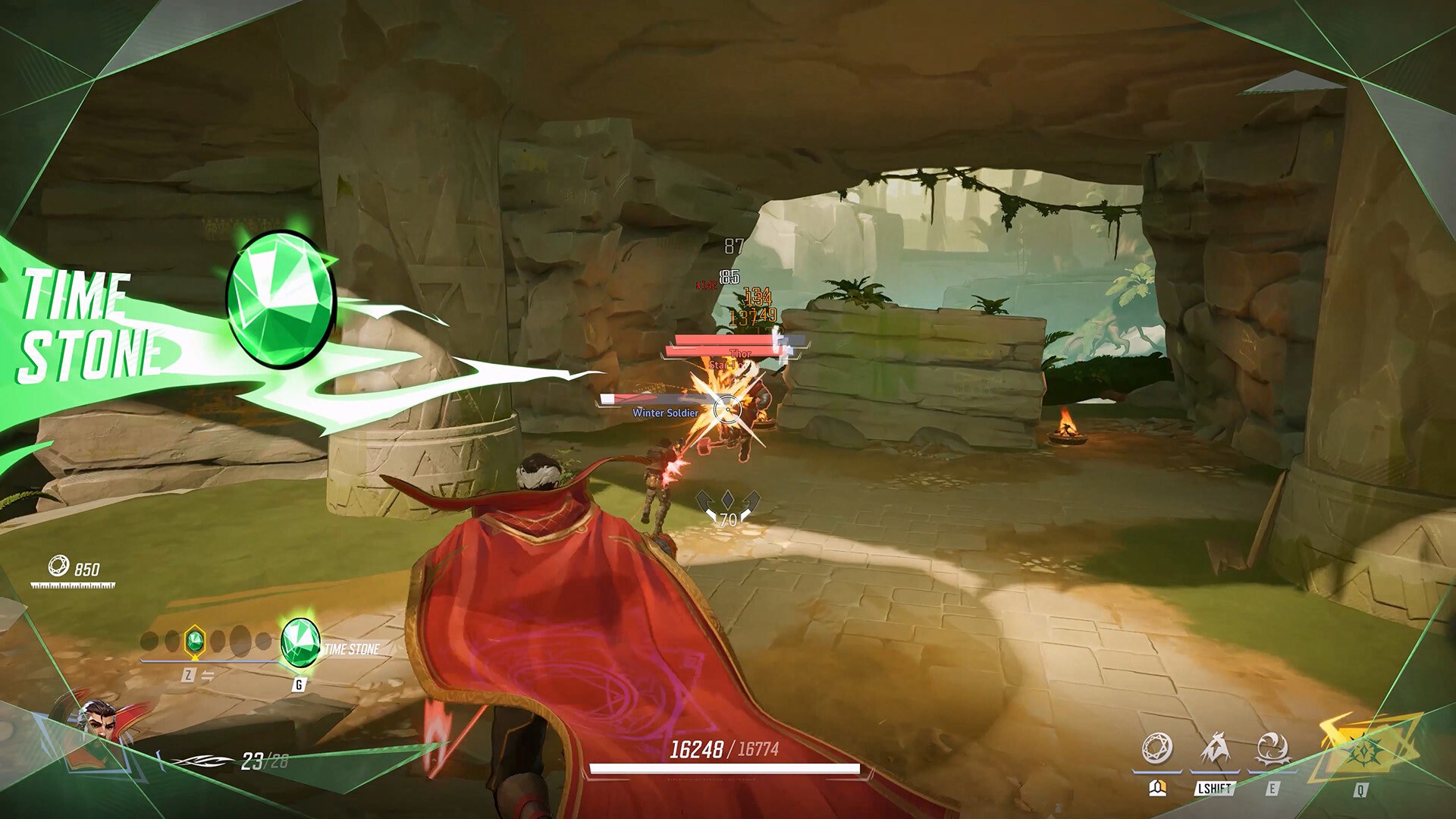
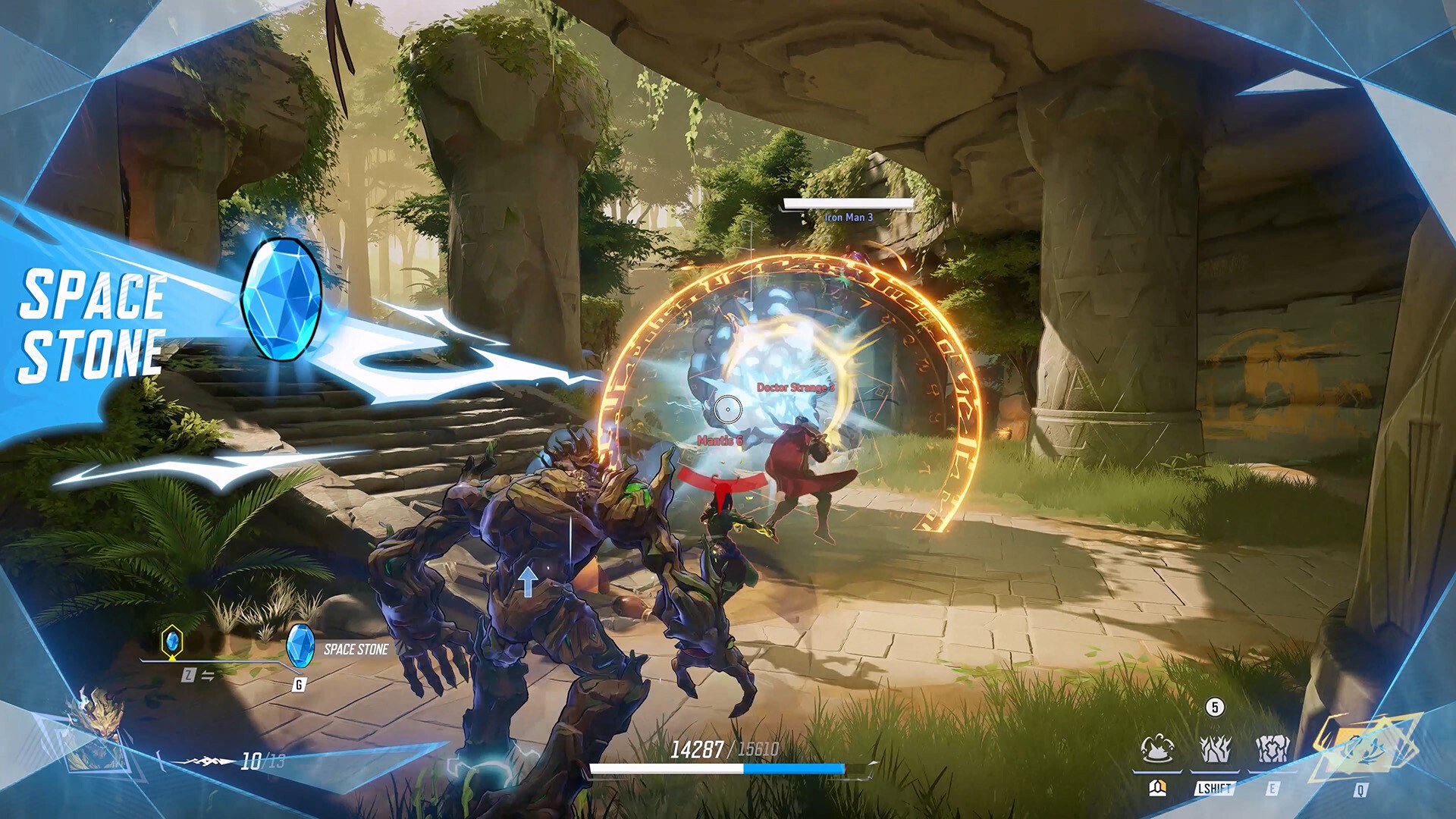
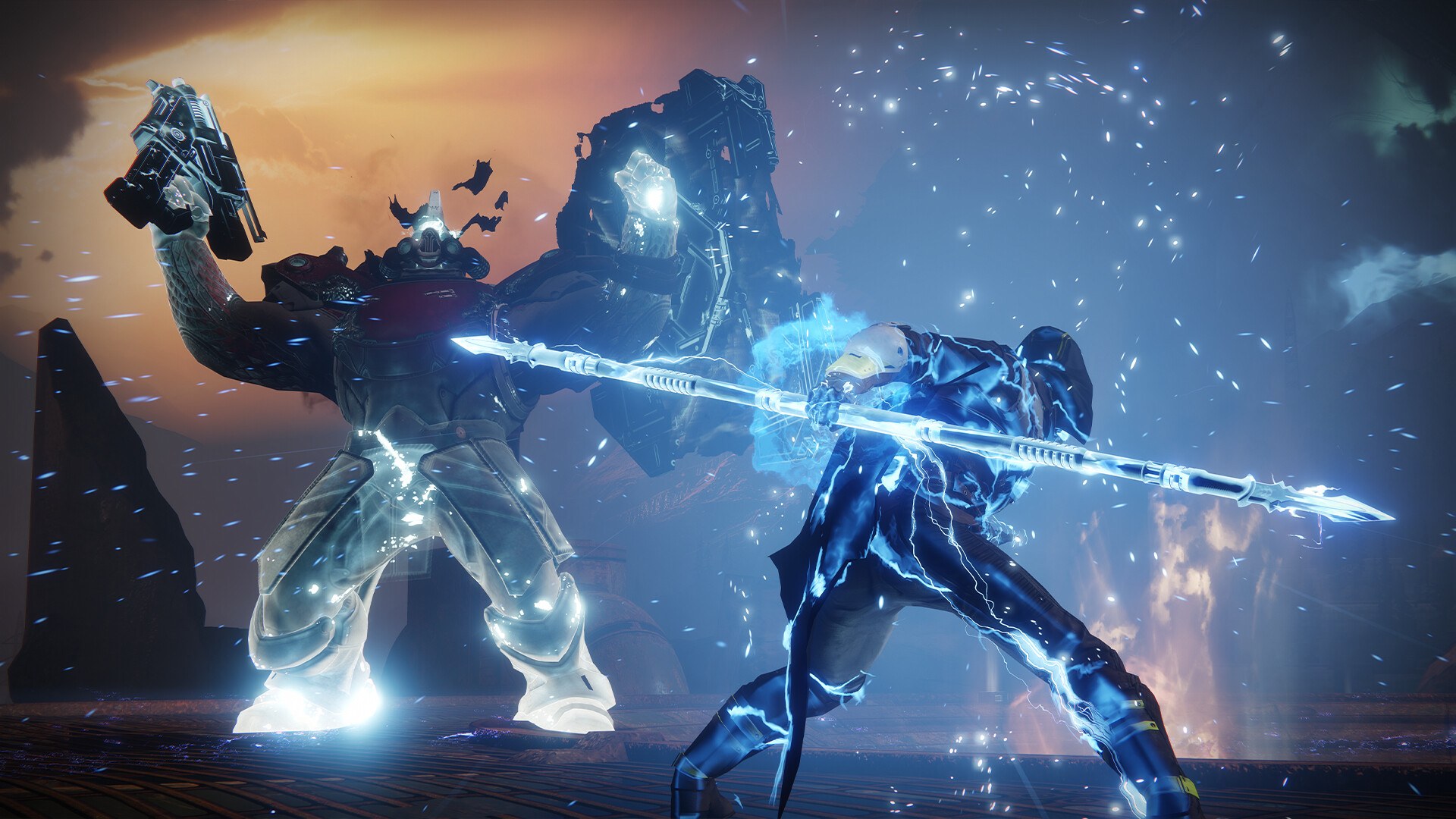
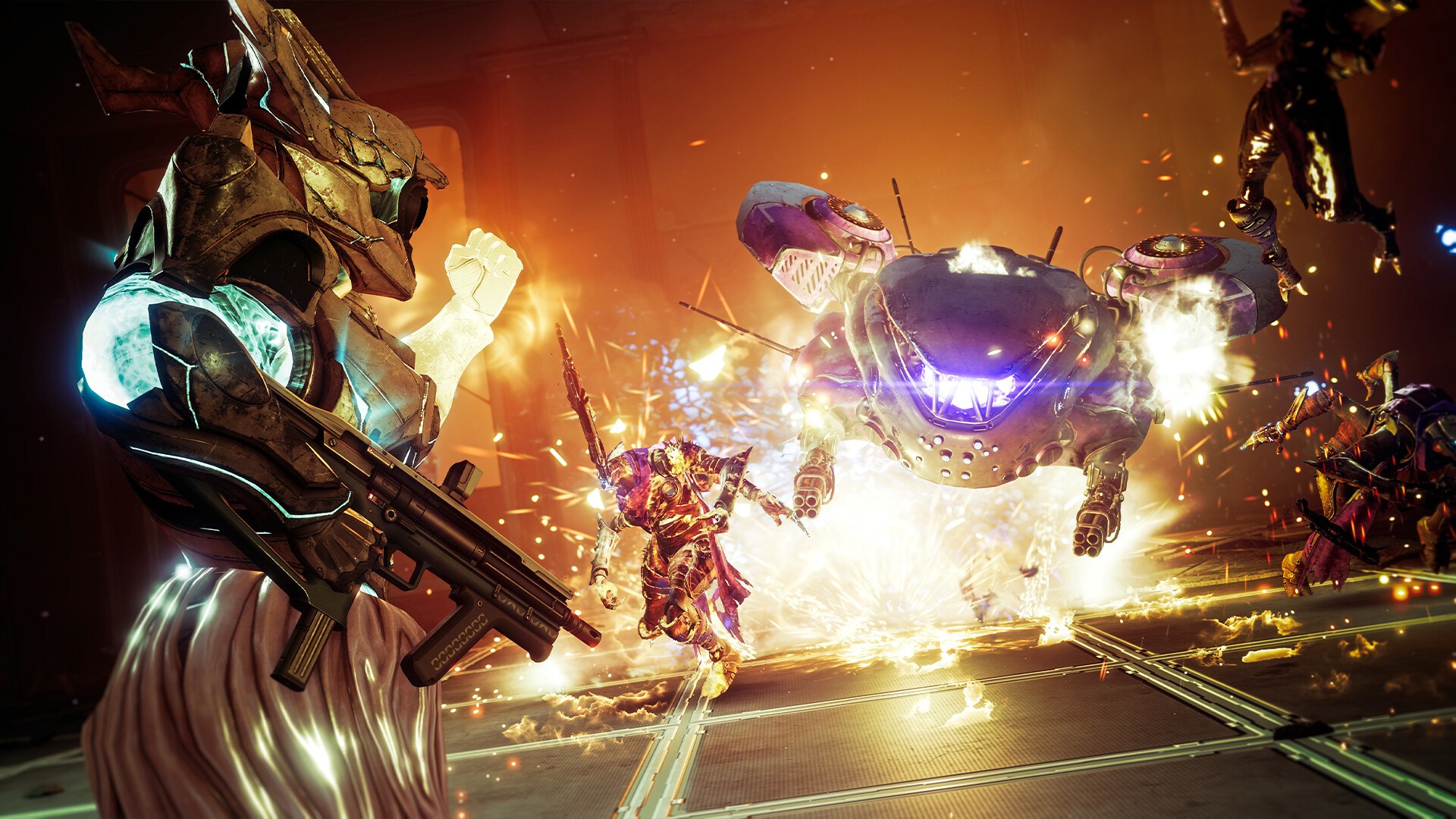
Live-service games are designed to be played for years. They often launch for free, make their money in the shop and keep their community happy with regular seasons. Destiny 2, for example, has been free to play since October 1, 2019, and Marvel Rivals launched as a free-to-play title in December 2024 and, according to NetEase, reached over 10 million players within 72 hours.
The problem: each of these games doesn’t just want to be played, it wants to be your main hobby. But an evening only has a few hours, and besides work, school, family and friends, there’s often only a small window left. Anyone who wants to seriously keep up with two or three such games in parallel quickly realizes that it’s hardly possible.
Battle pass, dailies and events
The battle pass is the heart of many live-service games. You buy it for a season and unlock rewards by playing. On top of that come daily and weekly tasks that grant extra experience points. Skip a day and you miss progress; miss a season and you often miss the rewards too.
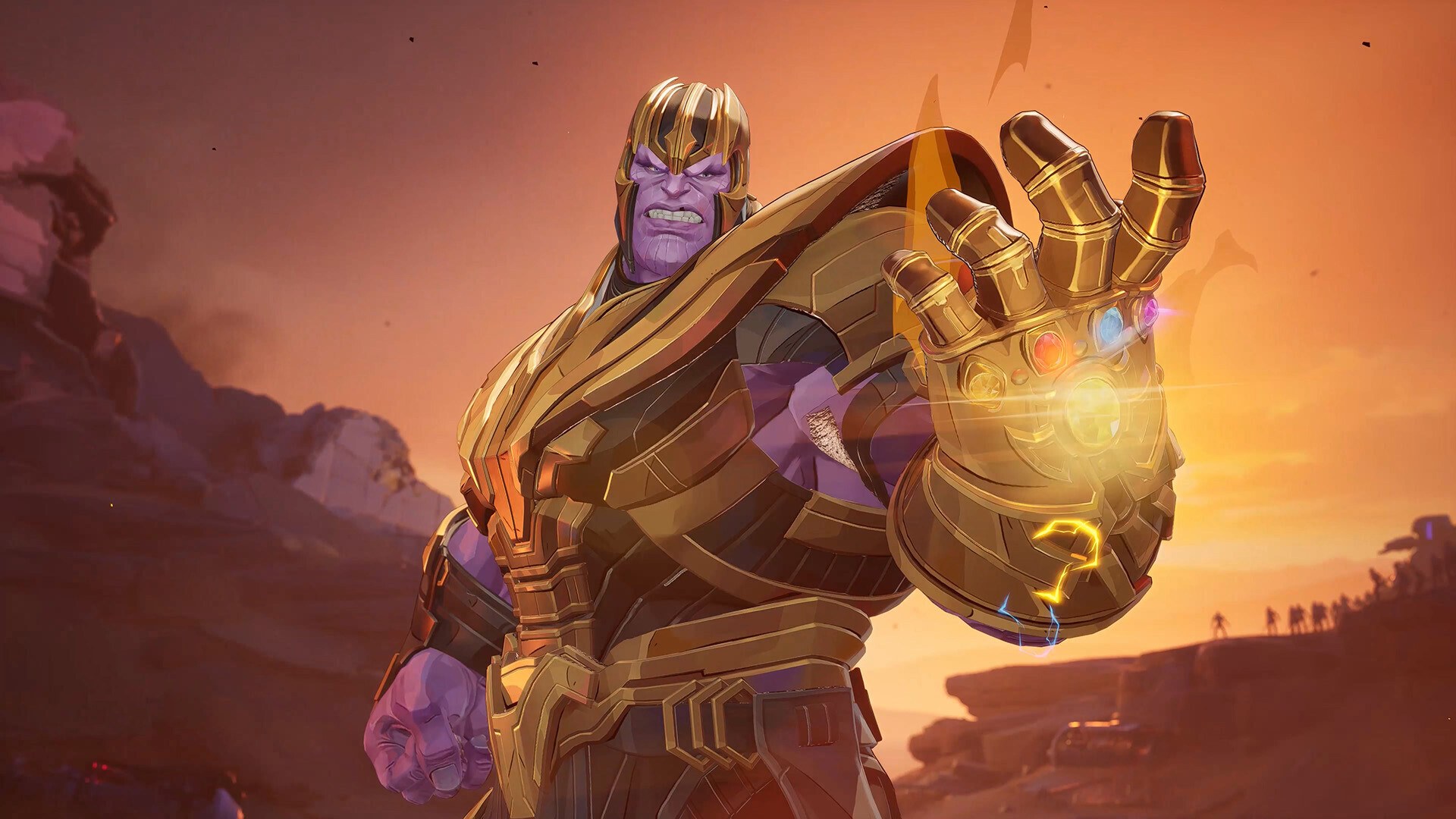
Marvel Rivals shows how fast the pace has become. According to NetEase , the first seasons were planned for around three months and split into two halves, with new heroes at the start of each half. The Call of Duty team also calls the first season of Black Ops 7 the „biggest live season ever“. For fans, that’s great; for everyone else, it becomes an obligation.
The fear of missing out
Limited-time events increase this pressure. A skin that’s only available for two weeks is a deliberate design decision. It ensures that you log in regularly. It works, but it often feels more like an appointment than leisure time. And if you play several such games, you end up with several calendars at once.
Even good live-service games fail
The battle for players‘ time doesn’t only hit weak games. Concord came out on August 23, 2024 for PS5 and PC. As early as September 3, developer Firewalk announced on the PlayStation Blog that it would take the game offline from September 6 and refund all buyers. In October 2024, Sony announced in an official update that it was shutting Concord down for good and closing Firewalk.
According to Ubisoft, XDefiant also had an „encouraging start“ and a loyal community. Nevertheless, in December 2024 the publisher officially announcedthat it had not managed to attract and retain enough players in the long term. The servers ran until June 2025, then it was over. So a solid game isn’t enough when players are already tied up in other live-service games.
What live-service games could do better
I don’t think live-service games are bad per se. Many offer great content for years for little or no money. But they should accept that they’re not the only game in their players‘ lives. A battle pass that doesn’t expire, events that return later, and progression that works even with two evenings a week would already help a lot.
Games you buy once and then enjoy at your own pace show that there’s another way. A good example is Palworld, which delivers updates without demanding daily chores. In the end, it’s not the game with the most tasks that wins, but the one you love coming back to. Live-service games have a problem, and the solution is more respect for players‘ time.
We explain why Call of Duty also suffers from this pace in the opinion piece Call of Duty finally needs a break.
This is an opinion piece and reflects the author’s personal view.